
Don Rose Biography Quotes 6 Report mistakes
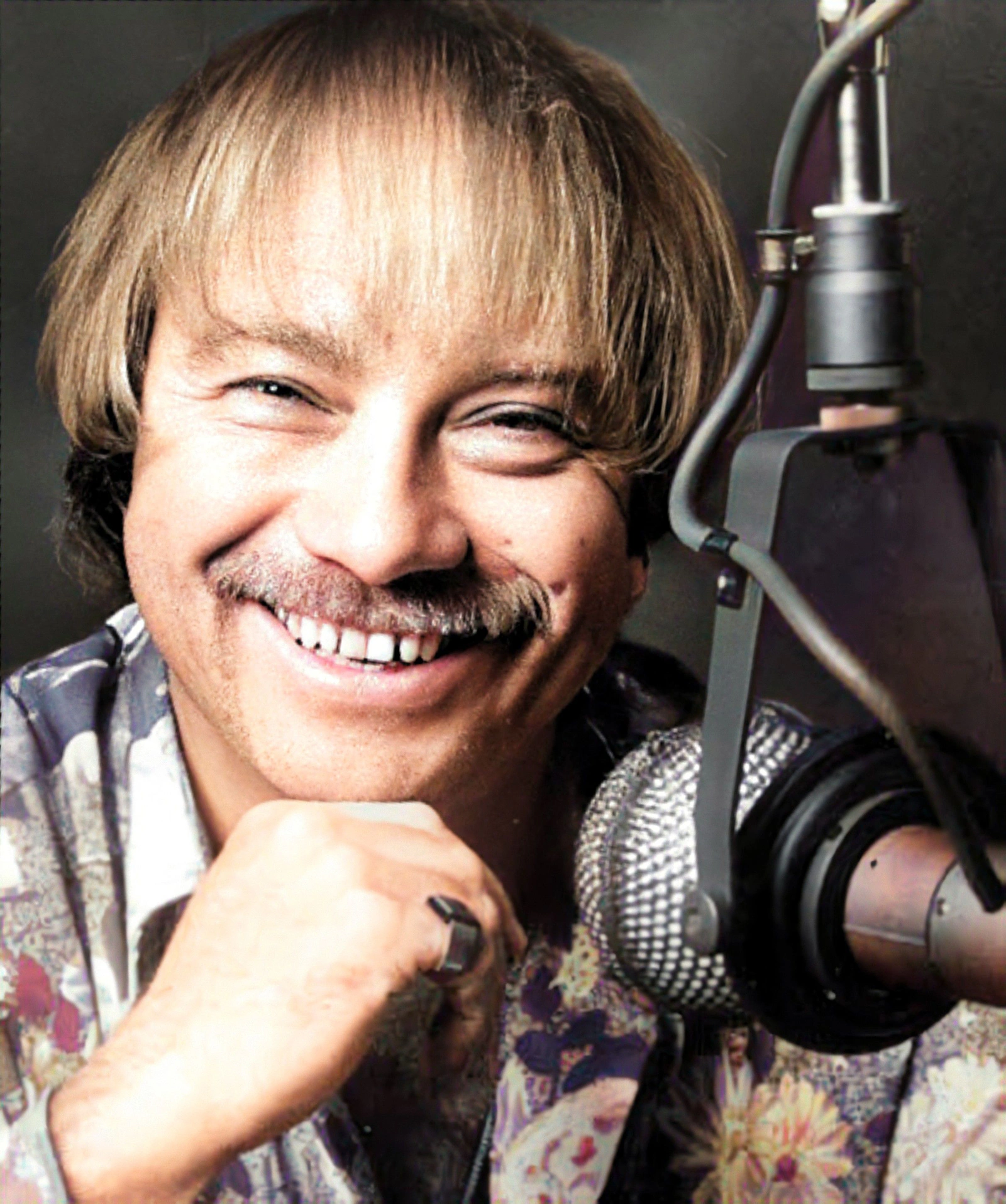
| 6 Quotes | |
| Born as | Donald Duane Rosenberg |
| Occup. | Radio host |
| From | USA |
| Born | July 5, 1934 USA |
| Died | March 30, 2005 USA |
| Aged | 70 years |
| Cite | |
Citation Formats
APA Style (7th ed.)
Don rose biography, facts and quotes. (2026, February 11). FixQuotes. https://fixquotes.com/authors/don-rose/
Chicago Style
"Don Rose biography, facts and quotes." FixQuotes. February 11, 2026. https://fixquotes.com/authors/don-rose/.
MLA Style (9th ed.)
"Don Rose biography, facts and quotes." FixQuotes, 11 Feb. 2026, https://fixquotes.com/authors/don-rose/. Accessed 13 Feb. 2026.
Early Life and Background
Donald Duane Rosenberg, later known on air as Don Rose, was born July 5, 1934, in the United States, coming of age in a mid-century nation where radio was both household furniture and a shared imagination. His youth unfolded against the hum of postwar prosperity, the anxiety of the Cold War, and the rapid commercialization of popular culture - conditions that trained a sharp ear to the way public mood could be steered by voices, slogans, and songs.He belonged to the first generation to experience radio not only as news and family drama but as youth identity, and he absorbed its lesson early: personality could be a product, but it was also a form of companionship. Even before his name became a brand, the inner template was set - a fascination with timing, crowd psychology, and the intimate power of speaking into a stranger's day, one listener at a time.
Education and Formative Influences
Public details of Rose's formal education are limited, but his real schooling was the era itself: the rise of Top 40 formatting, the tightening relationship between record labels and stations, and the shift from local, idiosyncratic programming toward research-driven playlists and ratings discipline. He learned to read the room at national scale, to treat a microphone as theater, and to convert the restless energy of youth culture into a narrative a station could sell - without fully surrendering the quick intelligence and contrarian edge that made listeners feel they were in on the joke.Career, Major Works, and Turning Points
Working under the name Don Rose, he became known as a radio host in the decades when AM and FM jockeys functioned as tastemakers, marketers, and confidants, often simultaneously. His career coincided with radio's transformation from personality-centered local entertainment to tightly managed corporate medium, and his on-air identity - part comedian, part commentator, part ringmaster - reflected that tension. The major turning points of his professional life were less about a single program than about adapting to structural change: consolidation, the shrinking autonomy of DJs, and a music business that increasingly treated airtime as leverage in a larger struggle over attention and revenue.Philosophy, Style, and Themes
Rose's style depended on velocity: quick setups, sharp reversals, and a knack for turning everyday bodily facts and political gossip into comic inevitability. The bawdy one-liner was not just shock for its own sake; it was a way of puncturing pretense and reminding listeners that behind every public posture there is a human animal. "The reason people sweat is so they won't catch fire when making love". Delivered in his voice, the line reads as a thesis of sorts - that embarrassment is a social glue, and that laughter can make intimacy out of anonymity, the essential problem of broadcasting.Beneath the jokes ran a harder streak: a host who watched industries manipulate audiences, then started describing the machinery aloud. "Radio is not a partner in the industry. I think that the music industry has continued to depend upon radio, but has ended up pandering to a medium that doesn't care". That critique reveals an inner posture both protective and disillusioned: he believed in radio's power, but mistrusted the corporate systems that flattened it into mere distribution. As the digital era arrived, his thinking turned pragmatic rather than nostalgic, noticing that technology changes habits faster than moral arguments can keep up. "Downloading is definitely on the rise, but not because it's free - that's probably third on the list - but because it's immediate and the selection is virtually unlimited". In Rose's worldview, the audience was not wicked or virtuous - just hungry for access, speed, and breadth, and radio had to reckon with that appetite or become background noise.
Legacy and Influence
Don Rose died March 30, 2005, but his enduring influence lives in the template he embodied: the radio host as a psychologically astute performer who can make a mass audience feel privately addressed while also diagnosing the industries that feed on attention. He stands for a transitional generation - close enough to radio's golden age of personality to practice it, and close enough to the digital rupture to name what was being lost and why. His legacy is not only the laughs, but the clarity: radio could be intimate art and commercial apparatus at once, and a skilled voice could make that contradiction audible.Our collection contains 6 quotes written by Don, under the main topics: Witty One-Liners - Music - Business - Internet.
Source / external links