
Ed McMahon Biography Quotes 10 Report mistakes
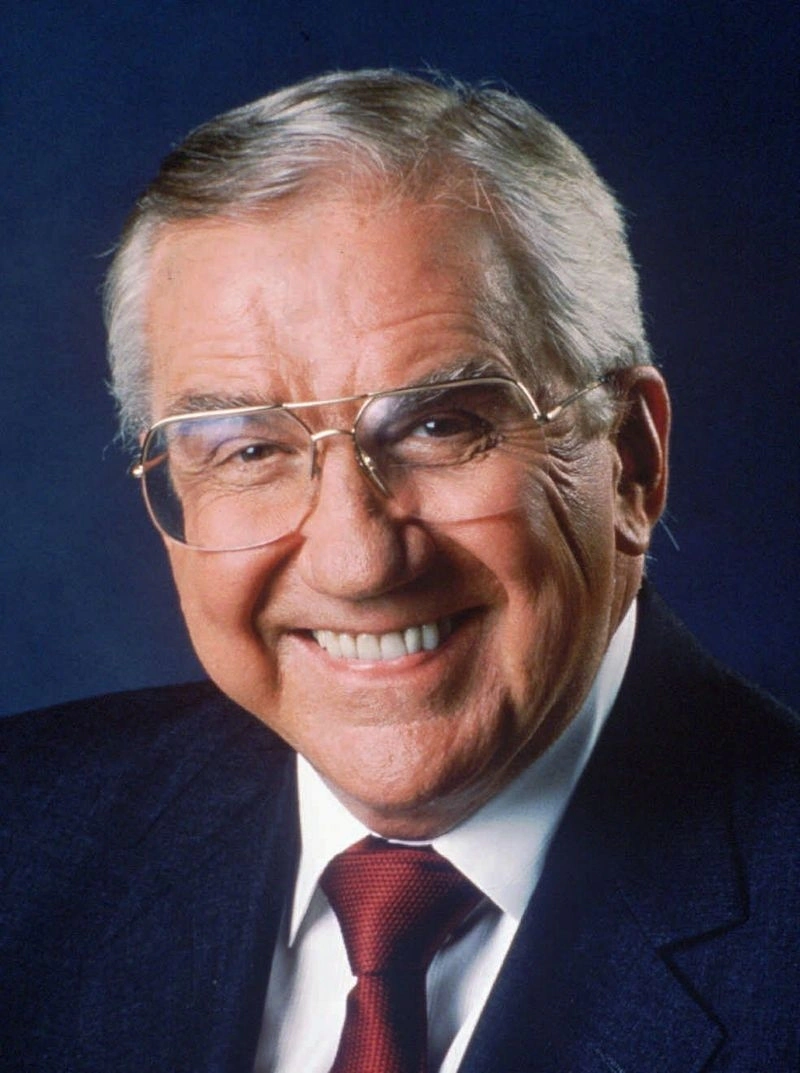
| 10 Quotes | |
| Born as | Edward Leo Peter McMahon Jr. |
| Occup. | Entertainer |
| From | USA |
| Born | March 6, 1923 Detroit, Michigan, U.S. |
| Died | June 23, 2009 Los Angeles, California, U.S. |
| Cause | Bone cancer |
| Aged | 86 years |
| Cite | |
Citation Formats
APA Style (7th ed.)
Ed mcmahon biography, facts and quotes. (2026, February 11). FixQuotes. https://fixquotes.com/authors/ed-mcmahon/
Chicago Style
"Ed McMahon biography, facts and quotes." FixQuotes. February 11, 2026. https://fixquotes.com/authors/ed-mcmahon/.
MLA Style (9th ed.)
"Ed McMahon biography, facts and quotes." FixQuotes, 11 Feb. 2026, https://fixquotes.com/authors/ed-mcmahon/. Accessed 26 Mar. 2026.
Early Life and Background
Edward Leo Peter McMahon Jr. was born on March 6, 1923, in Detroit, Michigan, into a Catholic, working-class household shaped by the rhythms of industrial America between the wars. His father, Edward Sr., had been a prizefighter, and the blend of toughness and showmanship in that past became part of the family legend McMahon carried forward. After his parents separated, his mother, Eleanor, raised him largely in Lowell, Massachusetts, where he learned early how quickly circumstances can change and how useful a steady, outwardly optimistic persona can be.As a boy he was captivated by performance and the new national intimacy of radio: voices that sounded like neighbors yet reached across continents. That tension between private life and public presence - the ordinary man turned familiar companion - would later define his entire career. Even before he was famous, he cultivated a professional friendliness that was less naivete than strategy: a way to be welcomed into American living rooms without threatening the star he stood beside.
Education and Formative Influences
McMahon attended Boston College and later the Catholic University of America in Washington, D.C., studying speech and drama and absorbing a mid-century belief in broadcasting as both craft and civic glue. World War II interrupted the period when he might have settled into theater; he served as a U.S. Marine Corps fighter pilot and then in the Marine Reserve, an experience that sharpened his discipline and his sense that confidence is often a performance under pressure. Returning to civilian life, he moved into announcing work with the polished diction and calm timing that television would soon reward.Career, Major Works, and Turning Points
He began in radio and local TV, then became nationally prominent through a long partnership with NBC: as the booming-voiced announcer and on-air foil on "The Tonight Show Starring Johnny Carson" (1962-1992), and as co-host of "TV's Bloopers & Practical Jokes" with Dick Clark (1982-1998). His name also became synonymous with sweepstakes television through his high-visibility role with Publishers Clearing House. The key turning point was his alignment with Carson, where McMahon mastered a rare supporting art - enhancing the lead without disappearing - and helped define late-night television's modern cadence: the quick intro, the perfectly timed laugh, the reassuring presence that made improvisation feel safe.Philosophy, Style, and Themes
McMahon's style was big-shouldered and buoyant: a ringmaster's voice paired with an unthreatening generosity. He treated show business less as personal confession than as nightly renewal, a philosophy that kept him nimble through decades of shifting formats and tastes. “There is no planning. On the night it is really great, it's euphoria and if it is not so great there is always tomorrow night. That was his attitude”. That line captures the psychology of a man who protected himself - and his colleagues - from the emotional whiplash of live entertainment by turning each performance into a fresh start.His most enduring theme was companionship: the art of being essential without claiming the spotlight. He understood that television at its most powerful creates ritual, and he spoke about the era when national attention synchronized around a single set. “There was a time... when people didn't go out of their house on Tuesday night at eight o'clock because Milton Berle was on”. McMahon belonged to the generation that built that ritual and then watched it fragment, and his steady warmth can be read as an attempt to preserve the feeling of a shared room even as America became more individualized.
That steadiness also shaped his famous bond with Carson, a relationship built on loyalty, discretion, and timing - the emotional labor of making a star feel unalone in front of millions. “Johnny once described our relationship by saying we were as close as two people could be without being married”. In that description lies McMahon's inner life: a man who thrived in proximity, who converted friendship into performance chemistry, and who accepted that the deepest influence sometimes comes from second position.
Legacy and Influence
McMahon died on June 23, 2009, in Los Angeles, leaving a blueprint for the modern sidekick and announcer: authoritative voice, quick wit, ego in check, and unwavering support for the host. He helped set the tone of late-night television for three decades and, through "Bloopers", made the mistake itself into family entertainment, normalizing imperfection on air. His influence persists in the countless on-camera partners who understand that the audience is not only watching a star - it is watching a relationship, and the person beside the star can quietly define the entire mood of the room.Our collection contains 10 quotes written by Ed, under the main topics: Witty One-Liners - Life - Live in the Moment - Honesty & Integrity - Embrace Change.
Other people related to Ed: Johnny Carson (Comedian), David Brenner (Comedian)
Source / external links