
Edith Wharton Biography Quotes 26 Report mistakes
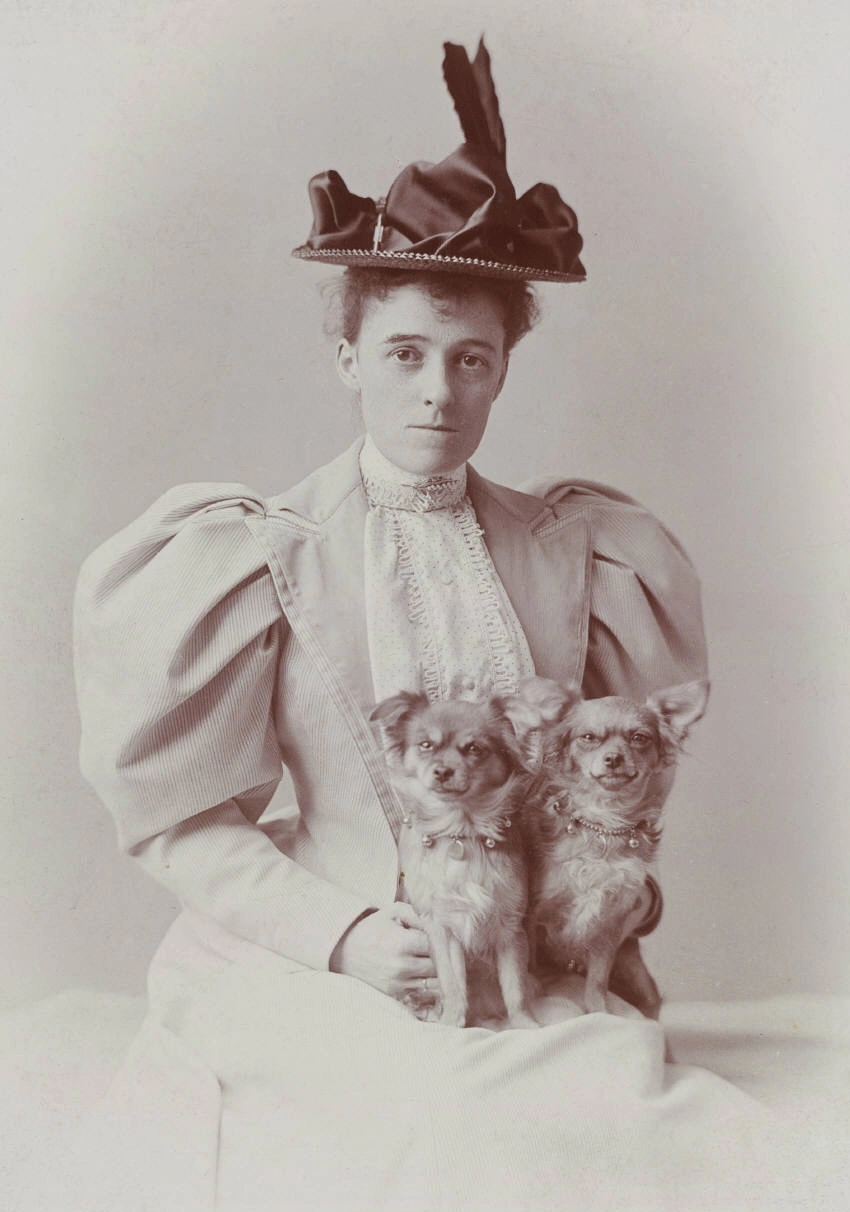
| 26 Quotes | |
| Born as | Edith Newbold Jones |
| Occup. | Author |
| From | USA |
| Born | January 24, 1862 New York City, New York, U.S. |
| Died | August 11, 1937 Saint-Brice-sous-Forêt, France |
| Aged | 75 years |
| Cite | |
Citation Formats
APA Style (7th ed.)
Edith wharton biography, facts and quotes. (2026, February 11). FixQuotes. https://fixquotes.com/authors/edith-wharton/
Chicago Style
"Edith Wharton biography, facts and quotes." FixQuotes. February 11, 2026. https://fixquotes.com/authors/edith-wharton/.
MLA Style (9th ed.)
"Edith Wharton biography, facts and quotes." FixQuotes, 11 Feb. 2026, https://fixquotes.com/authors/edith-wharton/. Accessed 18 Feb. 2026.
Early Life and Background
Edith Newbold Jones was born on January 24, 1862, in New York City, into the old-money world later distilled in her fiction as "Old New York". Her family moved in the highest social circles, with long European sojourns that made the Atlantic feel like a corridor rather than a boundary. The Civil War years formed the backdrop of her infancy, but the deeper shaping force was postwar Gilded Age consolidation - a society that prized pedigree, discretion, and performance, and that taught girls to treat intellect as a private vice.From the start she lived with a split consciousness: insider by birth, observer by temperament. In her memoir A Backward Glance she recalled how childhood reading, begun early and pursued voraciously, created a second, more spacious life behind the formal one. That doubleness - belonging and estrangement - became her psychological engine: she could render manners with surgical accuracy because she had learned them as a language, not a faith. The cost was a chronic pressure toward conformity that would later turn into her central subject.
Education and Formative Influences
Wharton was educated privately at home and during extended travels in France, Italy, and Germany, absorbing languages, art, and architecture more systematically than most American women of her class. She read widely in the European realist tradition and steeped herself in French culture, which offered a counter-model to New York's moral theater: more frank about desire, more serious about ideas, and more tolerant of female intellect. Early attempts at fiction and poetry were discouraged as unbecoming, yet the prohibition only sharpened her sense that art was not an ornament but a necessity - a claim she would defend through craft, criticism, and sheer productivity.Career, Major Works, and Turning Points
In 1885 she married Edward "Teddy" Wharton, a union that brought social stability but increasing emotional and intellectual isolation as his health deteriorated. She began publishing seriously in the 1890s, moving from stories to novels and criticism, and won authority with The House of Mirth (1905), a devastating study of Lily Bart and the market logic of marriage. After a 1907 move to France and a painful marital rupture, her work widened in range and severity: Ethan Frome (1911) compressed New England tragedy into a fable of frozen choices, and The Age of Innocence (1920) - written in the aftermath of World War I - looked back to 1870s New York with elegiac clarity, earning her the 1921 Pulitzer Prize. During the war she organized relief efforts in France and wrote reportage, proving that her patrician distance could become practical action; afterward, she remained in France, producing late novels, memoir, and essays until her death at Saint-Brice-sous-Foret on August 11, 1937.Philosophy, Style, and Themes
Wharton's governing belief was that intelligence is a moral faculty, not merely a decorative one, and her characters are tested by whether they can think clearly under social pressure. “The air of ideas is the only air worth breathing”. That line captures the private hunger that her milieu tried to starve: in her novels, the tragedy is rarely ignorance alone but the deliberate shrinking of thought to fit the room. For women especially, the penalty for full perception is loneliness - Lily Bart's talent for reading a scene becomes the very thing that prevents her from surrendering to it.Her style marries Henry James-like psychological precision to a cooler, more architectural economy, shaped by her eye for rooms, thresholds, and the invisible geometry of class. She insisted that art depends on perception rather than novelty: “True originality consists not in a new manner but in a new vision”. That "new vision" is her gift for making social custom feel like weather - omnipresent, breathable, and lethal - while also granting flashes of freedom to those who refuse comfort as a creed. The recurring choice in Wharton is between the feather bed of sanctioned life and the tightrope of honest seeing: “Life is always a tightrope or a feather bed. Give me the tightrope”. Even when her characters cannot choose the tightrope, the narrative voice does, preferring exactness over consolation.
Legacy and Influence
Edith Wharton endures as the preeminent anatomist of American upper-class culture at the turn of the 20th century and one of the first major U.S. novelists to fuse social realism with psychological depth and formal control. Her influence runs through later chroniclers of privilege and constraint, from mid-century social novelists to contemporary writers of class and gender, and her books remain templates for how to dramatize the quiet violence of "good taste". She also reshaped the possibilities for women in letters: not as a rebel by slogan, but as a professional artist who turned an inherited world into evidence, and who proved that the most glittering surfaces can be the most revealing.Our collection contains 26 quotes written by Edith, under the main topics: Witty One-Liners - Motivational - Wisdom - Truth - Art.
Other people related to Edith: Henry James (Writer), Diane Johnson (Novelist), Elizabeth Hardwick (Critic)
Edith Wharton Famous Works
- 1920 The Age of Innocence (Novel)
- 1917 Summer (Novella)
- 1913 The Custom of the Country (Novel)
- 1911 Ethan Frome (Novella)
- 1905 The House of Mirth (Novel)
Source / external links