
Edvard Munch Biography Quotes 30 Report mistakes
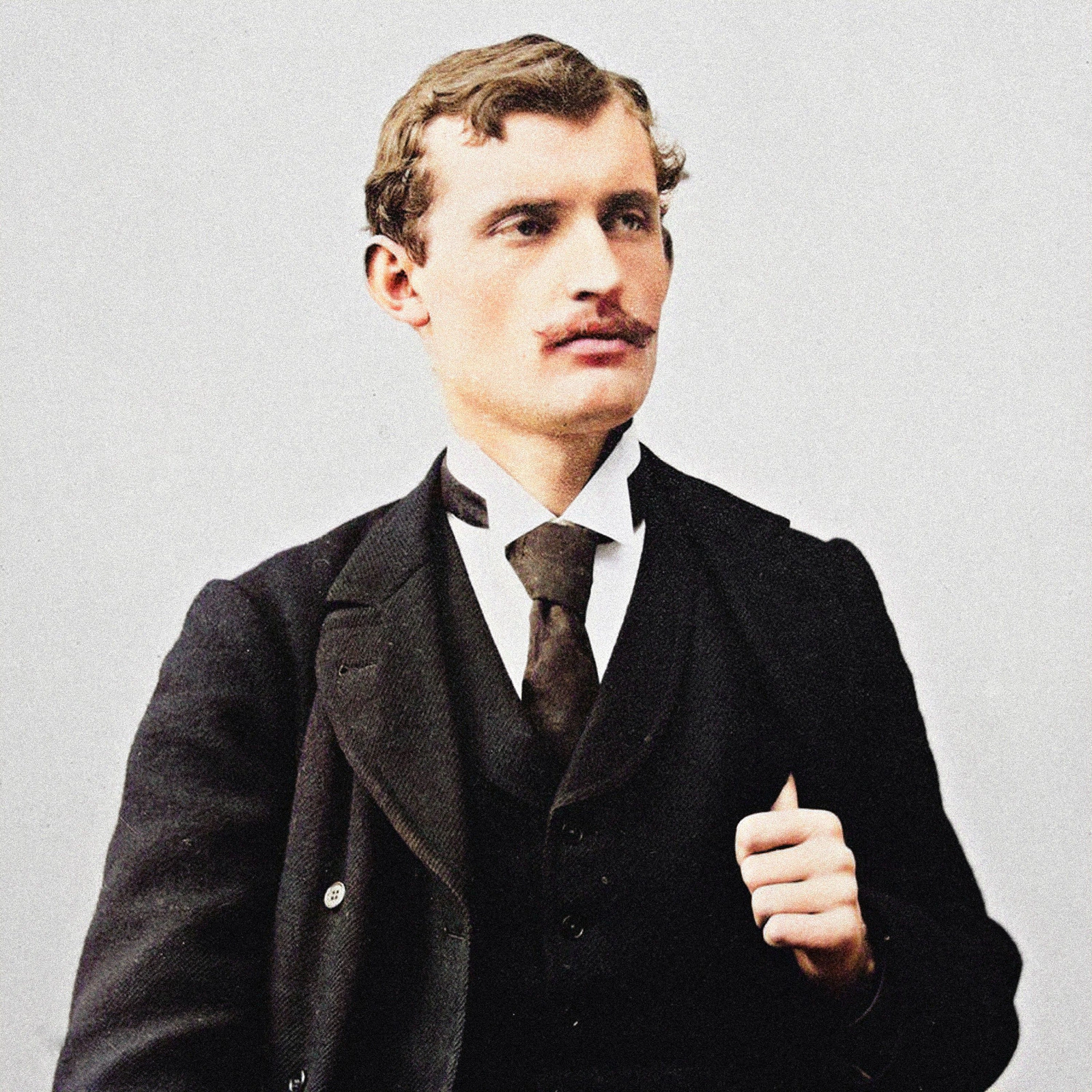
| 30 Quotes | |
| Occup. | Painter |
| From | Norway |
| Born | December 12, 1863 Ådalsbruk, Norway |
| Died | January 23, 1944 Oslo, Norway |
| Cause | Heart attack |
| Aged | 80 years |
| Cite | |
Citation Formats
APA Style (7th ed.)
Edvard munch biography, facts and quotes. (2026, February 11). FixQuotes. https://fixquotes.com/authors/edvard-munch/
Chicago Style
"Edvard Munch biography, facts and quotes." FixQuotes. February 11, 2026. https://fixquotes.com/authors/edvard-munch/.
MLA Style (9th ed.)
"Edvard Munch biography, facts and quotes." FixQuotes, 11 Feb. 2026, https://fixquotes.com/authors/edvard-munch/. Accessed 5 Mar. 2026.
Early Life and Background
Edvard Munch was born on 1863-12-12 in Loten, Norway, and grew up largely in Kristiania (now Oslo) as Norway moved from rural hardship into modern urban life under the long shadow of union-era politics and a stern Lutheran culture. His father, Christian Munch, was an army doctor whose religious intensity and bouts of melancholy shaped the household atmosphere; his mother, Laura Cathrine, brought warmth but died of tuberculosis when Edvard was a child. The family story quickly narrowed into a private mythology of loss.Illness and bereavement did not arrive as isolated events but as a repeating climate. His sister Sophie died of tuberculosis in 1877, a wound that never closed and later became one of his defining subjects. Another sister, Laura, struggled with mental illness. Munch himself was frequently sickly, kept indoors through Nordic winters, drawing as both distraction and training. Early on he learned that the body is fragile, the home is haunted, and memory can be as vivid - and as unreliable - as sensation.
Education and Formative Influences
In the early 1880s Munch trained at the Royal School of Art and Design in Kristiania and absorbed Naturalist technique while gravitating toward the citys bohemian circles around Hans Jaeger, where talk of free love, atheism, and modern psychology collided with the moralism of his upbringing. That tension - between inherited guilt and avant-garde candor - became his engine. A state travel grant brought him to Paris, where he studied contemporary painting and printmaking, encountered the aftershocks of Impressionism and Symbolism, and found in modern French art permission to bend form toward emotion rather than finish.Career, Major Works, and Turning Points
Munchs breakthrough came with grief rendered unsparingly: The Sick Child (begun 1885-86) revisited Sophies deathbed in harsh, scraped paint, shocking critics who expected polish and piety. In the 1890s he developed the interlocking cycle later called the Frieze of Life - images of love, jealousy, anxiety, and death that included Melancholy, Vampire, Madonna, Ashes, and, most famously, The Scream (1893), conceived during his Berlin years amid scandal and acclaim. He became a pioneering printmaker, using woodcut and lithography to amplify stark silhouettes and repeat motifs like wounds. After a public breakdown he entered a Copenhagen clinic in 1908-09, then returned to Norway to work more steadily, producing major commissions such as the Aula murals for the University of Oslo (completed 1916). He died at Ekely near Oslo on 1944-01-23, having lived through the rise of modernism and two world wars, his art often contested yet increasingly unavoidable.Philosophy, Style, and Themes
Munch approached painting as confession and diagnosis, not decoration. He insisted that his art began in the nervous system: “For as long as I can remember I have suffered from a deep feeling of anxiety which I have tried to express in my art”. That is less a slogan than a key to his methods: simplified figures, elastic perspective, and vibrating contours that translate dread into visual rhythm. His line is rarely descriptive; it is symptomatic, turning sky, fjord, and face into the same trembling substance. Even when he worked from observation, he often returned later to repaint from memory, intensifying the scene until it functioned like a recurring dream.The recurring subjects - sickrooms, erotic encounter, abandonment, and the halo of death around daily life - were not morbid affectations but attempts to give form to what would not leave him. He framed suffering as paradoxically enabling: “Without anxiety and illness I should have been like a ship without a rudder”. And he imagined death not as an ending but as transformation, a continuity between body and world: “From my rotting body, flowers shall grow and I am in them and that is eternity”. This psychology helps explain his oscillation between intimacy and distance: lovers lock together yet seem alone; faces become masks; nature mirrors human panic, as in The Scream, where the landscape does not witness terror so much as participate in it.
Legacy and Influence
Munch became a central precursor to Expressionism, giving later artists a blueprint for how private feeling can dictate public form - not by illustrating emotion, but by building an entire pictorial language out of it. His influence runs from German Expressionist painting and early modern print culture to 20th-century explorations of trauma, sexuality, and alienation, while The Scream has become one of the modern eras most recognizable images of existential fear. In Norway he shifted from scandalous bohemian to national artist, yet his enduring power lies in how unsparingly he made biography into symbol: a life of illness, love, guilt, and grief converted into images that still seem to pulse with the mind that made them.Our collection contains 30 quotes written by Edvard, under the main topics: Witty One-Liners - Wisdom - Art - Mortality - Nature.
Other people related to Edvard: Harald Sohlberg (Painter)
Source / external links