
Edward G. Bulwer-Lytton Biography Quotes 40 Report mistakes
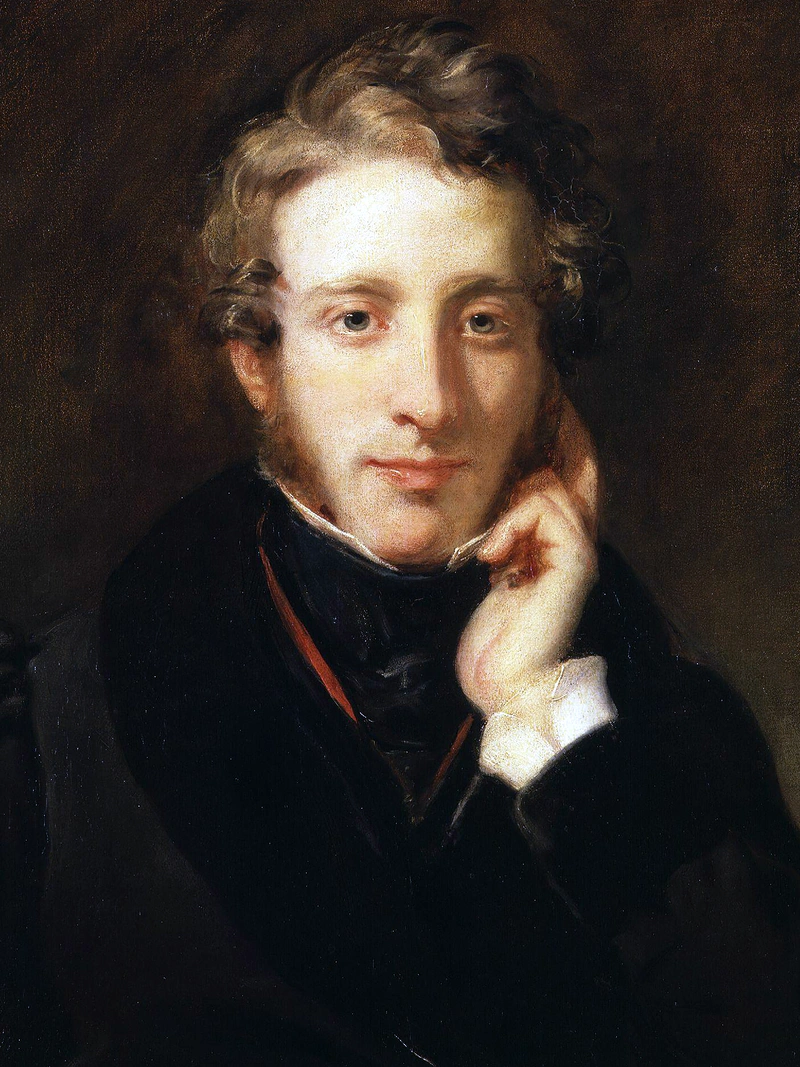
| 40 Quotes | |
| Known as | Lord Lytton |
| Occup. | Politician |
| From | England |
| Born | May 25, 1803 London, England |
| Died | January 18, 1873 |
| Aged | 69 years |
| Cite | |
Citation Formats
APA Style (7th ed.)
Edward g. bulwer-lytton biography, facts and quotes. (2026, February 11). FixQuotes. https://fixquotes.com/authors/edward-g-bulwer-lytton/
Chicago Style
"Edward G. Bulwer-Lytton biography, facts and quotes." FixQuotes. February 11, 2026. https://fixquotes.com/authors/edward-g-bulwer-lytton/.
MLA Style (9th ed.)
"Edward G. Bulwer-Lytton biography, facts and quotes." FixQuotes, 11 Feb. 2026, https://fixquotes.com/authors/edward-g-bulwer-lytton/. Accessed 26 Mar. 2026.
Early Life and Background
Edward George Earle Lytton Bulwer-Lytton was born on 25 May 1803 in London into a family poised between landed ambition and metropolitan culture. His father, General William Earle Bulwer, died when Edward was still a child, leaving him to be shaped by strong-willed women and a keen awareness of how inheritance, reputation, and display govern English life. The era was the long afterglow of the Napoleonic wars and the prelude to Reform: a Britain confident abroad yet anxious at home, with class boundaries under pressure and print culture exploding.He grew up with a sense of social theater that would become both his subject and his armor. His mother, Elizabeth Barbara Bulwer (nee Lytton), expected distinction and controlled access to money, a pressure that sharpened his hunger for recognition and his instinct for self-fashioning. The young Bulwer learned early that status could be performed as well as possessed - and that the penalties for missteps, especially romantic ones, were exacting. This tension between inner sensibility and outward strategy would later animate his novels and his parliamentary persona alike.
Education and Formative Influences
Bulwer-Lytton was educated at private schools and entered Trinity College, Cambridge, where he wrote early verse and cultivated the romantic, Byronic pose then in vogue among ambitious young men. Cambridge gave him classical training and a taste for rhetoric, but the deeper formation came from the period's literary and political ferment - Scott's historical imagination, the vogue for sensation and gothic effects, and the emerging argument that the nation should be governed not merely by tradition but by reform. His travels on the Continent and early publication success reinforced a conviction that public life and public letters were not rival callings but parallel stages on which a modern Englishman could seek power.Career, Major Works, and Turning Points
He broke through as a novelist in the 1820s and 1830s with smart, socially observant fiction such as Pelham (1828) and Eugene Aram (1832), then widened his range with historical romance in The Last Days of Pompeii (1834) and later the occult-tinged Zanoni (1842). Entering Parliament in 1831, he became a recognizable figure in the age of the 1832 Reform Act, shifting between Whig and Conservative alignments as his idea of "reform" hardened into a belief in ordered improvement rather than upheaval. His personal life was turbulent: his marriage to Rosina Wheeler in 1827 collapsed into a bitter public conflict that damaged both reputations and exposed the era's cruel mechanisms for silencing inconvenient women. Late honors followed - he inherited the Knebworth estate and the Lytton name, and he served as Secretary of State for the Colonies (1858-59), a post that placed him amid imperial questions as Britain absorbed India after the 1857 uprising. His writing continued across genres, including the satire The Caxtons (1849) and the political novel My Novel (1853), and he remained a prolific, consciously "public" author until his death on 18 January 1873.Philosophy, Style, and Themes
Bulwer-Lytton's mind was built for the friction between aspiration and exposure: he wrote about genius and ambition, but also about the humiliations that attend social climbing and the moral costs of performance. His aphoristic bent - the habit of turning lived conflict into quotable law - was not mere ornament but a psychological defense, a way to domesticate the chaos of feeling and scandal into controlled sentence-music. When he insists, “There is nothing so agonizing to the fine skin of vanity as the application of a rough truth”. , he is diagnosing himself as much as society: a man acutely sensitive to judgment, disciplined enough to turn wounds into wit, and skilled at making self-critique sound like universal insight.His style fused melodrama, satire, and a politician's knack for framing, often aiming to reconcile moral seriousness with popular appeal. He distrusted passive scholarship and preferred knowledge that hardened into action, a posture consistent with an author who also wanted votes and office: “Master books, but do not let them master you. Read to live, not live to read”. Beneath the swagger lay a strain of elegiac self-awareness, the sense that feeling itself can be exhausted by experience and conflict; his work returns repeatedly to love cooled by disappointment, idealism blunted by worldly necessity, and the terror of becoming merely tactical. “I cannot love as I have loved, And yet I know not why; It is the one great woe of life To feel all feeling die”. reads like the private cost of a life spent in public roles.
Legacy and Influence
Bulwer-Lytton endures as a Victorian maker of sentences and sensations: a novelist who helped define the popular historical romance, a political writer who translated parliamentary anxieties into narrative, and a public man who demonstrated how literary celebrity could feed - and complicate - political authority. His influence runs through later genre fiction (historical spectacle, occult modernity, the society novel) and through the culture of quotability he helped perfect, even as his reputation has been periodically caricatured by posterity. What remains definitive is the breadth of his ambition: he treated literature and politics as twin instruments for shaping opinion, and his best work still reveals the era's nervous bargain between sincerity and strategy, reform and order, feeling and self-command.Our collection contains 40 quotes written by Edward, under the main topics: Motivational - Ethics & Morality - Truth - Wisdom - Art.