
Elbert Hubbard Biography Quotes 78 Report mistakes
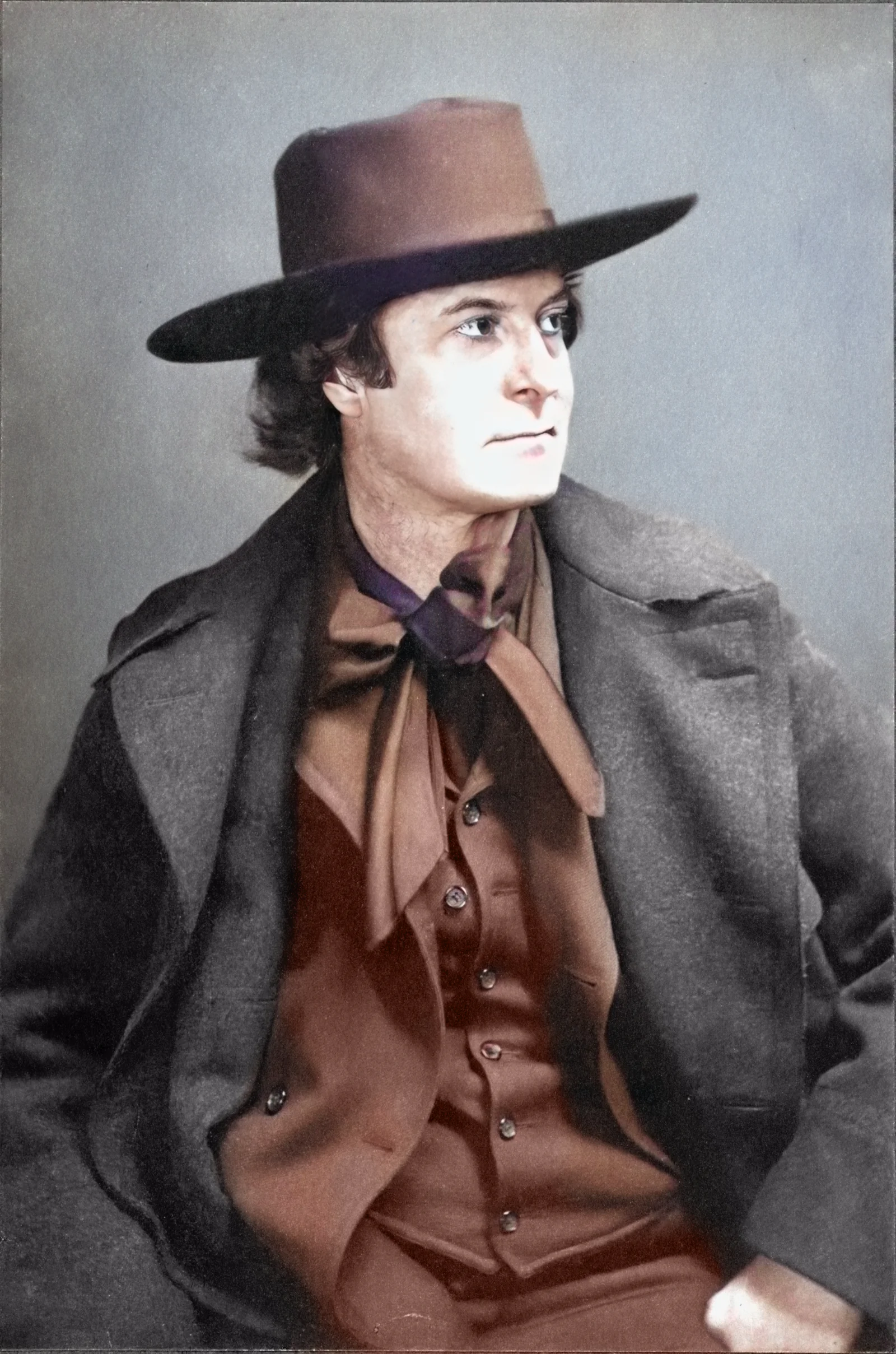
| 78 Quotes | |
| Born as | Elbert Green Hubbard |
| Occup. | Writer |
| From | USA |
| Born | June 19, 1859 Bloomington, Illinois, U.S. |
| Died | May 7, 1915 RMS Lusitania, Atlantic Ocean |
| Aged | 55 years |
| Cite | |
Citation Formats
APA Style (7th ed.)
Elbert hubbard biography, facts and quotes. (2026, February 1). FixQuotes. https://fixquotes.com/authors/elbert-hubbard/
Chicago Style
"Elbert Hubbard biography, facts and quotes." FixQuotes. February 1, 2026. https://fixquotes.com/authors/elbert-hubbard/.
MLA Style (9th ed.)
"Elbert Hubbard biography, facts and quotes." FixQuotes, 1 Feb. 2026, https://fixquotes.com/authors/elbert-hubbard/. Accessed 24 Mar. 2026.
Early Life and Background
Elbert Green Hubbard was born on June 19, 1859, in Bloomington, Illinois, into a middle-class Midwestern world being reshaped by railroads, mass manufacturing, and the moral earnestness of post-Civil War America. He grew up as the country moved from small-town mercantile life toward corporate scale, and he absorbed both the promise and the unease of that transition: the new authority of business, the rise of advertising, and the hunger for self-making that fed the era's lecturers and uplift literature.Early on he showed the temperament of a salesman-philosopher - observant, impatient with pieties, and drawn to the performative side of ideas. Before he became a famous writer, he learned how reputations were manufactured and how language could be used as a tool: to persuade, to sell, to provoke, and to brand a personality. That apprenticeship in everyday commerce would later underpin his public persona as an artist-craftsman of aphorism, a builder of communities, and a critic of conventional respectability.
Education and Formative Influences
Hubbard attended local schools and spent time at Illinois Industrial University (later the University of Illinois) without settling into a purely academic path. His education was stitched together from work, reading, and the late-19th-century American culture of self-improvement - from Emersonian individualism to the example of William Morris and the English Arts and Crafts movement. He was especially influenced by the idea that beauty and moral purpose could be reintroduced into industrial life through craftsmanship, good design, and the dignity of work, an idea he would later translate into a distinctly American mix of entrepreneurship, publishing, and sermon-like prose.Career, Major Works, and Turning Points
After working in the soap business (including for the Larkin Company of Buffalo), Hubbard turned his commercial skills toward print and lecture work, launching the periodical The Philistine in 1895 and then creating the Roycroft community at East Aurora, New York, in 1895-1896 - a press, bindery, furniture shop, and cultural salon that made books as objects and marketed a way of life. His breakout essay, "A Message to Garcia" (1899), became one of the most widely circulated pieces of American motivational writing, praised by business leaders and the military as a parable of initiative and uncomplaining execution. Over the next decade and a half he produced a torrent of essays, editorials, and biographies (including writings on figures such as Emerson), toured as a lecturer, and built Roycroft into a nationally recognized brand. He died on May 7, 1915, when the RMS Lusitania was sunk by a German U-boat; he and his second wife, Alice Moore Hubbard, were among those lost, and the manner of his death sealed his public image in the heroic-romantic key that he had often cultivated in print.Philosophy, Style, and Themes
Hubbard's philosophy fused Victorian moralism, American individualism, and an advertiser's sense of impact. He preached work as character and treated initiative as a near-spiritual force, insisting that the ordinary day was the true arena of greatness: “The best preparation for good work tomorrow is to do good work today”. That maxim was not only self-help rhetoric; it was the operational logic of Roycroft, where craft discipline and deadlines turned aesthetics into a business. In Hubbard's inner life, this insistence hints at both faith and anxiety - a fear that talent without daily labor curdles into mere talk, and that a man is measured not by intention but by output.His style favored sharpened sentences, parables, and quotable judgments, designed to survive in newspapers, speeches, and boardrooms. He was fascinated by the gap between public virtue and private reality, warning that “Many a man's reputation would not know his character if they met on the street”. The line doubles as confession and diagnosis: he understood persona as a kind of manufactured product because he had manufactured his own. Yet he also admired the rare individual who transcended systems, writing, “One machine can do the work of fifty ordinary men. No machine can do the work of one extraordinary man”. In an industrial age that threatened to standardize the soul, Hubbard offered a counter-myth: the exceptional worker as both moral agent and economic engine.
Legacy and Influence
Hubbard endures as a central figure in American aphoristic prose and early motivational literature, and as a key popularizer of Arts and Crafts ideals through the Roycroft movement. "A Message to Garcia" remains a cultural artifact of the Progressive Era's obsession with efficiency, duty, and initiative, even as its message is debated for encouraging obedience over critique. Roycroft's books and furniture helped define American craft style, and his blend of entrepreneurship, publishing, and personality branding anticipated modern creator-economy models. At his best he captured a national longing to reconcile industrial power with individual meaning; at his most problematic he turned complexity into slogans - but even that simplification is part of his historical importance, revealing how Americans learned to talk to themselves about work, character, and greatness.Our collection contains 78 quotes written by Elbert, under the main topics: Witty One-Liners - Motivational - Ethics & Morality - Wisdom - Art.
Elbert Hubbard Famous Works
- 1914 The Roycroft Dictionary Concocted by Ali Baba and the Bunch on Rainy Days (Book)
- 1899 The Rubaiyat of Omar Khayyam (Poetry Collection)
- 1899 A Message to Garcia (Essay)
- 1895 The Philistine (Periodical)
- 1894 Little Journeys to the Homes of the Great (Book)
Source / external links