
Elia Kazan Biography Quotes 55 Report mistakes
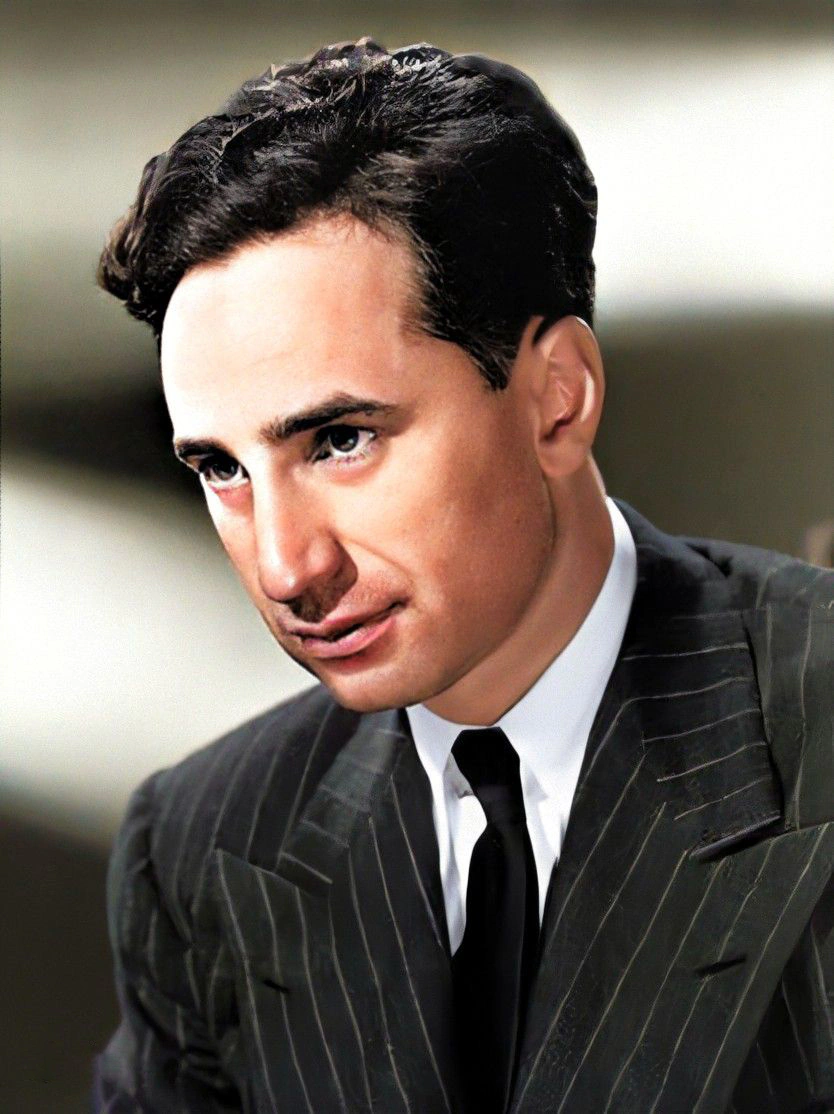
Attr: See page for author
| 55 Quotes | |
| Born as | Elia Kazanjoglou |
| Occup. | Director |
| From | USA |
| Born | September 7, 1909 Constantinople, Ottoman Empire (now Istanbul, Turkey) |
| Died | September 28, 2003 New York City, New York, USA |
| Cause | Natural causes |
| Aged | 94 years |
| Cite | |
Citation Formats
APA Style (7th ed.)
Elia kazan biography, facts and quotes. (2026, February 11). FixQuotes. https://fixquotes.com/authors/elia-kazan/
Chicago Style
"Elia Kazan biography, facts and quotes." FixQuotes. February 11, 2026. https://fixquotes.com/authors/elia-kazan/.
MLA Style (9th ed.)
"Elia Kazan biography, facts and quotes." FixQuotes, 11 Feb. 2026, https://fixquotes.com/authors/elia-kazan/. Accessed 6 Mar. 2026.
Early Life and Background
Elia Kazan was born Elia Kazanjoglou on September 7, 1909, into a Greek Anatolian family whose language, faith, and trade were marked by the pressures that would soon convulse the collapsing Ottoman world. His parents were from Kayseri in central Anatolia, part of a Greek Orthodox minority living with the constant awareness that belonging could be revoked overnight. That early apprenticeship in caution and reading rooms for hidden meanings - what people say, what they dare not say, who holds power - became a lifelong instrument in his art.The family immigrated to the United States when he was a child, and he grew up in New York in the abrasive, opportunity-soaked atmosphere of immigrant America. He encountered the contradictions that would define him: gratitude toward the country that allowed reinvention, and anger at its hypocrisies; loyalty to family and a fierce need to break free; a taste for fraternity and a private streak of self-protection. Those tensions later supplied his most vivid subjects - men and women trying to keep their dignity while institutions, crowds, or secret histories close in.
Education and Formative Influences
Kazan attended Williams College and then Yale School of Drama, but his true education came from the New York theater culture of the Depression: the Group Theatre, with its left-wing energy, psychological realism, and faith that performance could diagnose society. Working among actors and directors obsessed with truthfulness, he absorbed Stanislavskian discipline and the era's political arguments at close range. The Group's idealism, factional fights, and eventual unraveling taught him that communities can be both nourishing and coercive - a lesson that later reappeared as drama about belonging, betrayal, and the cost of conscience.Career, Major Works, and Turning Points
After establishing himself as a major Broadway director in the 1940s, Kazan became one of the defining figures of postwar American stage and screen realism, shaping performances that felt less "acted" than lived. He directed the premieres of key works including Tennessee Williams' "A Streetcar Named Desire" (1947) and Arthur Miller's "Death of a Salesman" (1949), then carried that intensity into Hollywood with films such as "Gentleman's Agreement" (1947), "Pinky" (1949), "A Streetcar Named Desire" (1951), "On the Waterfront" (1954), "East of Eden" (1955), "Baby Doll" (1956), "A Face in the Crowd" (1957), "Wild River" (1960), and the epic immigrant chronicle "America America" (1963). His central turning point came in 1952 when, under pressure from the House Un-American Activities Committee, he testified and named former associates from his earlier Communist Party involvement - a choice he defended as moral clarity and personal necessity, and which others viewed as a grave betrayal. The decision shadowed him permanently, coloring how audiences read his later films and how theater people measured his achievements against his actions.Philosophy, Style, and Themes
Kazan thought in terms of pressure - psychological pressure inside a person, and social pressure outside them - and he built his staging and camera around the moment those forces collide. His work pushed American performance toward emotional exposure: actors in his films and productions do not merely deliver lines, they negotiate shame, hunger, and longing in real time. He was attuned to how easily a performer can be destroyed by ridicule or neglect, and he approached acting as delicate excavation, not display. That sensitivity was inseparable from his own temperament; as he admitted, “I was always a self-conscious person”. Self-consciousness, in his hands, became an artistic method: characters listen for the verdict of others, then attempt to outmaneuver it.His subjects recur with near-obsessive force - the informer and the accused, the outsider who wants in, the idealist turned tactician, the sexual and social rebel who refuses the script assigned to them. Kazan insisted that his choices were not neutral, framing his oeuvre as a public autobiography: “The motion pictures I have made and the plays I have chosen to direct represent my convictions”. Yet those convictions were rarely serene. His films often dramatize the temptation to purify oneself by exposing others, and the equal temptation to hide. The HUAC era sharpened his belief that secrecy breeds fevered politics, and his rationalist streak surfaced in the claim, “Whatever hysteria exists is inflamed by mystery, suspicion and secrecy. Hard and exact facts will cool it”. The tragic irony is that many viewers felt the "facts" he offered bought personal absolution at the price of communal ruin - which is why his realism still feels morally hot, not safely historical.
Legacy and Influence
Kazan's influence is structural, not merely stylistic: he helped define modern American directing as the art of extracting behavior from actors and building scenes around psychological need rather than theatrical pose. He launched or intensified the screen personas of Marlon Brando, James Dean, Eva Marie Saint, and others, and his collaboration with the Method-adjacent acting revolution reshaped film acting globally. At the same time, his political testimony became a permanent annotation to his name, resurfacing sharply when he received an honorary Academy Award in 1999 and the room split between applause and protest. The endurance of his reputation lies in that unresolved duality: a master of truth-telling illusion whose own life forced audiences to ask what truth costs, who pays it, and whether art can ever be separated from the moral weather in which it was made.Our collection contains 55 quotes written by Elia, under the main topics: Witty One-Liners - Ethics & Morality - Truth - Art - Writing.
Other people related to Elia: Eli Wallach (Actor), David Amram (Composer), Ethel Waters (Musician), Dean Stockwell (Actor), Walter Matthau (Actor), Clifford Odets (Playwright), Frances Farmer (Actress), Rod Steiger (Actor), Dorothy McGuire (Actress), Budd Schulberg (Writer)
Source / external links