
Ellen Glasgow Biography Quotes 20 Report mistakes
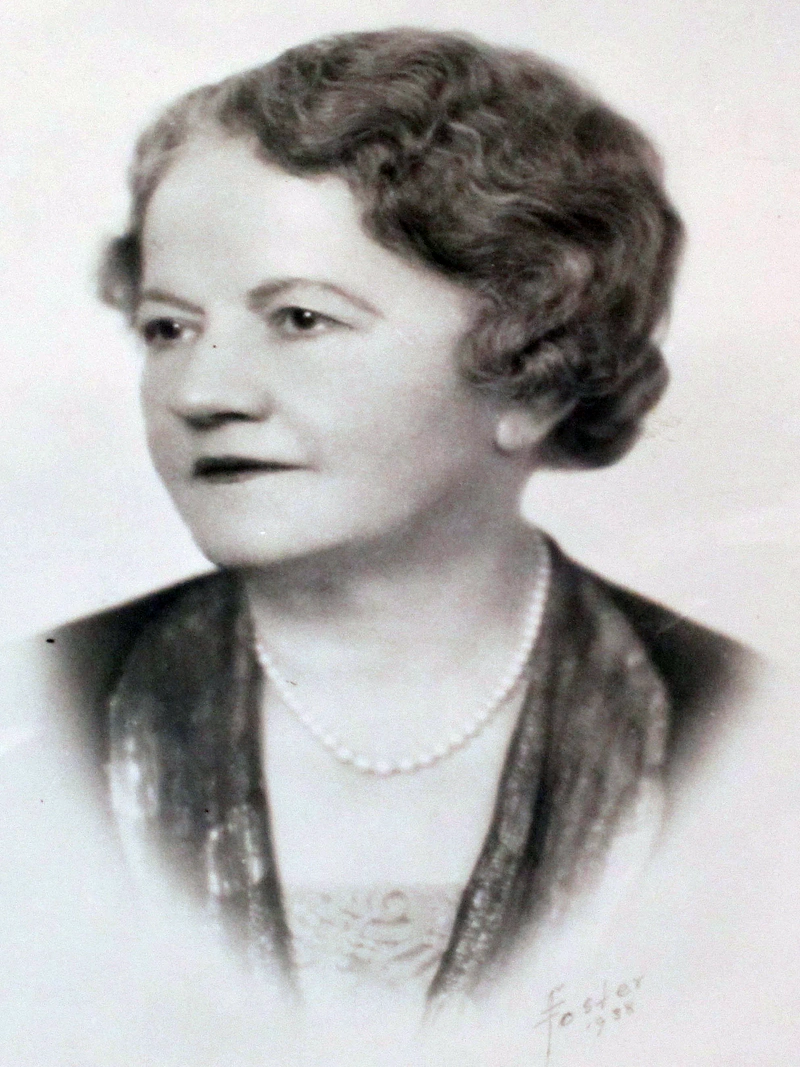
Attr: Notes from Under Grounds
| 20 Quotes | |
| Born as | Ellen Anderson Gholson Glasgow |
| Occup. | Novelist |
| From | USA |
| Born | March 22, 1874 Richmond, Virginia, USA |
| Died | November 21, 1945 Richmond, Virginia, USA |
| Aged | 71 years |
| Cite | |
Citation Formats
APA Style (7th ed.)
Ellen glasgow biography, facts and quotes. (2026, February 11). FixQuotes. https://fixquotes.com/authors/ellen-glasgow/
Chicago Style
"Ellen Glasgow biography, facts and quotes." FixQuotes. February 11, 2026. https://fixquotes.com/authors/ellen-glasgow/.
MLA Style (9th ed.)
"Ellen Glasgow biography, facts and quotes." FixQuotes, 11 Feb. 2026, https://fixquotes.com/authors/ellen-glasgow/. Accessed 28 Mar. 2026.
Early Life and Background
Ellen Anderson Gholson Glasgow was born on March 22, 1874, in Richmond, Virginia, into an old Virginia family whose social memory stretched back to the early republic. The city of her childhood was still living in the long aftershock of the Civil War and Reconstruction - proud, impoverished, and anxious about its place in the industrializing nation. The Glasgow household embodied that tension: inherited gentility and fierce ideas about "breeding" on one side, and the daily pressures of modern life on the other. From the start she watched the South revise itself in real time, and that became her lifelong subject.Fragile health and intermittent schooling kept her close to home, where she absorbed family talk, local politics, and the moral theater of churchgoing Richmond. Domestic life offered both shelter and constraint, especially for a girl with a sharp eye for contradiction. She learned early how reputation policed women and how endurance - quiet, stubborn, practical - often mattered more than romantic declarations. Those observations hardened into an interior independence that would later make her an unsentimental chronicler of women, class, and social change.
Education and Formative Influences
Largely self-educated, Glasgow built her own curriculum from wide reading in English and European literature, modern thought, and the novelists of social realism; she also studied the textures of her own region the way a naturalist studies a landscape. The discipline of teaching herself sharpened her skepticism about received opinion and trained her to distrust easy rhetoric while valuing exact perception. Living among families who spoke of tradition as destiny, she became fascinated by how character is formed - by money, inheritance, gender expectations, and the private bargains people make to survive.Career, Major Works, and Turning Points
Glasgow published her first novel at the end of the nineteenth century and steadily produced fiction that mapped Virginia across the decades from plantation mythology to modern commerce, culminating in major works such as "Virginia" (1913), "Barren Ground" (1925), and "Vein of Iron" (1935). Her turning point was a deliberate shift away from nostalgic "local color" toward a tougher realism: she wrote the South not as legend but as a living society where old ideals collided with new appetites. In "Barren Ground" especially, she refashioned the familiar story of a woman "ruined" by love into a narrative of remade selfhood and economic competence, while later books widened her canvas to generational change, industrial ambition, and the costs of respectability. Alongside the novels she produced essays and, late in life, a memoir, "The Woman Within" (published posthumously), clarifying the private temperament behind her public authority.Philosophy, Style, and Themes
Glasgow was a moral realist with a reformer's eye and a comedian's impatience for self-deception. Her best characters are not rescued by grand passion; they are tested by time, work, and disappointment, and they endure by learning how to stand inside contradiction. That temperament is captured in her warning that “All change is not growth, as all movement is not forward”. In her world, modernity does not automatically liberate - it can merely rearrange the same old hierarchies - and the hard question is how a person converts motion into meaning.Her prose favored clarity, controlled irony, and close attention to the social machinery that grinds down the individual - inheritance law, gossip, marriage markets, the worship of "family". Yet she never wrote as a detached sociologist: she understood, from within, the emotional economies that keep people compliant. She liked aphorisms because they expose the hidden bargain in ordinary choices, as when she remarks, “The only difference between a rut and a grave are the dimensions”. The line is mordant, but it also reveals her psychology - a fear of spiritual stagnation, and an insistence that comfort can be a slow death. Her fiction returns again and again to women negotiating the narrow passages between duty and desire; she could be amused by masculine certainty, observing, “Women are one of the Almighty's enigmas to prove to men that He knows more than they do”. Beneath the wit lies an ethic: she refused to sentimentalize either sex, and she treated survival as a form of intelligence.
Legacy and Influence
When Glasgow died on November 21, 1945, she had helped reframe American understanding of the modern South - not as a stage set of lost cavaliers, but as a society wrestling with capitalism, memory, and the hard arithmetic of gender. Her reputation has endured because she joined regional specificity to national themes: the rise of the self-made ethos, the collapse of inherited authority, and the cost of emotional and economic dependence. Later Southern writers and feminist critics have returned to her as a bridge figure - a woman who claimed the serious social novel for Virginia, advanced a tougher realism for the twentieth century, and left behind portraits of resilience that still feel contemporary in their refusal to flatter either the past or the reader.Our collection contains 20 quotes written by Ellen, under the main topics: Witty One-Liners - Motivational - Ethics & Morality - Wisdom - Mortality.
Other people related to Ellen: James Branch Cabell (Novelist)
Ellen Glasgow Famous Works
- 1941 In This Our Life (Novel)
- 1935 Vein of Iron (Novel)
- 1925 Barren Ground (Novel)
- 1902 The Battle-Ground (Novel)
- 1900 The Voice of the People (Novel)