
Elsa Schiaparelli Biography Quotes 5 Report mistakes
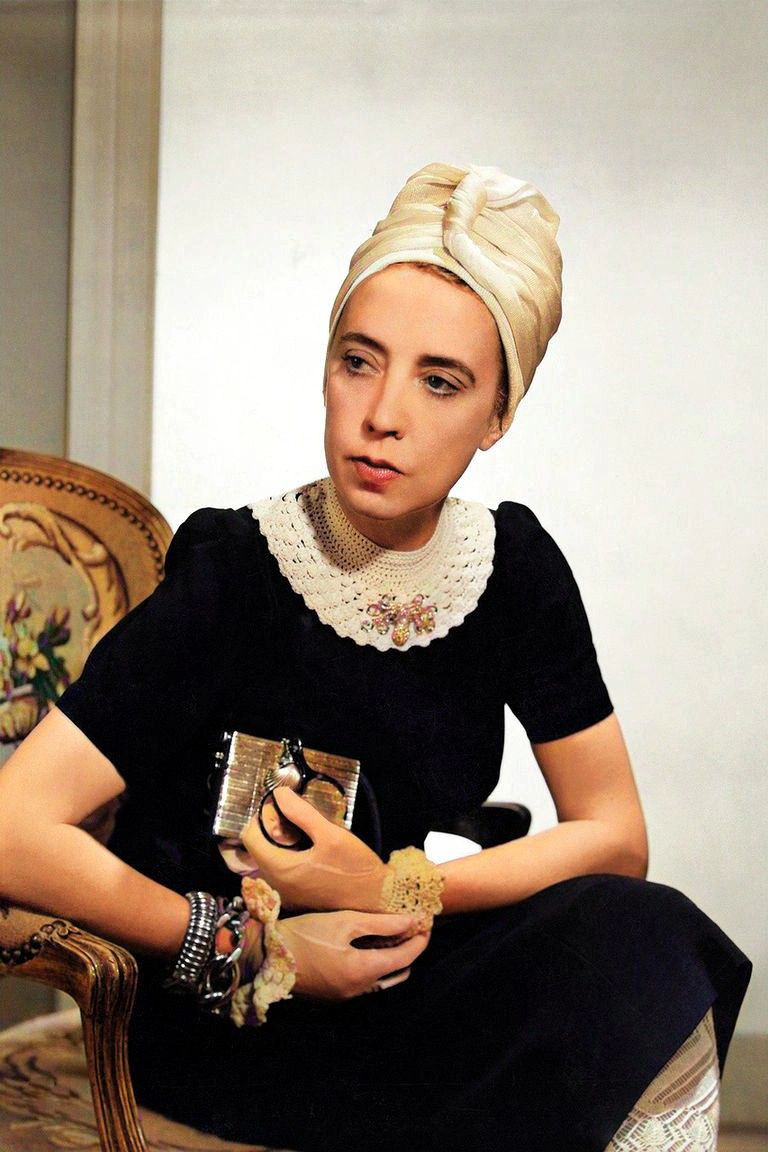
| 5 Quotes | |
| Occup. | Designer |
| From | Italy |
| Born | September 10, 1890 Rome, Italy |
| Died | November 13, 1973 Paris, France |
| Aged | 83 years |
| Cite | |
Citation Formats
APA Style (7th ed.)
Elsa schiaparelli biography, facts and quotes. (2026, February 20). FixQuotes. https://fixquotes.com/authors/elsa-schiaparelli/
Chicago Style
"Elsa Schiaparelli biography, facts and quotes." FixQuotes. February 20, 2026. https://fixquotes.com/authors/elsa-schiaparelli/.
MLA Style (9th ed.)
"Elsa Schiaparelli biography, facts and quotes." FixQuotes, 20 Feb. 2026, https://fixquotes.com/authors/elsa-schiaparelli/. Accessed 24 Mar. 2026.
Early Life and Background
Elsa Schiaparelli was born on September 10, 1890, in Rome, Italy, into an intellectually prominent household that gave her both privilege and pressure. Her father, Celestino Schiaparelli, was a scholar and director at the Biblioteca Lincea; her uncle Giovanni Schiaparelli was the astronomer whose observations of Mars helped ignite a popular fascination with "canals" and extraterrestrial worlds. That atmosphere of learning and speculation shaped her sense that reality could be redesigned - a mindset she later translated into clothes that looked like jokes, dreams, or provocations made wearable.From childhood she was willful, theatrical, and uneasy in conventional roles. Family accounts describe a girl who tested boundaries and turned life into performance, traits that later fed her taste for the startling silhouette and the visual pun. Rome at the turn of the century still carried aristocratic formality alongside modern anxieties - national identity, class tension, and a rapidly changing public sphere - and Schiaparelli grew up attentive to how appearance policed belonging. That early awareness of costume as social language became central to her later work.
Education and Formative Influences
Schiaparelli absorbed a classical education typical of her milieu, but her real formation came from restlessness: leaving Rome for London, then moving through bohemian circles that treated art, politics, and personal freedom as experiments. In London she married Wilhelm "Willy" Wendt de Kerlor, a self-styled psychic and lecturer; the union was unstable, yet it pulled her into cosmopolitan networks and, after their separation, propelled her to Paris with their daughter Gogo. Paris in the 1920s rewarded audacity and cross-disciplinary collaboration, and Schiaparelli learned to think like an artist rather than a dressmaker - collecting ideas from writers, painters, and performers, and translating them into garments that carried the charge of modern art.Career, Major Works, and Turning Points
In Paris she began with knitwear, breaking through in the mid-1920s with trompe-l'oeil sweaters whose bows, ties, and collars were knitted illusions - witty, modern, and reproducible. She built a couture house at 21 Place Vendome, developed the "Shocking Pink" color and the "Shocking" fragrance, and became a defining rival to Chanel in the 1930s: where Chanel refined understatement, Schiaparelli engineered spectacle. Her turning point was a sustained alliance with Surrealism, especially Salvador Dali, which produced the most famous iconography of her career - the Lobster Dress, the Shoe Hat, and the Tear Dress - along with collaborations with artists such as Jean Cocteau. She also pushed materials and merchandising: visible zippers as decoration, novelty buttons, and a boutique-like approach that anticipated modern branding. World War II disrupted Paris couture; she spent time in the United States and, though she reopened after the war, the postwar "New Look" era favored different fantasies. She closed her house in 1954, leaving behind an archive of ideas that designers would mine for decades.Philosophy, Style, and Themes
Schiaparelli treated fashion as a form of psychological theater: a way to externalize desire, humor, and aggression without a word spoken. Her work took the feminine silhouette as something to exaggerate, weaponize, or invert, and she was frank about the social combat embedded in elegance. “Women dress alike all over the world: they dress to be annoying to other women”. Read as wit, it is also a confession of how she saw style - not merely to attract, but to compete, to sting, to claim attention in a crowded room. The sharpness of her eye was inseparable from her own experience of navigating elite circles as an outsider who had to win by invention.Her aesthetic relied on the jolt: uncanny motifs, hard-edged tailoring, and jokes that bordered on menace. She understood that crisis changes taste, making restraint feel dishonest; she could turn instability into energy. “In difficult times, fashion is always outrageous”. That was not a slogan for chaos but a strategy for morale - the same instinct behind her insistence on pleasure, hospitality, and the ritual power of sharing. “Eating is not merely a material pleasure. Eating well gives a spectacular joy to life and contributes immensely to goodwill and happy companionship. It is of great importance to the morale”. In her inner life, fantasy was not escapism; it was a tool for endurance, a way to convert anxiety into color, and loneliness into performance.
Legacy and Influence
Schiaparelli died on November 13, 1973, having helped define what "avant-garde" could mean inside the commercial and social machinery of fashion. Her legacy is the blueprint for the designer as conceptual author: the runway as a gallery, the dress as a punchline, the brand as an artwork. Later generations repeatedly returned to her methods - art-world collaboration, the embrace of provocation, the elevation of accessories and scent into narrative - because she proved that couture could think as well as flatter. In a century that tested Europe with war, modernism, and mass media, Schiaparelli made clothing into a language of defiance and delight, and her influence persists wherever fashion insists on being more than beautiful.Our collection contains 5 quotes written by Elsa, under the main topics: Witty One-Liners - Food - Fitness - Cooking.
Other people related to Elsa: Pierre Cardin (Designer)
Source / external links