
Emanuel Tanay Biography Quotes 4 Report mistakes
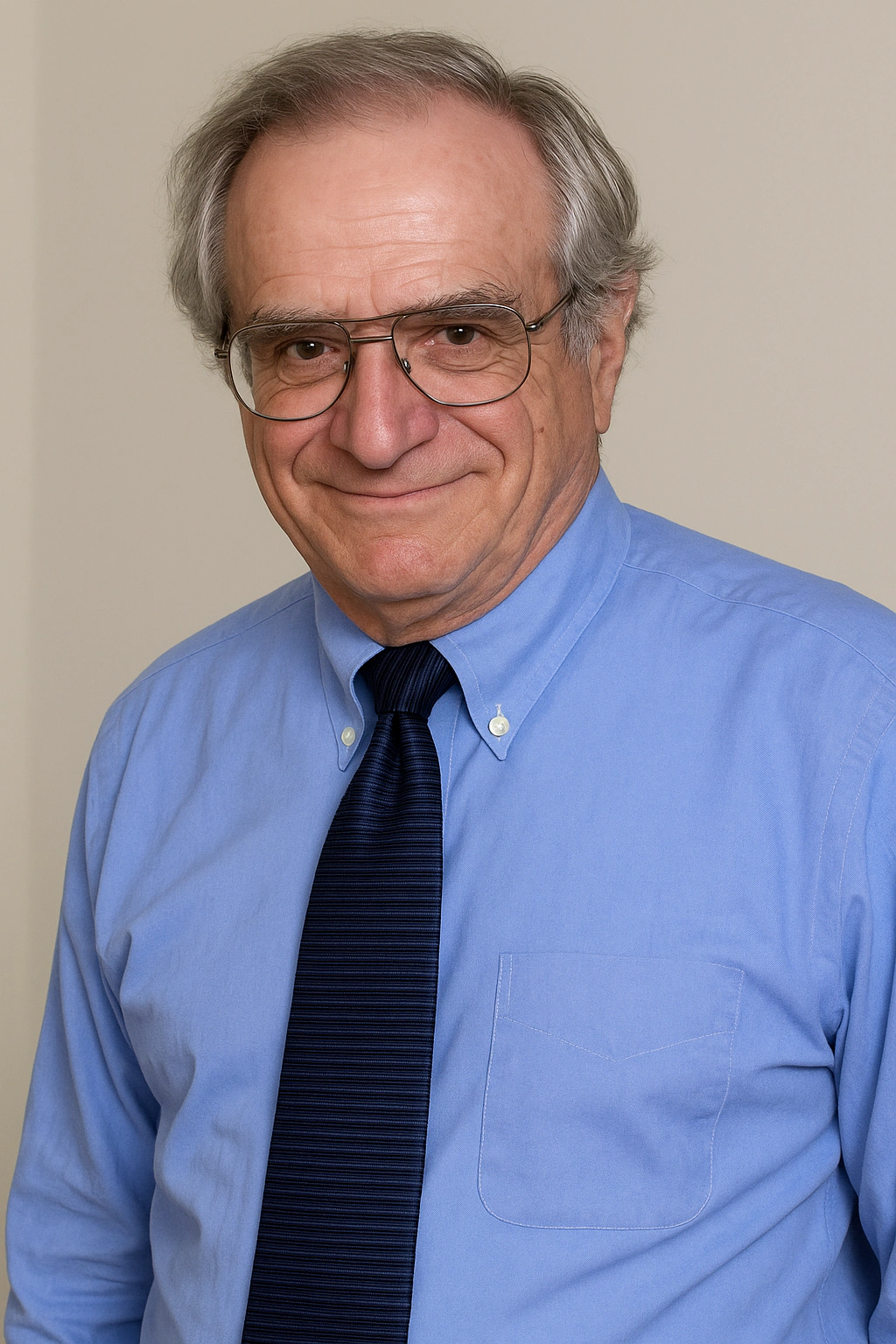
| 4 Quotes | |
| Known as | Emmanuel Teney |
| Occup. | Professor |
| From | Poland |
| Born | March 5, 1928 Wilno, Poland (now Vilnius, Lithuania) |
| Died | August 5, 2014 Michigan, USA |
| Cause | Prostate cancer |
| Aged | 86 years |
| Cite | |
Citation Formats
APA Style (7th ed.)
Emanuel tanay biography, facts and quotes. (2026, February 11). FixQuotes. https://fixquotes.com/authors/emanuel-tanay/
Chicago Style
"Emanuel Tanay biography, facts and quotes." FixQuotes. February 11, 2026. https://fixquotes.com/authors/emanuel-tanay/.
MLA Style (9th ed.)
"Emanuel Tanay biography, facts and quotes." FixQuotes, 11 Feb. 2026, https://fixquotes.com/authors/emanuel-tanay/. Accessed 5 Mar. 2026.
Early Life and Background
Emanuel M. Tanay was born on March 5, 1928, in Poland, into a Jewish family whose ordinary prewar life was soon compressed by catastrophe. His adolescence unfolded under the long shadow of the German occupation, when identity became a matter of paperwork and luck, and when the routines that form character - school, friendship, plans for adulthood - were repeatedly disrupted by violence and dislocation.Survival during the Holocaust and the immediate postwar years became Tanay's first and most consequential education: a grim apprenticeship in how fear reorganizes the mind, and how institutions can be bent toward cruelty with bureaucratic efficiency. That experience did not leave him with a taste for abstractions about evil; it left him attentive to the small decisions by which ordinary people participate in harm, and to the psychic costs of living in a world where safety is conditional.
Education and Formative Influences
After the war, Tanay rebuilt a life through study and migration, eventually training in medicine and psychiatry in the United States as part of the larger postwar movement of European survivors who remade themselves in American professional life. Psychiatry offered him a language for what he had already seen firsthand - trauma, dissociation, moral injury, and the ways memory returns - while forensic work promised a further test: to look steadily at violent acts without romanticizing either the perpetrator or the victim, and without surrendering to cynicism.Career, Major Works, and Turning Points
Tanay became a physician and professor of psychiatry in Michigan, where he taught generations of students while also serving as a forensic psychiatrist in courts and hospitals, a role that placed him at the intersection of clinical reality and public judgment. He wrote and co-wrote influential books that made forensic psychiatry legible to non-specialists, including The Killing of Bonnie Garland (1987, with Maxine Bernstein), which treated a notorious case not as sensational entertainment but as a window into adolescent violence, family dynamics, and the social scripts that shape accountability. Over time, his work helped normalize the idea that understanding motive is not the same as excusing it - and that the law, the clinic, and the public each carry different needs that can collide in a single trial.Philosophy, Style, and Themes
Tanay's inner life was marked by a survivor's refusal to confuse optimism with truth. He distrusted easy assurances, yet he also resisted the temptation to make fear into a worldview. “There are no guarantees. From the viewpoint of fear, none are strong enough. From the viewpoint of love, none are necessary”. Read as psychology rather than slogan, the line captures his double awareness: that the nervous system, once trained by terror, searches endlessly for certainty - and that the more reliable antidote is not control but attachment, meaning, and moral choice.That tension shaped his forensic writing and teaching style: clear, unsentimental, and oriented toward the mechanisms that turn thought into action. He pushed audiences to notice how violence can be culturally licensed, even when people imagine themselves respectable: “Murder is not the crime of criminals, but that of law-abiding citizens”. The provocation was not meant to erase differences between offenders; it was meant to puncture comforting distance and to show how conformity, authority, and group belonging can normalize brutality. Against that bleak possibility he placed another discipline - relinquishing compulsive mastery in favor of grounded acceptance: “As your faith is strengthened you will find that there is no longer the need to have a sense of control, that things will flow as they will, and that you will flow with them, to your great delight and benefit”. In Tanay's world, "faith" was less dogma than a practiced capacity to live without guarantees while still remaining responsible for one's choices.
Legacy and Influence
Tanay died on August 5, 2014, leaving a legacy that sits between biography and method: the survivor who became an American professor, and the clinician who insisted that even the darkest acts can be studied without surrendering to either voyeurism or denial. In classrooms, courtrooms, and the broader culture of true-crime storytelling, his influence endures in the insistence that forensic psychiatry should humanize without sentimentalizing, explain without excusing, and keep returning to the uncomfortable truth that the boundary between normality and violence is maintained - or breached - by ordinary human decisions.Our collection contains 4 quotes written by Emanuel, under the main topics: Justice - Love - Faith - Human Rights.
Source / external links