
Emmitt Smith Biography Quotes 4 Report mistakes
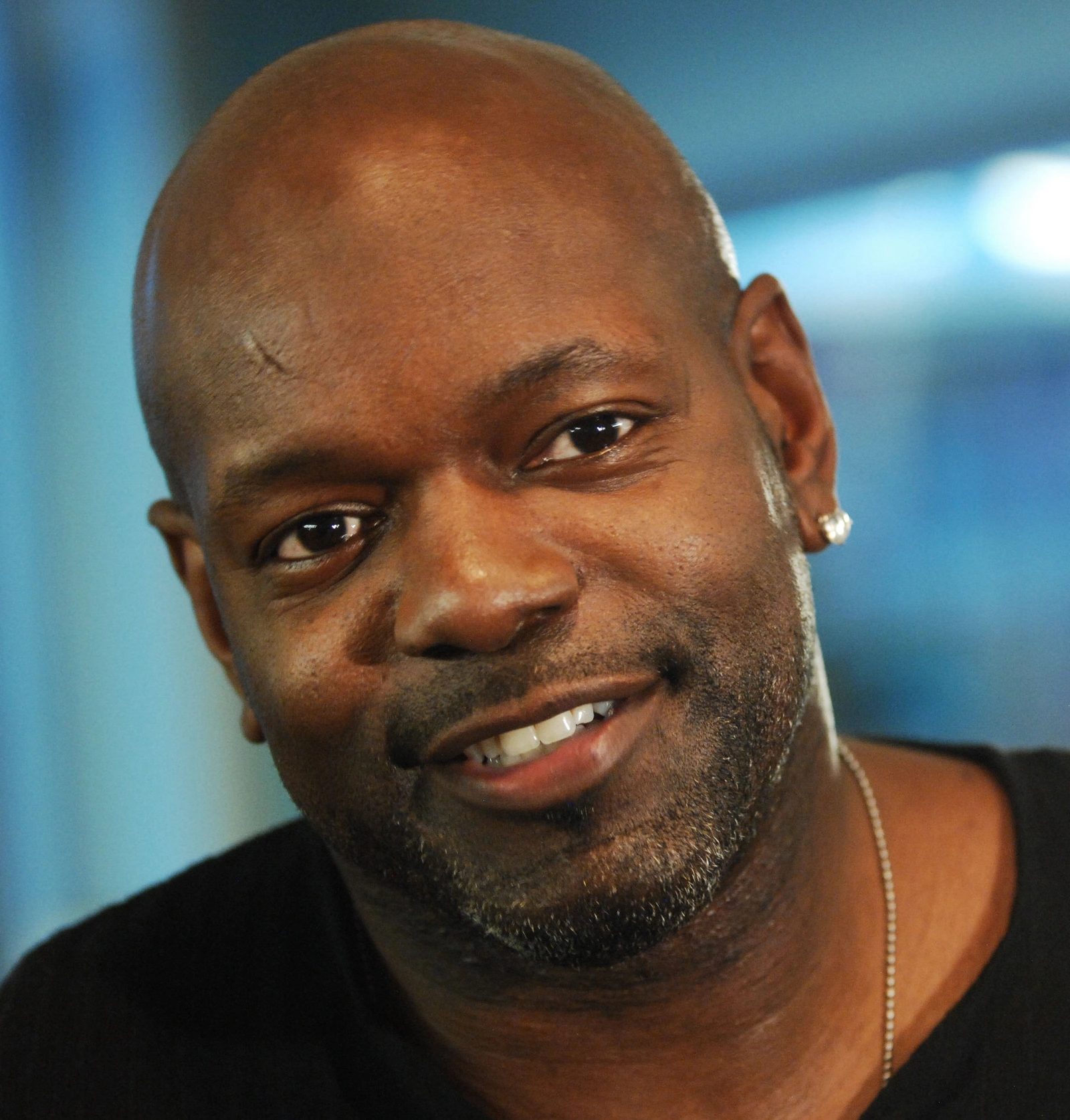
| 4 Quotes | |
| Born as | Emmitt James Smith |
| Occup. | Athlete |
| From | USA |
| Born | May 15, 1969 Pensacola, Florida |
| Age | 56 years |
| Cite | |
Citation Formats
APA Style (7th ed.)
Emmitt smith biography, facts and quotes. (2026, February 24). FixQuotes. https://fixquotes.com/authors/emmitt-smith/
Chicago Style
"Emmitt Smith biography, facts and quotes." FixQuotes. February 24, 2026. https://fixquotes.com/authors/emmitt-smith/.
MLA Style (9th ed.)
"Emmitt Smith biography, facts and quotes." FixQuotes, 24 Feb. 2026, https://fixquotes.com/authors/emmitt-smith/. Accessed 7 Mar. 2026.
Early Life and Background
Emmitt James Smith was born May 15, 1969, in Pensacola, Florida, a Gulf Coast city where military bases, shipyards, and service work shaped the rhythms of family life. He grew up in a large, close-knit household and learned early the practical virtues that would later define his public image: reliability, endurance, and an instinct to carry responsibility without complaint. In a sport that often mythologizes raw talent, Smiths earliest reputation was built as much on steadiness as on flash.
Northwest Florida in the 1970s and early 1980s offered limited glamour but abundant proving grounds: sandlot fields, humid practices, and Friday nights where a community could compress its anxieties and hopes into a scoreboard. Smith absorbed that atmosphere, and it helped form the interior engine that coaches later described as uncommon: a runner who seemed to treat every rep as a pledge, not a suggestion. The young Smith was small enough to be doubted, competitive enough to convert doubt into routine.
Education and Formative Influences
At Escambia High School in Pensacola, Smith became a local phenomenon and set national attention with record-setting rushing production, but the more formative influence was how he learned to be coached - to translate instruction into repeatable habits and to treat contact as information. Recruited widely, he chose the University of Florida, entering the SEC at a moment when college football was becoming a television-driven industry; his college years (1987-1989) sharpened his feel for tight creases, patience behind blockers, and the emotional discipline required to perform when every carry is judged.
Career, Major Works, and Turning Points
Drafted in the first round in 1990 by the Dallas Cowboys, Smith became the central mechanism of the franchises 1990s resurgence under Jimmy Johnson and later Barry Switzer, running behind a dominant offensive line often nicknamed "the Great Wall of Dallas". He won NFL rushing titles, the 1993 league MVP, and three Super Bowls (1992, 1993, 1995), and in 2002 surpassed Walter Payton to become the NFLs all-time leading rusher - a record that still stands. A defining turning point came in the 1993 season, when he returned from a contract holdout and, in a late-season win over the Giants, played through a separated shoulder to clinch a division title and propel a championship run, hardening his identity as the leagues clearest synonym for durability. He finished his career with the Arizona Cardinals (2003-2004), then moved into broadcasting, business, and public-facing leadership, extending his fame without being consumed by it.
Philosophy, Style, and Themes
Smiths running style was an argument about time: he won by arriving a half-second later than defenders expected and a half-second sooner than they could recover. He was not built like the eras most intimidating backs, yet he mastered leverage, footwork, and the geometry of blocking schemes, turning collisions into controlled outcomes. His greatest theme - visible across thousands of carries - was sustainability, the psychological decision to treat pain as a constant variable rather than a crisis.
He also articulated that mindset with unusual clarity. “For me, winning isn't something that happens suddenly on the field when the whistle blows and the crowds roar. Winning is something that builds physically and mentally every day that you train and every night that you dream”. That sentence captures the inward life behind his outward statistics: the private accumulation of readiness, the refusal to separate ambition from daily process. Likewise, “I've given everything I can possible to the game, on and off the field”. reads as more than a boast - it is a self-audit, the kind an athlete performs when he fears wasted potential more than injury. Even after the record and the rings, he framed the end without melodrama: “It's been a tremendous ride. My 15 years, my 15 minutes of fame, is up”. The humility is strategic as well as sincere, a way of keeping identity larger than applause.
Legacy and Influence
Smith endures as the NFLs career rushing leader and as the emblem of how greatness can be built from repeatable advantages rather than spectacle - vision, ball security, conditioning, and an almost moral commitment to finishing runs. In the Cowboys dynasty narrative, he is both a beneficiary of elite teammates and the dependable center who made their talent cohere; for later generations of running backs, he is the case study that longevity is a skill. His influence persists in how the position is evaluated: not only by highlights, but by availability, efficiency, and the quiet authority of a player who could carry a franchise, a season, and the weight of expectation, one measured step at a time.
Our collection contains 4 quotes written by Emmitt, under the main topics: Motivational - Work Ethic - Knowledge - Retirement.
Other people related to Emmitt: Jimmy Johnson (Coach), Michael Irvin (Athlete), Pat Summerall (Celebrity), Jim Brown (Athlete), Barry Sanders (Athlete), Deion Sanders (Athlete), Jerry Jones (Businessman)
Source / external links