
Ernest Dimnet Biography Quotes 11 Report mistakes
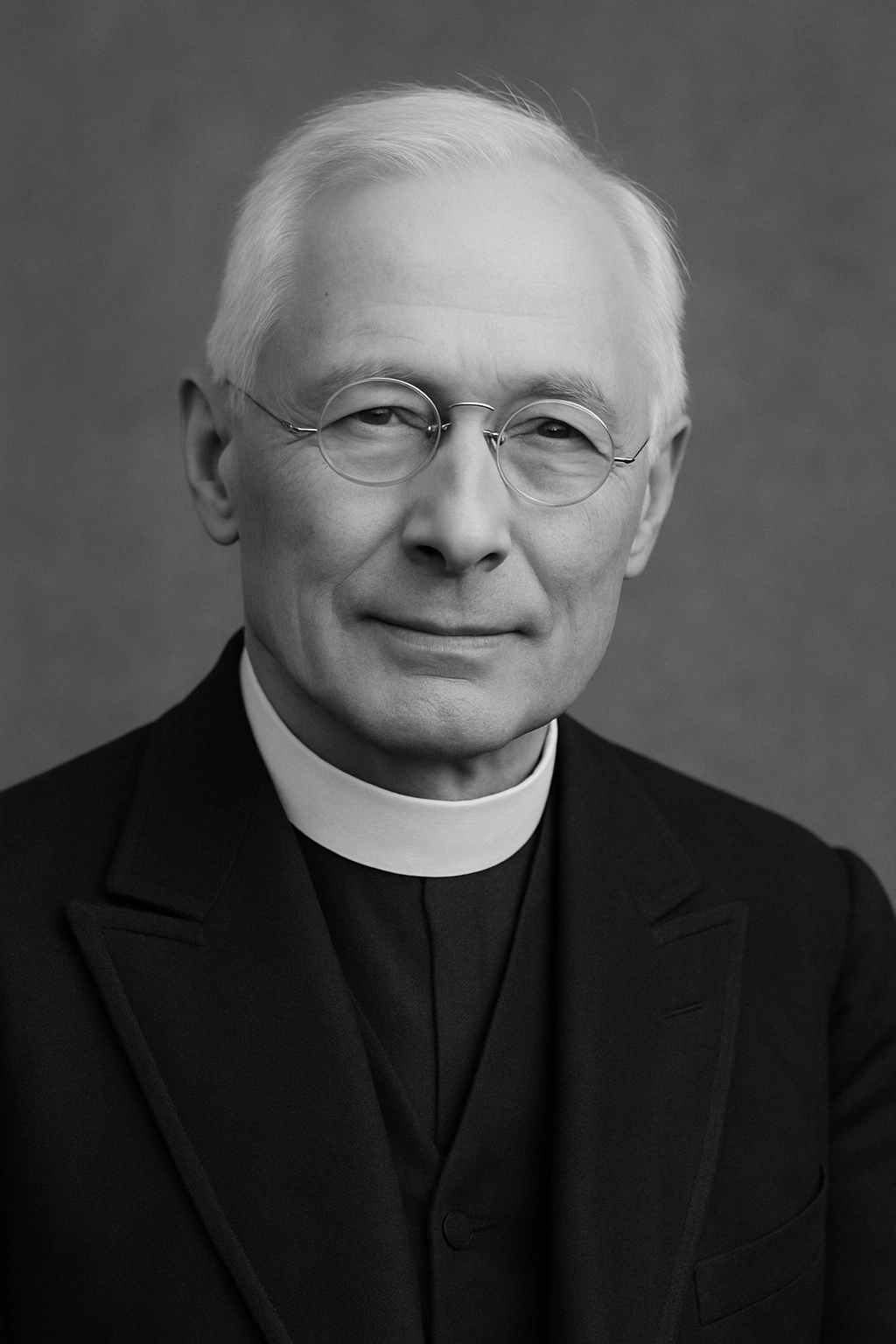
Attr: Bain News Service
| 11 Quotes | |
| Occup. | Priest |
| From | France |
| Born | November 11, 1866 St. Sauveur-de-Montagut, Ardèche, France |
| Died | April 15, 1954 France |
| Aged | 87 years |
| Cite | |
Citation Formats
APA Style (7th ed.)
Ernest dimnet biography, facts and quotes. (2026, February 11). FixQuotes. https://fixquotes.com/authors/ernest-dimnet/
Chicago Style
"Ernest Dimnet biography, facts and quotes." FixQuotes. February 11, 2026. https://fixquotes.com/authors/ernest-dimnet/.
MLA Style (9th ed.)
"Ernest Dimnet biography, facts and quotes." FixQuotes, 11 Feb. 2026, https://fixquotes.com/authors/ernest-dimnet/. Accessed 12 Feb. 2026.
Early Life and Background
Ernest Dimnet was born on November 11, 1866, in France, in the aftermath of national defeat and political upheaval that followed the Franco-Prussian War and the fall of the Second Empire. He came of age as the Third Republic consolidated itself amid fierce arguments about faith, schools, and modern citizenship. The France of his childhood was a country where parish life still shaped villages and neighborhoods, yet where anticlerical politics steadily tightened its grip on public institutions.Ordained a Catholic priest, Dimnet learned early that the modern world would not grant clergy an automatic hearing. The priest in late nineteenth-century France was increasingly pushed from the public square toward a more interior authority - persuasion rather than power, moral psychology rather than civic privilege. That pressure, rather than silencing him, helped sharpen the voice for which he later became known: a reflective, essayistic mind that treated everyday habits as the true theater of spiritual struggle.
Education and Formative Influences
Dimnet belonged to the generation of French clerics trained to read widely beyond devotional literature, attentive to philosophy, history, and the arts as tools for speaking to lay readers. His intellectual temperament was shaped by the Catholic encounter with modernity - the need to defend tradition without merely repeating it - and by the French essay tradition that valued clarity, wit, and moral diagnosis. He gravitated toward close observation of consciousness: how people form judgments, how attention is educated, how ideas become action, and how culture - especially books and buildings - disciplines feeling over time.Career, Major Works, and Turning Points
In the early twentieth century Dimnet developed a career as a priest-writer whose essays moved between spiritual counsel and cultural criticism, reaching an audience beyond ecclesiastical circles. His best-known book, The Art of Thinking (published in English in the 1920s), established him as an interpreter of inner discipline for a modern readership hungry for self-command amid mass society. A significant turning point came through transatlantic engagement: he spent extended time in the United States and wrote about American life with both admiration and a French moralist's skepticism, using the contrast to clarify what he considered the duties of attention, solitude, and reflective conversation.Philosophy, Style, and Themes
Dimnet wrote as a priest with the tools of a humanist: brief chapters, aphoristic turns, and a steady effort to translate moral formation into practical mental habits. He treated education less as the transfer of information than as the cultivation of an inner instrument capable of judgment. "Education is the methodical creation of the habit of thinking". For Dimnet, the religious life did not compete with intelligence; it required intelligence disciplined into patience, self-critique, and the ability to hold competing claims without surrendering to fashion.The same psychology underlies his emphasis on self-education and the slow work of character. "Children have to be educated, but they have also to be left to educate themselves". expresses his distrust of coercive formation and his belief that the mind must consent to its own growth. He repeatedly warned that large moral failures usually begin as small abdications of attention and will: "The happiness of most people is not ruined by great catastrophes or fatal errors, but by the repetition of slowly destructive little things". In that sentence the confessor and the essayist meet - he reads the soul not as a stage for dramatic sins alone, but as a workshop where tiny daily choices either build an interior architecture of freedom or erode it.
Legacy and Influence
Dimnet's enduring influence lies in how he recast priestly counsel for an age of speed, distraction, and ideological noise: he spoke about thinking as a moral act and about culture as a long education of desire. Though not a system-builder, he became a durable presence on quotes-and-maxims shelves because his insights compress complex spiritual psychology into memorable lines, useful to believers and nonbelievers alike. In the broader history of French Catholic letters, he stands as one of the clerical essayists who negotiated the Third Republic's pressures by turning inward - not to retreat, but to train attention, judgment, and conscience as the modern person's most reliable sanctuary.Our collection contains 11 quotes written by Ernest, under the main topics: Wisdom - Art - Learning - Deep - Reason & Logic.
Ernest Dimnet Famous Works
- 1932 What We Live By (Book)
- 1928 The Art of Thinking (Book)
Source / external links