
Flora Lewis Biography Quotes 5 Report mistakes
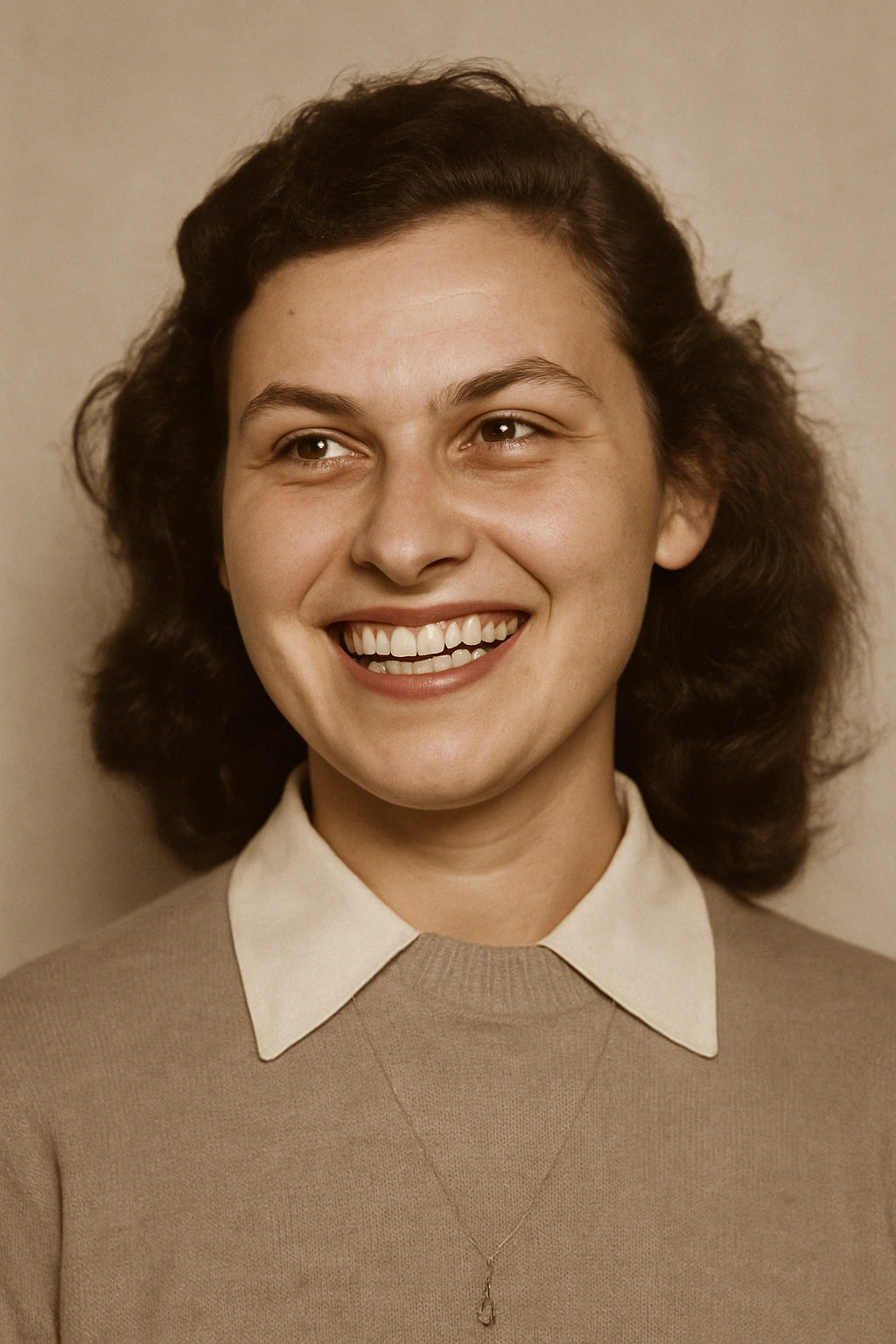
Attr: Associated Students of UCLA
| 5 Quotes | |
| Occup. | Journalist |
| From | USA |
| Born | April 25, 1918 Los Angeles, California, United States |
| Died | June 2, 2002 Paris, France |
| Aged | 84 years |
| Cite | |
Citation Formats
APA Style (7th ed.)
Flora lewis biography, facts and quotes. (2026, February 11). FixQuotes. https://fixquotes.com/authors/flora-lewis/
Chicago Style
"Flora Lewis biography, facts and quotes." FixQuotes. February 11, 2026. https://fixquotes.com/authors/flora-lewis/.
MLA Style (9th ed.)
"Flora Lewis biography, facts and quotes." FixQuotes, 11 Feb. 2026, https://fixquotes.com/authors/flora-lewis/. Accessed 5 Mar. 2026.
Early Life and Background
Flora Lewis was born on April 25, 1918, in Los Angeles, California, into an American century already testing its own ideals. She came of age between the aftershocks of World War I and the hard edges of the Depression, when mass politics, propaganda, and economic upheaval made the public sphere feel both urgent and unstable. That early atmosphere mattered: her later reporting would treat events not as isolated crises but as connected systems - currencies, borders, alliances, and ideas moving together.Her private life and professional life eventually braided tightly around Europe. She married journalist Sidney Gruson, and their partnership - alongside his postings and her own widening assignments - helped root her in the continent whose postwar reconstruction became her lifelong subject. The marriage ended in divorce, but the European orientation remained. Living with the daily evidence of nations reinventing themselves after catastrophe, she developed a temperament for explaining complexity without romanticizing it, and for treating diplomacy as lived human consequence rather than abstract chess.
Education and Formative Influences
Lewis studied at the University of California, Los Angeles, and did further work at Columbia University, entering journalism as American power and European fragility reshaped the same map. The formative influence was not a single mentor so much as the era's collision of ideologies and institutions: the rise of the Cold War, the creation of NATO, the early steps toward European integration, and the habit - newly necessary - of understanding politics across languages and legal cultures.Career, Major Works, and Turning Points
Lewis built her reputation as one of the United States' most authoritative interpreters of European politics and the Atlantic alliance, reporting from major capitals with a special fluency about France and the emerging European project. She worked for The Washington Post and later became a long-running foreign affairs columnist for The New York Times, where her byline signaled an analytic, on-the-ground internationalism: close attention to leaders and treaties, but equally to the pressures beneath them - currencies, parties, labor unrest, student movements, and the slow accretion of institutions in Brussels. Key turning points were less headline scoops than the cumulative authority earned by being right about the direction of travel: that postwar Europe would not simply return to old sovereignties, and that American readers needed a patient guide to understand why European unity, however halting, mattered to democracy and peace.Philosophy, Style, and Themes
Lewis wrote with the discipline of a columnist who distrusted grand theory yet refused cynicism. She believed that comprehension begins with translation, not only linguistic but moral and institutional, and her work repeatedly argued that international reporting is a craft of entering other frameworks without surrendering judgment. “Learning another language is not only learning different words for the same things, but learning another way to think about things”. In her hands, that insight became method: explain the Fifth Republic in terms an American constitution-reader could grasp, or decode the European Community's incrementalism for an audience trained to expect decisive federal acts.Psychologically, her steadiness came from a conviction that history is made more by accumulated adjustments than by perfect designs. “Many, many, many small moves of many kinds can bring a way to manage change. The theory can come later”. This preference for the workable over the doctrinaire shaped her tone - skeptical of utopian claims, attentive to the compromises that keep plural societies from breaking. Yet she also retained a moral baseline that separated sophistication from relativism: “I consider that there are different degrees of civilization and there are many different ways of expressing it. But one is civilized or is not”. That sentence captures a recurring tension in her writing - empathy for national particularities alongside a firm belief in democratic norms, human dignity, and limits on state violence.
Legacy and Influence
Lewis died on June 2, 2002, but her influence persists in the best tradition of foreign correspondence-as-civic education: explanatory, comparative, and alert to the slow architecture of peace. She helped normalize the idea that Europe is not a sideshow to American life but a laboratory of governance, identity, and memory whose outcomes loop back across the Atlantic. For later journalists and readers, her legacy is a model of cosmopolitan rigor - the insistence that to understand power you must understand institutions, and to understand institutions you must first learn how other people think.Our collection contains 5 quotes written by Flora, under the main topics: Ethics & Morality - Freedom - Learning - Meaning of Life - Change.
Source / external links