
Fran Lebowitz Biography Quotes 49 Report mistakes
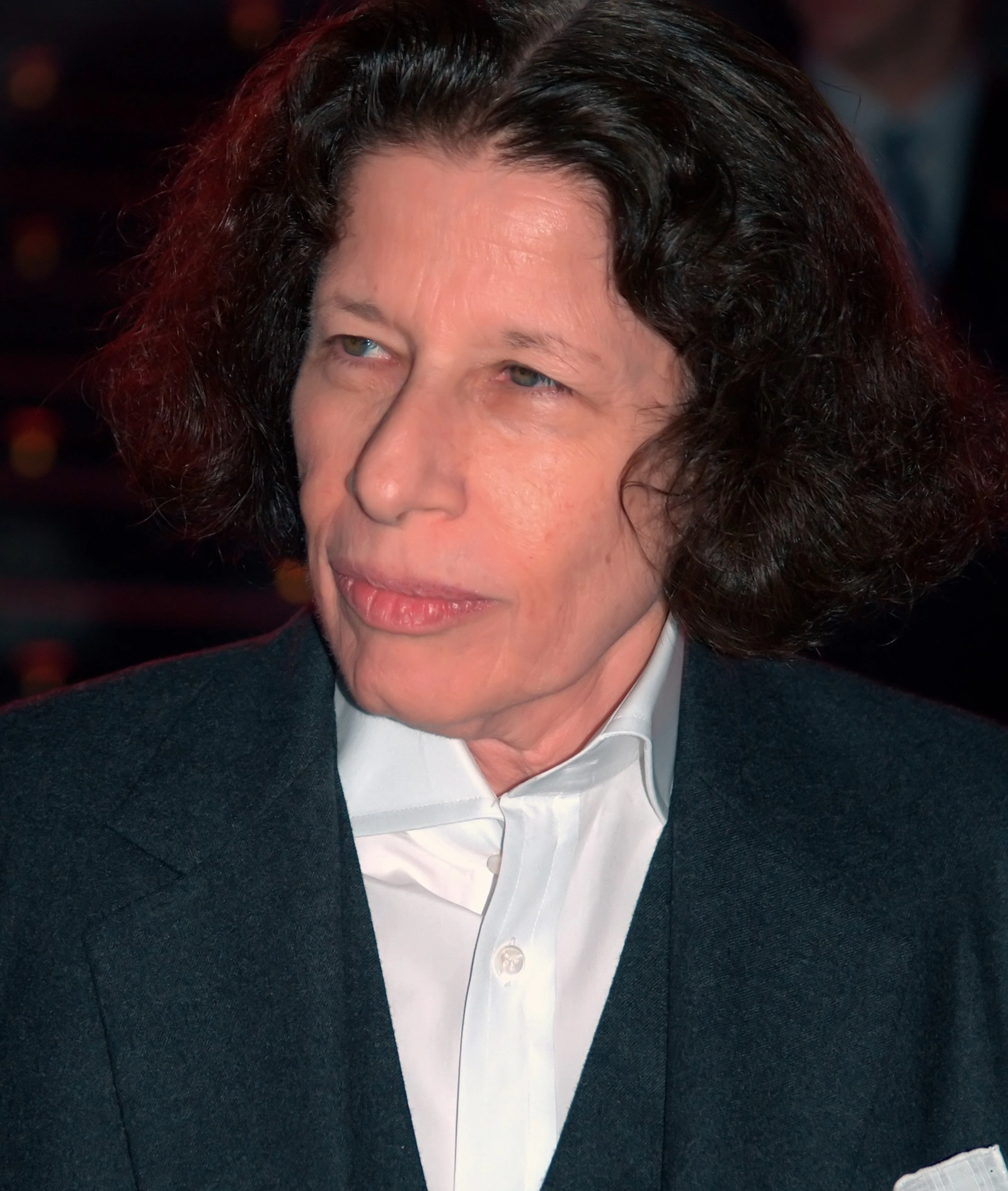
| 49 Quotes | |
| Born as | Francine Lebowitz |
| Occup. | Journalist |
| From | USA |
| Born | October 27, 1951 Morristown, New Jersey |
| Age | 74 years |
| Cite | |
Citation Formats
APA Style (7th ed.)
Fran lebowitz biography, facts and quotes. (2026, February 11). FixQuotes. https://fixquotes.com/authors/fran-lebowitz/
Chicago Style
"Fran Lebowitz biography, facts and quotes." FixQuotes. February 11, 2026. https://fixquotes.com/authors/fran-lebowitz/.
MLA Style (9th ed.)
"Fran Lebowitz biography, facts and quotes." FixQuotes, 11 Feb. 2026, https://fixquotes.com/authors/fran-lebowitz/. Accessed 5 Mar. 2026.
Early Life and Background
Francine Lebowitz was born on October 27, 1951, in Morristown, New Jersey, into a middle-class Jewish family whose expectations ran toward conventional achievement and polite conformity. She grew up during the postwar boom as American suburbia expanded and television standardized taste, a cultural atmosphere she would later resist with a near-professional contrariness. From early on she was notable not for compliance but for appetite - for language, for judgment, for the pleasure of stating an opinion as if it were a civic duty.Her adolescence coincided with the 1960s, when the distance between adult authority and youth culture widened into open skepticism. Lebowitz absorbed the era less as a partisan than as an observer of manners: who had power, who pretended not to, who demanded attention, and who deserved it. The friction between her quick intelligence and institutional rules hardened into a lifelong posture - not mere rebellion, but a refusal to grant institutions emotional leverage.
Education and Formative Influences
Lebowitz was expelled from high school, a formative rupture that clarified her distrust of credentialism and her faith in self-invention; she later attended but did not complete studies at the Pratt Institute in Brooklyn. Literature and city life became her real curriculum: the essayists and satirists who treated style as ethics, and New York itself as a pressure cooker of class, ambition, and performance. By the early 1970s she moved into Manhattan, where jobs (including driving a taxi and cleaning apartments) doubled as fieldwork in how people act when they think no one is taking notes.Career, Major Works, and Turning Points
Her break came through Andy Warhol's Interview magazine, where she became a distinctive voice in the 1970s downtown ecosystem - adjacent to art-world glamour yet unseduced by it. The essays that made her famous were later collected in Metropolitan Life (1978) and Social Studies (1981), books that used the compactness of comedy to deliver social diagnosis: children and parents, tourists and natives, money and taste, public behavior and private self-regard. A much-discussed turning point followed - a prolonged writer's block that curtailed new books even as her reputation grew - shifting her primary medium toward live speaking, television appearances, and stage performance, where her timing and authority could replace the page without softening the edge.Philosophy, Style, and Themes
Lebowitz's work is built from aphorism, complaint, and the moral scrutiny of everyday conduct. She treats the city not as backdrop but as a laboratory for character, and she measures people by their consideration for strangers - the elevator, the sidewalk, the queue - because those are the places where empathy cannot hide behind intimacy. Beneath the laughter is a seriousness about civility as a social technology: “I place a high moral value on the way people behave. I find it repellent to have a lot, and to behave with anything other than courtesy in the old sense of the word - politeness of the heart, a gentleness of the spirit”. The line reads like a personal credo, but it also reveals her inner life: an impatience with hypocrisy that is less ideological than temperamental, and a desire for a world whose rules are legible and enforced by shame rather than force.Her style is conversational but engineered, with sentences that snap shut like a clasp. She distrusts sentimentality, partly because it can be used to excuse bad behavior, and partly because it demands emotional participation she refuses to grant on command. When she jokes, “Success didn't spoil me, I've always been insufferable”. , she is not just performing arrogance; she is insulating the self from the sentimental arc of self-improvement, insisting that personality is fate as much as choice. Even her view of dialogue is a theory of attention and power: “The opposite of talking isn't listening. The opposite of talking is waiting”. That sentence exposes her suspicion that modern conversation often functions as competition for airtime, and it explains the velocity of her monologues - she will not wait politely while others rehearse themselves.
Legacy and Influence
Lebowitz endures as a singular New York public intellectual - a satirist of manners whose authority comes from precision rather than volume. Her books remain touchstones for readers who want social critique without jargon, and her later prominence as an onstage raconteur and filmed conversationalist (notably in Martin Scorsese's Public Speaking and Pretend Its a City) expanded her audience without diluting the persona: the curmudgeon as moralist, the comedian as civic diagnostician. In an era that rewards performative openness, Lebowitz's influence lies in a rarer permission - to be private, to be exacting, and to treat style not as decoration but as an ethical stance.Our collection contains 49 quotes written by Fran, under the main topics: Witty One-Liners - Sarcastic - Nature - Freedom - Parenting.
Other people related to Fran: Cynthia Heimel (Writer)
Fran Lebowitz Famous Works
- 1994 The Fran Lebowitz Reader (Book)
- 1981 Social Studies (Book)
- 1978 Metropolitan Life (Book)
Source / external links