
Francis of Assisi Biography Quotes 18 Report mistakes
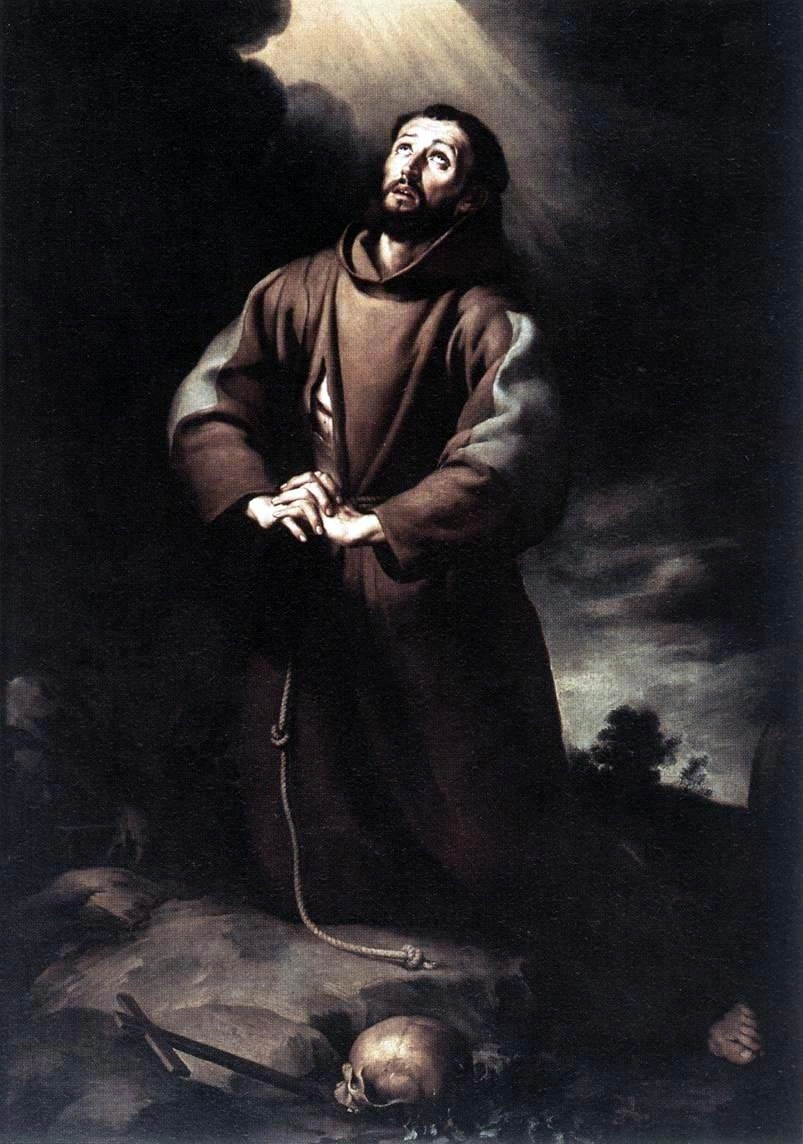
| 18 Quotes | |
| Born as | Giovanni di Pietro di Bernardone |
| Occup. | Saint |
| From | Italy |
| Born | 1182 AC Assisi, Duchy of Spoleto, Holy Roman Empire |
| Died | October 3, 1226 Assisi, Umbria, Papal States |
| Cause | Natural Causes |
| Cite | |
Citation Formats
APA Style (7th ed.)
Francis of assisi biography, facts and quotes. (2026, February 11). FixQuotes. https://fixquotes.com/authors/francis-of-assisi/
Chicago Style
"Francis of Assisi biography, facts and quotes." FixQuotes. February 11, 2026. https://fixquotes.com/authors/francis-of-assisi/.
MLA Style (9th ed.)
"Francis of Assisi biography, facts and quotes." FixQuotes, 11 Feb. 2026, https://fixquotes.com/authors/francis-of-assisi/. Accessed 5 Mar. 2026.
Early Life and Background
Francis of Assisi was born Giovanni di Pietro di Bernardone around 1181-1182 in Assisi, a hill town of Umbria in central Italy, the son of Pietro di Bernardone, a prosperous cloth merchant, and Pica, likely of Provençal origin. The Italy of his childhood was a patchwork of communes, bishoprics, and feuding noble families, with Assisi often at odds with nearby Perugia. Trade wealth was reshaping society, and Giovanni grew up amid fine fabrics, marketplace credit, and the new confidence of a rising merchant class. His father, frequently traveling, called him "Francesco" - "the Frenchman" - a nickname that stuck and hinted at the cosmopolitan aspirations of the household.Early stories present him as charismatic, pleasure-loving, and eager for honor: the young man who sang in the streets, staged feasts, and imagined a knightly destiny. That desire for status met the hard schooling of civil war. Around 1202, during conflict between Assisi and Perugia, Francis fought and was captured, spending about a year as a prisoner. Illness followed, and with it a slow interior unravelling of the old dream - not a single epiphany, but an increasingly intolerable sense that his former life had been built on applause rather than purpose.
Education and Formative Influences
Francis received the practical education typical of a merchant's son - basic Latin for business and church use, arithmetic, and a familiarity with liturgy and popular religious culture - rather than a university training. His deeper formation came through the spiritual currents of the age: reform preaching, the new urban piety of lay penitents, and a renewed attention to the humanity of Christ. Encounters with lepers (whom he first recoiled from and later embraced), and the crucifix at San Damiano, traditionally associated with his call to "repair my house", redirected him from public ambition to a life ordered by the Gospel, concrete service, and a startling literalness about poverty.Career, Major Works, and Turning Points
Between 1206 and 1208 Francis enacted a public break with his father, renouncing inheritance and wealth before the bishop of Assisi and choosing the life of a penitent. He repaired small churches (San Damiano, San Pietro, the Portiuncula), begged for stones, and began preaching simple repentance and peace. Companions gathered; by 1209 he carried a brief rule based on Gospel passages to Pope Innocent III and received approval to preach. The movement grew quickly across Italy and beyond; Francis insisted on itinerancy, manual labor, and radical non-possession. In 1219 he traveled to the eastern Mediterranean during the Fifth Crusade and met Sultan al-Kamil in Egypt, a daring attempt at witness without weapons. As the fraternity expanded, tensions over discipline and property increased; Francis withdrew from administration, but left governing texts, notably the Earlier Rule and the Later Rule (Regula bullata, 1223), and the poetic "Canticle of the Creatures". In 1224, at La Verna, he received the stigmata, the first widely reported in Christian tradition. Worn down by illness and near-blindness, he died at the Portiuncula on 1226-10-03 and was canonized in 1228.Philosophy, Style, and Themes
Francis's interior life fused tenderness with rigor: a joy that was not naive, and an austerity that was not theatrical. He pursued "Lady Poverty" not as self-hatred but as spiritual freedom - a way to strip away ownership so that attention could become prayer and compassion could become reflex. His vision was relational: God as Father, Christ as poor and crucified brother, creation as a choir of kinship. This is why his pity extended to those society treated as contaminating, and why his reverence for animals and the elements was less sentimental than moral: "If you have men who will exclude any of God's creatures from the shelter of compassion and pity, you will have men who will deal likewise with their fellow men"Our collection contains 18 quotes written by Francis, under the main topics: Motivational - Ethics & Morality - Wisdom - Kindness - Peace.
Other people related to Francis: Abbe Pierre (Priest), Ernest Hello (Critic), Franco Zeffirelli (Director), Junipero Serra (Clergyman), Claudio Hummes (Brazilian)
Source / external links