
Francois de La Rochefoucauld Biography Quotes 173 Report mistakes
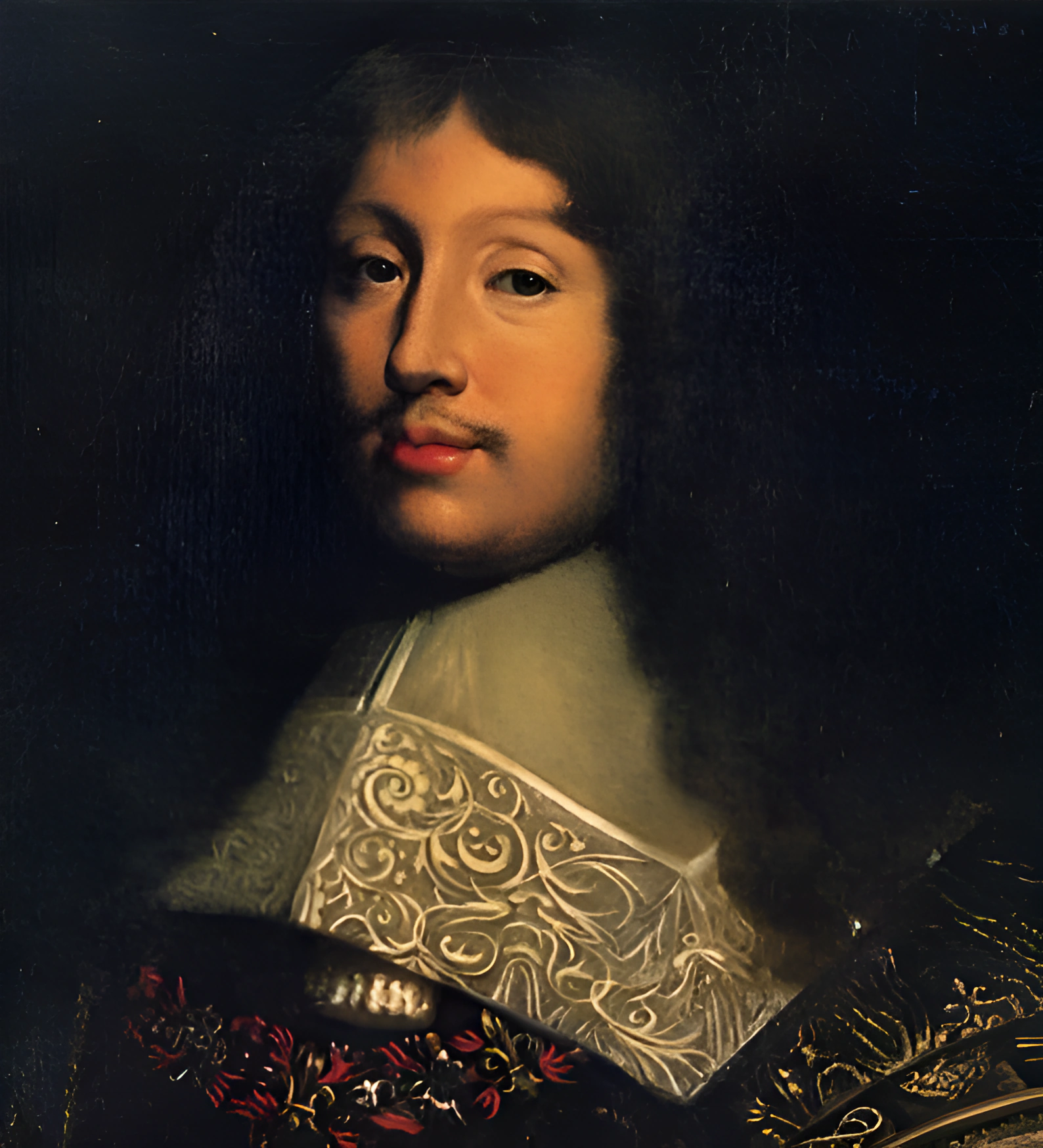
| 173 Quotes | |
| Occup. | Writer |
| From | France |
| Born | September 15, 1613 |
| Died | March 17, 1680 |
| Aged | 66 years |
| Cite | |
Citation Formats
APA Style (7th ed.)
Francois de la rochefoucauld biography, facts and quotes. (2026, February 11). FixQuotes. https://fixquotes.com/authors/francois-de-la-rochefoucauld/
Chicago Style
"Francois de La Rochefoucauld biography, facts and quotes." FixQuotes. February 11, 2026. https://fixquotes.com/authors/francois-de-la-rochefoucauld/.
MLA Style (9th ed.)
"Francois de La Rochefoucauld biography, facts and quotes." FixQuotes, 11 Feb. 2026, https://fixquotes.com/authors/francois-de-la-rochefoucauld/. Accessed 25 Mar. 2026.
Early Life and Background
Francois VI, duc de La Rochefoucauld, was born on September 15, 1613, into one of France's oldest noble lineages, heir to land, title, and the demanding etiquette of a kingdom consolidating power under Louis XIII. Raised between the Charente stronghold of La Rochefoucauld and the orbit of Paris, he absorbed early the dual realities that would later harden into aphorism: the high language of honor and the low mechanics of interest. Nobility in the 1620s meant service, faction, and vulnerability - a life lived under the gaze of court and the reach of ministers.His temperament formed in a France still marked by the aftershocks of the Wars of Religion and the new centralizing state of Cardinal Richelieu. Early marriage to Andree de Vivonne tied him to another major house, but it did not anchor him in domestic quiet. The young duke leaned toward the politics of salons and intrigue, drawn to powerful patrons and charismatic women, and he learned how quickly private loyalties became public liabilities. This exposure to courtly rivalry - where reputations were currency and discretion a form of armor - furnished him with a lifelong suspicion of self-justifying narratives, including his own.
Education and Formative Influences
Like many high nobles, La Rochefoucauld's education emphasized arms, protocol, and social intelligence more than formal scholarship, but he was trained to read people and situations with speed. The culture that shaped him was a blend of chivalric memory and modern statecraft: the rhetoric of virtue set against the realities of patronage, royal favor, and surveillance. Parisian salon conversation, where wit functioned as both entertainment and weapon, gave him a model for compressed expression; classical moralists and the court's constant theater taught him that the self is often a role performed under pressure.Career, Major Works, and Turning Points
La Rochefoucauld entered public life as a soldier and court actor, then plunged into the civil upheavals of the Fronde (1648-1653), aligning with aristocratic resistance to the crown's ministers and the regency of Anne of Austria. The experience was costly: he was wounded in battle (notably at the Faubourg Saint-Antoine in 1652), endured reversals, and watched allies bargain, defect, or collapse. Out of political defeat emerged his literary identity. In the 1660s he moved into the disciplined arena of moral writing, circulating reflections in salon networks before publishing his enduring masterpiece, "Reflexions ou sentences et maximes morales" (first edition 1665, revised repeatedly). Around him, the salon of Madame de Sable and his close friendship with Madame de La Fayette offered both emotional refuge and an intellectual workshop where observation was refined into sentence-length verdicts.Philosophy, Style, and Themes
La Rochefoucauld's psychological project was to strip virtue of its comforting masks without denying the human need to wear them. He wrote as a disappointed participant rather than a detached judge: a man who had tried to live by honor, then watched honor converted into bargaining chips. That intimate knowledge of compromise explains the chill clarity of his prose - short, balanced, and surgical - as if the only honest form left was compression. His maxims suggest that self-love (amour-propre) is not merely a vice but the engine of most conduct, capable of generosity when generosity flatters the giver, and capable of cruelty when cruelty protects pride.Yet the bleakness is tempered by his realism about weakness, including his own. He sees moral failure less as grand villainy than as erosion under stress: “We are more often treacherous through weakness than through calculation”. His attention to performance becomes a theory of social order, where appearances are not incidental but constitutive: “Hypocrisy is the homage vice pays to virtue”. Even love, in his view, is haunted by wishful storytelling and scarcity, not because he disbelieves feeling, but because he distrusts how the mind edits experience to save itself: “True love is like ghosts, which everyone talks about and few have seen”. These are not merely epigrams but fragments of autobiography, the voice of someone who survived factional politics and then measured, with austere honesty, what remained when grand ideals met the everyday hunger for esteem.
Legacy and Influence
La Rochefoucauld helped define the French moralist tradition, shaping the maxim as a modern instrument for dissecting motive. His influence runs through the salon culture that canonized him, through La Fayette's psychological fiction, and forward to Enlightenment skepticism and later writers who treated society as a laboratory of vanity - from Chamfort to Nietzsche's admiration for French aphoristic precision. Because his sentences can be quoted like weapons, he is often misread as merely cynical; in full, his work is a record of moral injury and hard-won lucidity, a portrait of seventeenth-century court life where truth rarely arrived as a confession and more often as a perfectly turned line that refused consolation.Our collection contains 173 quotes written by Francois, under the main topics: Witty One-Liners - Motivational - Ethics & Morality - Truth - Wisdom.
Other people related to Francois: Cardinal De Retz (Clergyman), Bernard de Mandeville (Philosopher)
Francois de La Rochefoucauld Famous Works
- 1678 Miscellaneous Thoughts and Maxims (Book)
- 1670 Memoirs of La Rochefoucauld (Book)
- 1665 Reflections; or Sentences and Moral Maxims (Book)
Source / external links