
Franklin P. Jones Biography Quotes 29 Report mistakes
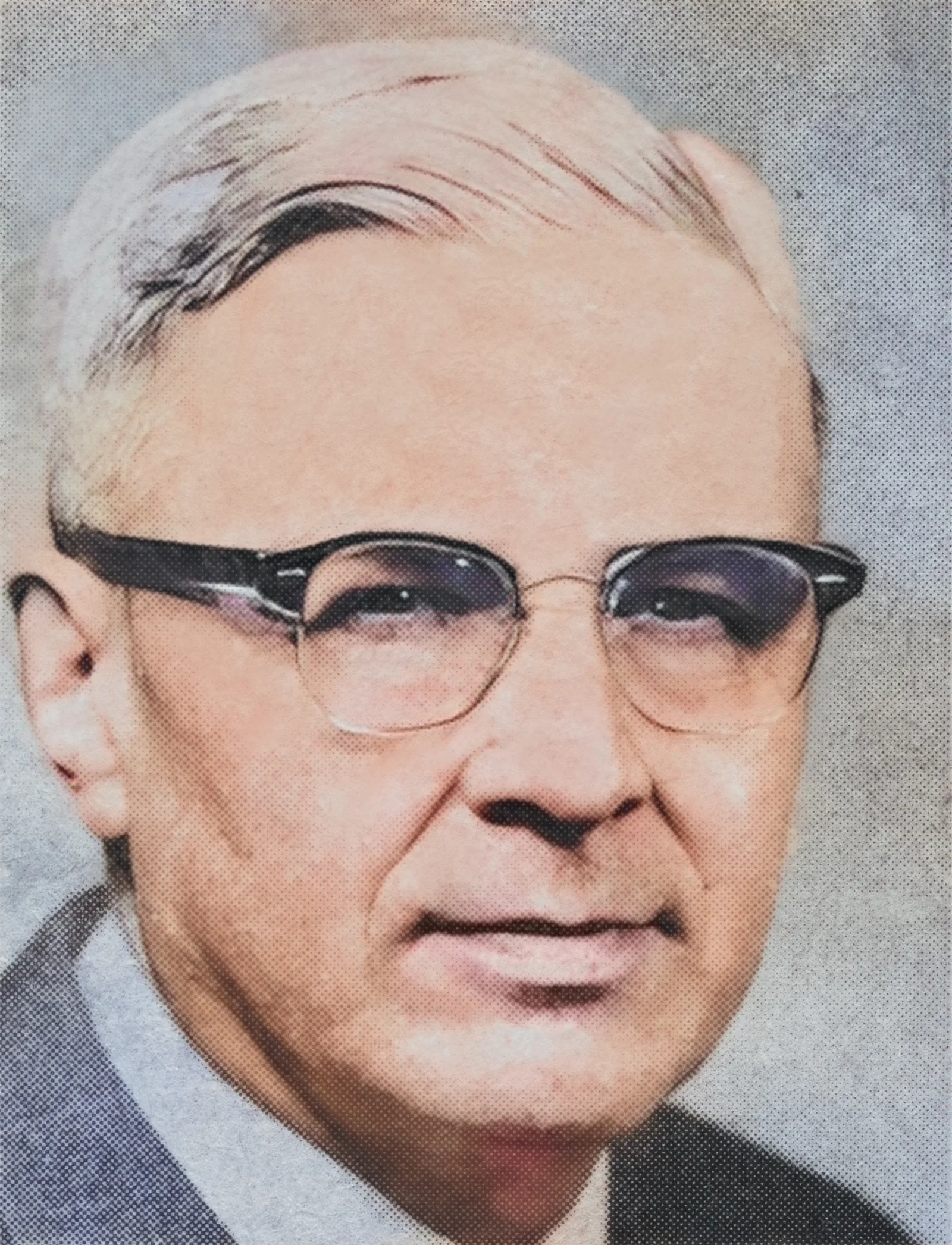
Attr: Stacyv.v
| 29 Quotes | |
| Born as | Franklin Pierce Jones |
| Occup. | Journalist |
| From | USA |
| Born | 1908 |
| Died | 1980 |
| Cite | |
Citation Formats
APA Style (7th ed.)
Franklin p. jones biography, facts and quotes. (2026, February 2). FixQuotes. https://fixquotes.com/authors/franklin-p-jones/
Chicago Style
"Franklin P. Jones biography, facts and quotes." FixQuotes. February 2, 2026. https://fixquotes.com/authors/franklin-p-jones/.
MLA Style (9th ed.)
"Franklin P. Jones biography, facts and quotes." FixQuotes, 2 Feb. 2026, https://fixquotes.com/authors/franklin-p-jones/. Accessed 4 Mar. 2026.
Early Life and Background
Franklin P. Jones was born Franklin Pierce Jones in the United States around 1908, arriving in a country that was learning to live with speed - mass-circulation newspapers, radio, and the new churn of consumer life. He came of age between the moral hangover of World War I and the disorienting boom-and-bust that followed, a formative backdrop for a writer who would later specialize in the small hypocrisies and private bargains people make to get through the day.Details of his family life and hometown are not firmly documented in widely accessible records, but the texture of his work points to an upbringing close enough to ordinary American pressures - money, manners, reputation, and the rules that govern small interactions - to make them comic material. The public persona that emerged was not confessional; he cultivated the stance of the observer, someone who notices what people say they value and what they actually do when no one is keeping score.
Education and Formative Influences
Jones entered journalism in an era when a reporter could still be apprenticed by the newsroom itself: learning deadlines, copy-fitting, and the discipline of clarity under pressure. The broader influences on his sensibility were the interwar newspaper tradition of wit and compression - columnists and humorists who treated the daily paper as both public record and social theater - and the hard schooling of the Great Depression, which made every promise sound conditional and every bargain look temporary.Career, Major Works, and Turning Points
Jones became known nationally as an American journalist and humor writer, his reputation carried less by a single canonical book than by the repeatability of his lines - aphorisms that editors could quote, readers could remember, and later compilers could anthologize. His turning point was finding a voice that sat between newsroom realism and philosophical comedy: he wrote as if the modern world were a set of practical jokes played by time, money, and pride. Working through mid-century America, he honed a style suited to syndicated circulation and quotation, surviving the shift from print-dominant culture toward radio and television by being the sort of writer whose best material traveled easily across formats.Philosophy, Style, and Themes
Jones wrote like a man suspicious of grand speeches, preferring to puncture them with a needle. His humor was not merely observational; it was diagnostic, testing motives the way a journalist tests claims. When he quipped, “When you get something for nothing, you just haven't been billed for it yet”. , he was describing a Depression-informed ethic: every windfall has a hidden invoice, and the adult world runs on deferred costs. The joke lands because it is not really about money - it is about self-deception and the way people accept pleasant narratives until reality arrives with paperwork.His lines also reveal a quiet psychological interest in courage, self-management, and the lonely work of maintaining a coherent self. “Bravery is being the only one who knows you're afraid”. reframes heroism as private labor rather than public spectacle, a view consistent with newsroom life, where fear is common but performance must stay steady. Even his romanticism was measured, insisting that sentiment is not an engine of history but a reason to endure it: “Love doesn't make the word go 'round. Love is what makes the ride worthwhile”. That worldview - stoic, amused, alert to hidden transactions - made his comedy feel like advice delivered sideways, a survival guide disguised as a chuckle.
Legacy and Influence
Jones died around 1980, by which time many of his best-known lines had become part of the broader American quotation ecosystem, repeated by speakers who never read the original column. His legacy is the enduring usefulness of his voice: a form of civic wit that treats everyday life as worthy of scrutiny and treats moralizing as a temptation to resist. In an age saturated with commentary, his influence persists in the ideal he modeled - that a short sentence, sharpened by experience and skepticism, can still tell the truth more effectively than a long explanation.Our collection contains 29 quotes written by Franklin, under the main topics: Witty One-Liners - Puns & Wordplay - Love - Parenting - Honesty & Integrity.