
Frederick C. Frieseke Biography Quotes 6 Report mistakes
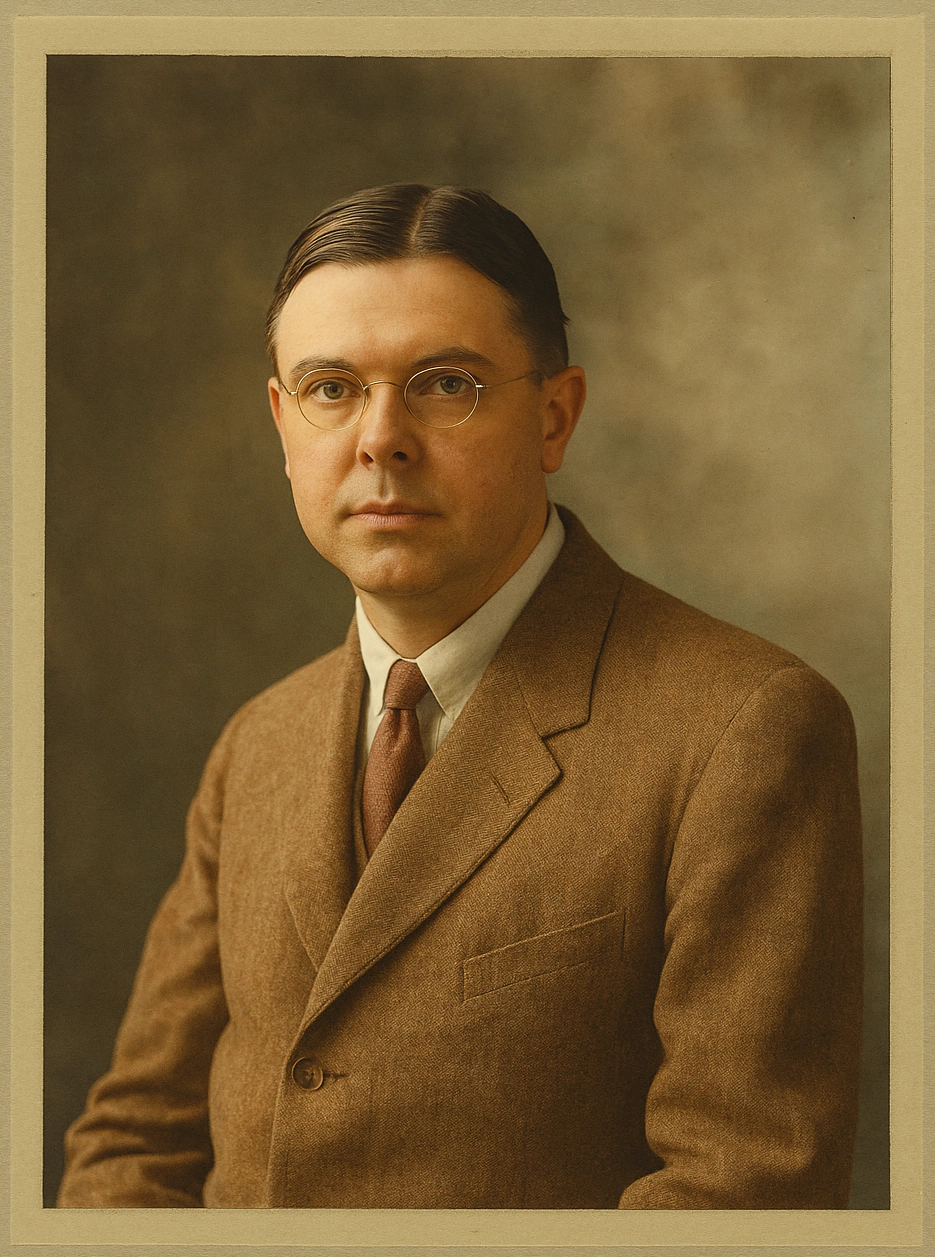
| 6 Quotes | |
| Born as | Frederick Carl Frieseke |
| Occup. | Painter |
| From | USA |
| Born | April 7, 1874 Owosso, Michigan, United States |
| Died | August 24, 1939 Le Mesnil-sur-Blangy, Normandy, France |
| Aged | 65 years |
| Cite | |
Citation Formats
APA Style (7th ed.)
Frederick c. frieseke biography, facts and quotes. (2026, February 11). FixQuotes. https://fixquotes.com/authors/frederick-c-frieseke/
Chicago Style
"Frederick C. Frieseke biography, facts and quotes." FixQuotes. February 11, 2026. https://fixquotes.com/authors/frederick-c-frieseke/.
MLA Style (9th ed.)
"Frederick C. Frieseke biography, facts and quotes." FixQuotes, 11 Feb. 2026, https://fixquotes.com/authors/frederick-c-frieseke/. Accessed 12 Feb. 2026.
Early Life and Training
Frederick Carl Frieseke was born in 1874 in Owosso, Michigan, and came of age during the moment when American artists were looking to Europe for new models of color and light. Drawn to art early, he left the Midwest to study at the School of the Art Institute of Chicago and then continued his training in New York. Like many ambitious American painters of his generation, he supported himself with illustration work while preparing for the transition to Europe, where the center of the art world still beckoned.In the late 1890s he settled in Paris, enrolling at the Academie Julian and then at the short-lived Academie Carmen, where James McNeill Whistler's emphasis on tone, design, and the harmony of color left a lasting imprint. These formative years were a crucible in which he absorbed French academic discipline while gravitating toward the freer brushwork and luminosity of Impressionism.
Paris and the Giverny Circle
Frieseke exhibited in Paris and spent much of his career in France, yet he kept strong connections to American colleagues and collectors. Around the first decade of the twentieth century he joined the expatriate American community at Giverny, the Normandy village associated with Claude Monet. There, in proximity to Monet's famed gardens, he embraced open-air painting and the intricate challenges of dappled light. He worked alongside fellow Americans including Richard E. Miller, Theodore Earl Butler, Guy Rose, Lawton S. Parker, and others who, while indebted to French Impressionism, pursued distinctly personal interpretations of color and atmosphere.Giverny offered Frieseke both a subject and a laboratory. The interplay of sunlight filtering through trees and onto skin, fabrics, and flowers became central to his efforts. He spent summers immersed in garden motifs and returned to Paris in other seasons, maintaining a rhythm that balanced sociable artistic exchange with sustained studio practice.
Subjects, Style, and Technique
Frieseke became known for radiant canvases featuring women in gardens, verandas, and domestic interiors, as well as bathers and intimate scenes that melded figure painting with decorative pattern. Works such as The Garden Parasol and The Bathers exemplify his command of shimmering color and the orchestration of patterned textiles, floral forms, and flesh under raking light. The influence of Whistler's design sensibility is evident in his attention to arrangement and tonal unity, while the legacy of Monet and French Impressionism emerges in his vibrant palette and sensitivity to transient effects.Rather than pursuing fleeting atmospheric notation alone, he often built compositions that balance spontaneity with a carefully calibrated structure. Fabrics, screens, and parasols operate as formal devices, modulating light and creating layered planes. This emphasis on design aligns him with an American tendency toward decorative impressionism, where pleasure in surface and pattern coexists with rigorous pictorial planning.
Professional Recognition
By the early twentieth century Frieseke was exhibiting regularly in France and the United States, winning honors and attracting collectors who sought modern yet accessible scenes of leisure and beauty. New York dealers, notably the Macbeth Gallery, helped introduce his work to American patrons who were receptive to Impressionism's color but appreciative of the refined subjects and craftsmanship he offered. He participated in prominent salons and international expositions, and his reputation grew on both sides of the Atlantic as a leading American Impressionist working in France.Personal Life and Working Relationships
Frieseke married Sarah (Sadie) O'Bryan, who frequently modeled for his paintings and whose presence informed the intimacy and poise of many of his interiors and garden scenes. Their partnership, both domestic and professional, was integral to the development of compositions that required patience and sustained collaboration between painter and sitter. Beyond his household, his artistic circle in Giverny and Paris, anchored by figures such as Claude Monet and peers like Richard E. Miller and Theodore Earl Butler, provided camaraderie and a shared pursuit of light-driven aesthetics.Later Years and Legacy
During and after World War I, Frieseke remained in France, working increasingly in Normandy while continuing to exhibit internationally. His later paintings preserve the core of his vision, luminous color, patterned surfaces, and the humane portrayal of private moments, while subtly simplifying forms and deepening the orchestration of light. He died in France in 1939, closing a career that had bridged the transatlantic exchange of ideas at the height of Impressionism's influence.Frieseke's legacy rests on his ability to synthesize American and French sensibilities: the decorative and the observational, the intimate and the sun-struck. His work affirmed the vitality of Impressionism well into the twentieth century and helped define the path of American artists who found their mature voices in France. Today he is recognized as a central figure of the Giverny colony and as one of the most accomplished American painters to transform the lessons of Monet and Whistler into a personal language of light.
Our collection contains 6 quotes written by Frederick, under the main topics: Motivational - Truth - Goal Setting - Work - Free Will & Fate.
Frequently Asked Questions
- Frederick Carl Frieseke Hollyhocks: An Impressionist garden scene of a woman among hollyhocks in Giverny, oil on canvas, c. 1911-1912.
- Frederick Carl Frieseke paintings: American Impressionist works of sunlit gardens and women at Giverny; notable pieces include The Garden Parasol and Hollyhocks.
- How old was Frederick C. Frieseke? He became 65 years old
Source / external links