
George Clymer Biography Quotes 1 Report mistakes
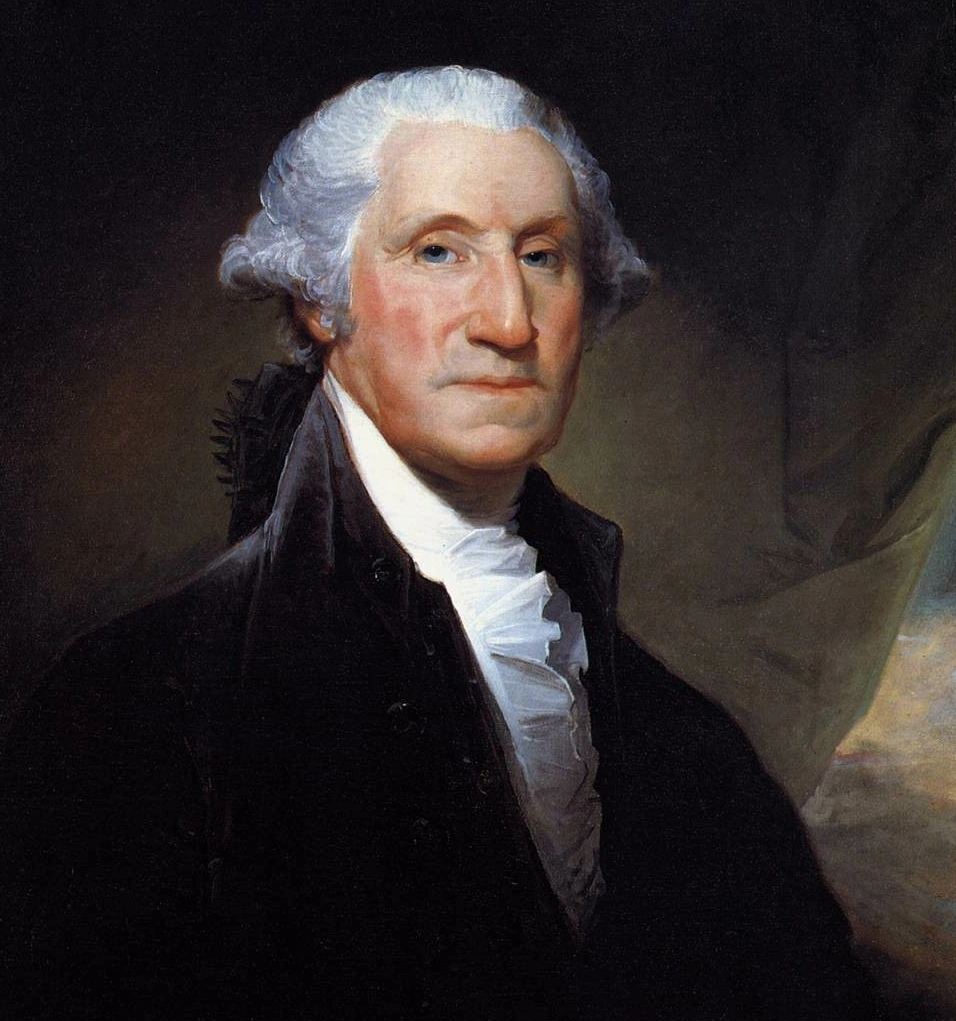
| 1 Quotes | |
| Occup. | Politician |
| From | USA |
| Born | March 16, 1739 Philadelphia, Pennsylvania |
| Died | January 23, 1813 Morrisville, Pennsylvania |
| Aged | 73 years |
| Cite | |
Citation Formats
APA Style (7th ed.)
George clymer biography, facts and quotes. (2026, February 11). FixQuotes. https://fixquotes.com/authors/george-clymer/
Chicago Style
"George Clymer biography, facts and quotes." FixQuotes. February 11, 2026. https://fixquotes.com/authors/george-clymer/.
MLA Style (9th ed.)
"George Clymer biography, facts and quotes." FixQuotes, 11 Feb. 2026, https://fixquotes.com/authors/george-clymer/. Accessed 5 Mar. 2026.
Early Life and Background
George Clymer was born on March 16, 1739, in Philadelphia, Province of Pennsylvania, into a mercantile world defined by Atlantic trade, credit, and the precarious politics of empire. Orphaned young, he was taken in by his maternal aunt and uncle, William and Hannah Coleman, a well-connected Quaker-leaning merchant family whose household blended piety, practical bookkeeping, and a steady suspicion of arbitrary power.Philadelphia in Clymer's youth was both commercial hub and political workshop: print shops, wharves, and meetinghouses fed a public sphere unusually literate and argumentative. The city also stood at a moral crossroads, where prosperity sat uneasily beside slavery and the alcohol trade, and where imperial wars and revenue measures repeatedly forced colonists to decide whether order meant loyalty or self-government.
Education and Formative Influences
Clymer did not follow a classical college track; his education was largely private and commercial, shaped by the Colemans' tutelage and by early immersion in trade, correspondence, and accounts. That training mattered: it taught him how power moved through ledgers and law, how scarcity and taxation could radicalize ordinary people, and how networks of trust could become political infrastructure once the imperial crisis sharpened after the Stamp Act and later Townshend duties.Career, Major Works, and Turning Points
By the 1760s and early 1770s Clymer was a prosperous merchant and emerging civic leader, serving on Philadelphia committees that organized resistance to British policy and later on Pennsylvania's revolutionary bodies. He became a Continental Congressman and, on August 2, 1776, signed the Declaration of Independence, helping translate local protest into national rupture. During the war he handled finance and supply questions, served on the Continental Board of Treasury, and navigated the era's constant tension between patriotic necessity and fiscal collapse. After independence he was a key Pennsylvania voice at the Constitutional Convention of 1787 and signed the Constitution; he then served in the first US House of Representatives (1789-1791), chaired the Committee of Ways and Means, and lent credibility to the new government's revenue system. In later years he acted as a diplomat of the early republic, including a mission to the Creek and Cherokee in 1796, and served on the commission that helped negotiate the 1797 Treaty of Coleraine, a reminder that the United States' constitutional ideals were inseparable from contested frontiers.Philosophy, Style, and Themes
Clymer's inner life, as far as the record permits, reads as disciplined and managerial rather than theatrical: a merchant-statesman who trusted systems, balanced incentives, and the slow work of institutions. His politics were less about oratory than about solvency, credit, and legitimacy - the conviction that republican liberty would not survive if the government could not pay soldiers, regulate commerce, or enforce law. That temperament placed him among the founders who feared both imperial overreach and populist volatility, seeking a framework that could absorb conflict without collapsing.Yet his sensibility also carried the moral contradictions of his class and time, and he could be sharply revealing in private reflection. “Among the expected glories of the Constitution, next to the abolition of Slavery was that of Rum”. The line compresses a great deal of psychology: a reformer's itch for improvement, an Enlightenment belief that constitutions could shape habits, and a telling hierarchy of vices and institutions. It also hints at the early republic's moral economy - slavery and spirits as twin engines of profit and disorder - and at Clymer's preference for structural cures over sentimental appeals. For him, the Constitution was not merely a charter of rights but an instrument for national self-control, capable of curbing entrenched interests when politics alone would not.
Legacy and Influence
Clymer's enduring influence lies in the less glamorous architecture of the founding: finance, revenue, and administrative capacity, the unromantic tools that made independence governable. As a signer of both the Declaration and the Constitution, he embodied the arc from rebellion to institution-building, and his work in Congress helped normalize the idea that representative government must also be competent government. His life captures a central American transition - from merchant colonies to a fiscal-military republic - and his reputation, quieter than many contemporaries, persists as a reminder that revolutions endure only when someone can keep the books, write the rules, and accept the burdens of compromise.Our collection contains 1 quotes written by George, under the main topics: Human Rights.
Source / external links