
George Herbert Biography Quotes 45 Report mistakes
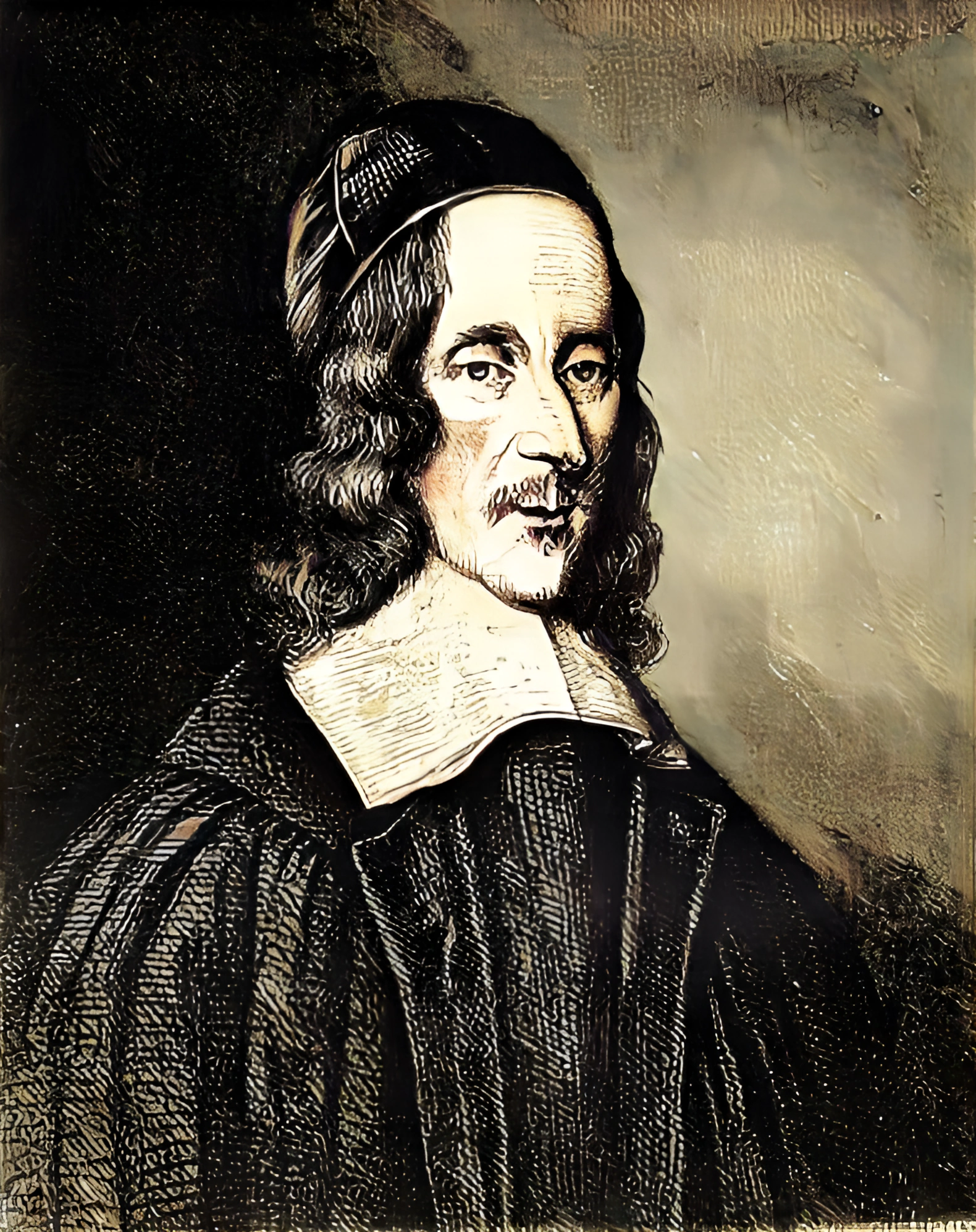
| 45 Quotes | |
| Occup. | Poet |
| From | United Kingdom |
| Born | April 3, 1593 United Kingdom |
| Died | March 1, 1633 United Kingdom |
| Aged | 39 years |
| Cite | |
Citation Formats
APA Style (7th ed.)
George herbert biography, facts and quotes. (2026, February 11). FixQuotes. https://fixquotes.com/authors/george-herbert/
Chicago Style
"George Herbert biography, facts and quotes." FixQuotes. February 11, 2026. https://fixquotes.com/authors/george-herbert/.
MLA Style (9th ed.)
"George Herbert biography, facts and quotes." FixQuotes, 11 Feb. 2026, https://fixquotes.com/authors/george-herbert/. Accessed 12 Feb. 2026.
Early Life and Background
George Herbert was born 3 April 1593 into a prominent Welsh-border gentry family and grew up within the cultural orbit of the Jacobean court. His father, Richard Herbert of Montgomeryshire, died when George was still a boy, leaving the household to the formidable Magdalen Herbert, a patron of divines and poets. She made her home a school of piety and language, and her connections drew in figures such as John Donne, who would become both model and spur to Herbert's own ambitions.The England of Herbert's childhood and youth was a nation still settling the Elizabethan religious settlement while watching the horizon darken with confessional conflict in Europe. Courtly advancement, ecclesiastical power, and learned reputation interlocked; for a gifted younger son, letters were not merely ornament but a possible ladder. Herbert learned early the double vision that marks his life: the world as theatre of honor and office, and the soul as an arena where desire and duty contend under God.
Education and Formative Influences
He entered Trinity College, Cambridge (matriculating 1609), where he excelled in rhetoric and oratory, became a fellow, and rose to Public Orator in 1620 - a post that tied him to royal policy as well as humanist display. Cambridge trained his ear for proportion, his mind for argument, and his conscience for scrutiny; Donne's example showed how secular wit could be turned to sacred ends without losing edge. Yet Herbert also absorbed the devotional discipline and sacramental seriousness associated with the Church of England's "high" piety, tendencies later identified with the Laudian moment.Career, Major Works, and Turning Points
Herbert pursued a path that at first aimed toward court preferment: he wrote flattering Latin and English verses, addressed King James I, and cultivated patrons. His mother died in 1627, and the following years brought a quiet recalibration: ill health, the instability of patronage, and a deepening sense that ambition could not heal restlessness. After ordination (1630), he accepted the small rural living of Bemerton, near Salisbury, serving as rector with an intensity that made the parish a spiritual workshop. There he completed much of the devotional verse later published as The Temple (1633), and the practical pastoral manual A Priest to the Temple (also known as The Country Parson, published 1652). Near death, he sent The Temple to Nicholas Ferrar at Little Gidding, asking that it be printed only if it might "turn to the advantage of any dejected poor soul".Philosophy, Style, and Themes
Herbert's inner life is best read through the tensions his poems dramatize: the mind trained to shine in public, the heart determined to be mastered in private. His faith is not placid but negotiated line by line, as if prayer were both petition and trial. Aphoristic moral clarity runs through him - "Hell is full of good meanings and wishings". - a sentence that fits Herbert's suspicion of pious intention untested by obedience. The poet who could perform brilliantly as Cambridge orator becomes, in Bemerton, the craftsman of daily fidelity, where holiness is proved by what one actually does.Stylistically he is a supreme maker: tight stanza forms, sudden turns of syntax, and visual ingenuity (as in shaped poems like "Easter Wings") are not games but instruments for spiritual perception. Herbert repeatedly stages the self as divided, then re-tuned by grace; he treats suffering as a pedagogy rather than a mere misfortune. "Storms make the oak grow deeper roots". suits his recurrent movement from complaint to groundedness, where affliction drives the soul down into dependence. Even his practical counsel tends toward disciplined moderation - "Be thrifty, but not covetous". - echoing the way his poems prize ordered desire, not extinguished desire, and insist that love becomes freer when it is governed.
Legacy and Influence
Herbert died 1 March 1633, only thirty-nine, but The Temple quickly secured him a central place among the English metaphysical poets, offering a model of devotion that is intellectually exacting without being icy. His blend of plain pastoral duty and intricate poetic workmanship influenced Anglican spirituality for centuries, shaping hymnody and the cadence of later religious verse; writers from Henry Vaughan to Gerard Manley Hopkins found in him a precedent for wrestling language into prayer. Herbert endures because his poems do not sentimentalize faith: they anatomize distraction, pride, fear, and gratitude with surgical gentleness, leaving readers with the sense that spiritual life is less a mood than a practiced art, made credible by the integrity of the life behind it.Our collection contains 45 quotes written by George, under the main topics: Motivational - Ethics & Morality - Wisdom - Love - Leadership.
Other people related to George: Izaak Walton (Writer), Howard Carter (Scientist), Andrew Marvell (Writer), Henry Vaughan (Poet)
George Herbert Famous Works
- 1652 The Country Parson (Book)
- 1640 Outlandish Proverbs (Book)
- 1633 The Temple (Book)
Source / external links