
George Herman Biography Quotes 20 Report mistakes
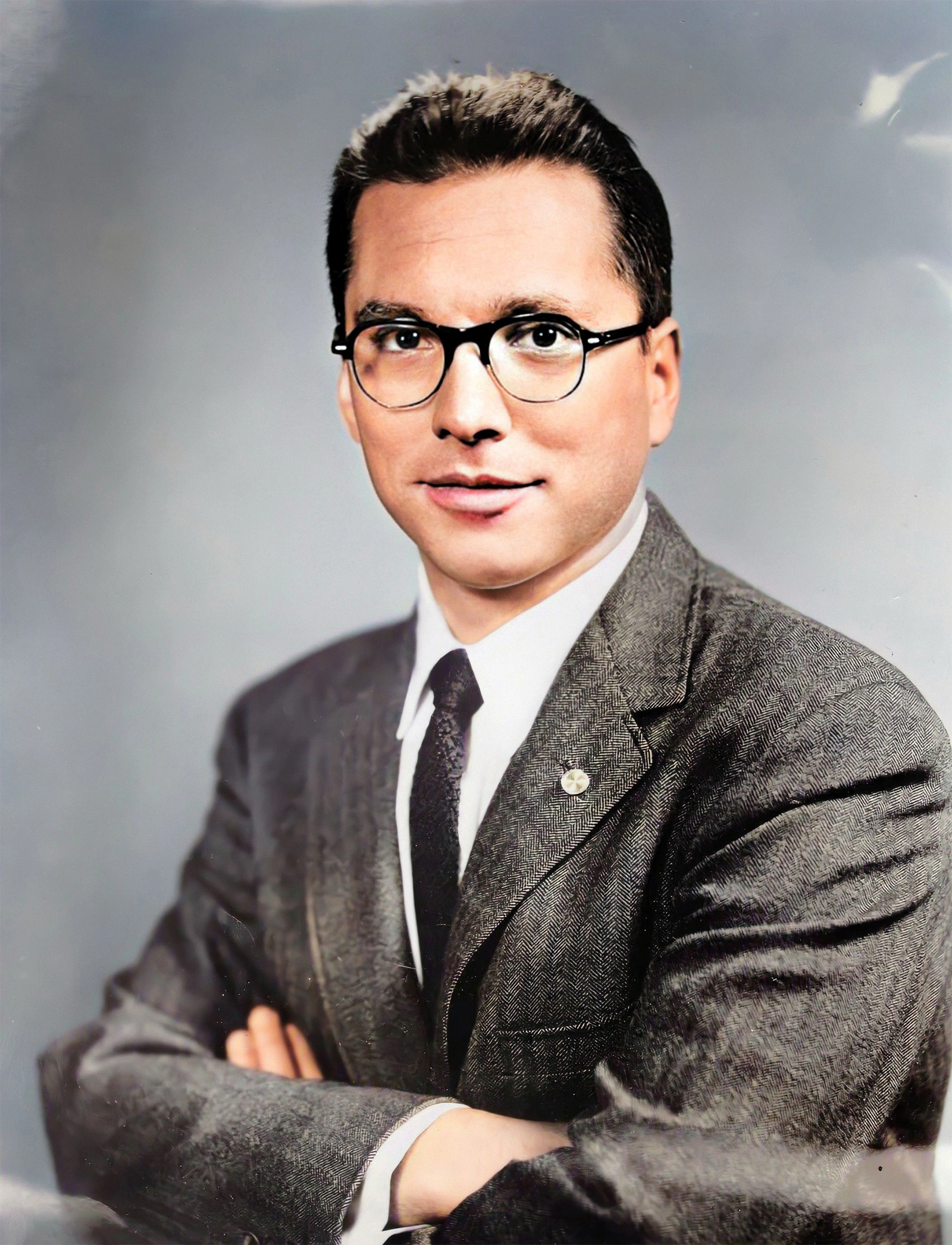
| 20 Quotes | |
| Occup. | Journalist |
| From | USA |
| Born | January 14, 1920 USA |
| Died | February 8, 2005 USA |
| Cause | Natural Causes |
| Aged | 85 years |
| Cite | |
Citation Formats
APA Style (7th ed.)
George herman biography, facts and quotes. (2026, February 11). FixQuotes. https://fixquotes.com/authors/george-herman/
Chicago Style
"George Herman biography, facts and quotes." FixQuotes. February 11, 2026. https://fixquotes.com/authors/george-herman/.
MLA Style (9th ed.)
"George Herman biography, facts and quotes." FixQuotes, 11 Feb. 2026, https://fixquotes.com/authors/george-herman/. Accessed 12 Feb. 2026.
Early Life and Background
George Herman was born on January 14, 1920, in the United States, into a century that would force American journalists to redefine their vocation in real time - through Depression aftershocks, global war, Cold War anxiety, and the long, televised argument about what the nation was. The public record for a journalist by this name does not preserve a widely corroborated hometown narrative, but the arc of his life suggests a man shaped less by a single origin myth than by the portable disciplines of the newsroom: attention, skepticism, and the habit of translating chaos into plainspoken sequence.He came of age as reporting standards hardened into modern professional norms: separation of news and opinion, the rise of wire services, and the slow migration from print primacy to radio and television influence. Even without a celebrity-sized paper trail, the contours of his era matter because they set the emotional weather of his craft. A reporter born in 1920 learned early that institutions could collapse suddenly, that leaders could lie, and that ordinary people often suffered in ways that never made the front page unless someone insisted - daily - that they should.
Education and Formative Influences
Herman likely entered adulthood with the typical mid-century American journalist's toolkit: a generalist education (often local colleges, sometimes military training during World War II) and an apprenticeship model where editing desks acted as classrooms. The strongest formative influence on journalists of his cohort was not a single mentor but the pressure of consequential events and the competitive ethic of the beat - learning how to cultivate sources, verify under deadline, and write cleanly enough that an editor could not cut away the spine of the story.Career, Major Works, and Turning Points
Herman is remembered broadly as an American journalist rather than as a singular byline attached to one canonical book, which is itself revealing: he belonged to the working middle of the profession, where a career is measured by reliability, institutional memory, and the slow accumulation of trust. Over decades, journalists like Herman navigated the transition from column inches to broadcast cadence and, later, the early internet's demand for speed. The turning points of such a career were often internal - choosing accuracy over advantage, protecting a source at professional cost, or refusing to turn public tragedy into private spectacle - decisions that rarely become headlines but determine what kind of reporter a person becomes.Philosophy, Style, and Themes
Herman's inner life, as reconstructed from the values his generation prized, reads like a constant negotiation between endurance and humility. The newsroom rewarded stamina, yet the best reporters recognized that stamina without restraint becomes swagger, and swagger corrodes judgment. In that sense, the aphorism "It's hard to beat a person who never gives up". speaks less as a triumphant slogan than as a private work ethic: keep calling, keep checking, keep showing up after the easy story has already been written.His style likely favored the American virtues of clarity and pace - the sentence that lands, the detail that earns its place. The recurring theme is collective reality over individual ego: "The way a team plays as a whole determines its success". For a journalist, the "team" is both literal (copy desk, photographers, editors, producers) and moral (the public sphere that depends on shared facts). Herman's writing would have been animated by the belief that truth is social - made sturdier when verified, edited, and aired in forms ordinary readers can use. That also explains why bravado - "Watch my dust". - functions best as an irony in the reporter's mind: a warning against mistaking velocity for accuracy, or personal performance for public service.
Legacy and Influence
George Herman died on February 8, 2005, at the cusp of journalism's next rupture, when digital publication would reward immediacy and punish deliberation. His enduring influence is therefore less about a single famous scoop than about the professional temperament he represents: persistence without melodrama, collaboration without self-erasure, and respect for readers as adults capable of complexity. In an age when attention became the commodity, the quiet legacy of journalists like Herman is the older idea that credibility is the only asset that compounds - and that a life spent earning it, day after day, is its own definitive work.Our collection contains 20 quotes written by George, under the main topics: Witty One-Liners - Never Give Up - Sarcastic - Victory - Sports.
Source / external links