
George Rogers Clark Biography Quotes 3 Report mistakes
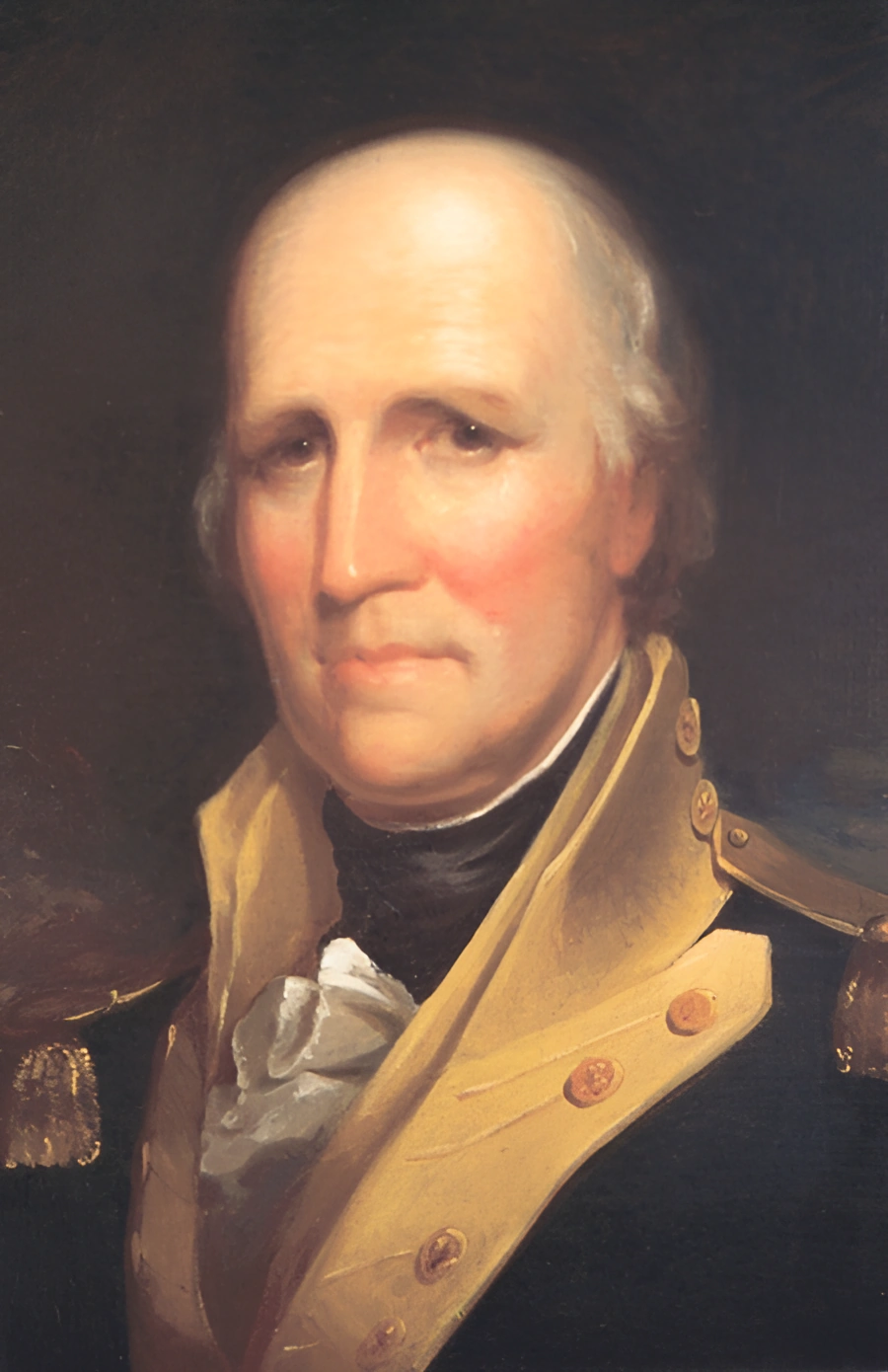
| 3 Quotes | |
| Occup. | Soldier |
| From | USA |
| Born | November 19, 1752 Albemarle County, Virginia |
| Died | February 13, 1818 Louisville, Kentucky |
| Aged | 65 years |
| Cite | |
Citation Formats
APA Style (7th ed.)
George rogers clark biography, facts and quotes. (2026, February 11). FixQuotes. https://fixquotes.com/authors/george-rogers-clark/
Chicago Style
"George Rogers Clark biography, facts and quotes." FixQuotes. February 11, 2026. https://fixquotes.com/authors/george-rogers-clark/.
MLA Style (9th ed.)
"George Rogers Clark biography, facts and quotes." FixQuotes, 11 Feb. 2026, https://fixquotes.com/authors/george-rogers-clark/. Accessed 6 Mar. 2026.
Early Life and Background
George Rogers Clark was born November 19, 1752, in Albemarle County, Virginia, into a large, land-hungry planter family living on the edge of imperial expansion. The Clarks belonged to the tidewater gentry in aspiration more than in secure wealth, and their restlessness mirrored a colony pushing past the Blue Ridge. That temperament ran through the siblings: his younger brother William would later join the national epic of exploration, while George formed earlier in the harsher school of contested frontiers.In the 1760s the family moved west to Caroline County, then nearer the Piedmont-Blue Ridge corridor where survey lines, debt, and land titles were everyday speech. Clark learned that authority was often distant and improvisation close at hand. The era taught him two simultaneous loyalties - to Virginia as a political home, and to the Ohio Valley as a future - and it also taught him that violence in the backcountry was not episodic but structural, intensified by the French and Indian War's aftermath, contested treaties, and settler-Indian reprisals.
Education and Formative Influences
Clark had limited formal schooling, but he acquired the frontier professional education that mattered: surveying, militia organization, and the reading of terrain. By 1772 he was in Kentucky as a surveyor, absorbing the practical arithmetic of land speculation and the psychological strain of isolated stations. The collapse of imperial certainty in 1774-1775 - Dunmore's War, then revolution - turned his local experience into political purpose: if eastern assemblies could not defend western settlers, a commander who understood the woods might have to make the case with results.Career, Major Works, and Turning Points
Clark became the defining American officer of the Illinois Country campaign in the Revolutionary War. In 1777 he carried Kentucky petitions to Williamsburg and won Governor Patrick Henry's covert backing for an expedition that would strike British-allied posts beyond the Appalachians; in 1778 he seized Kaskaskia and then Vincennes, using speed, intimidation, and promises of protection to detach French residents from British influence. The winter march and surprise retaking of Fort Sackville at Vincennes in February 1779 made his reputation and helped secure American bargaining power in the Northwest at the Treaty of Paris (1783). Yet the victory curdled into a long, grinding afterlife: quarrels over reimbursement, ambiguous land grants, and a series of frontier commands during the 1780s that were politically useful to others but financially ruinous to him. By the 1790s he was shadowed by debt and by controversies surrounding schemes in the Mississippi Valley, and after a 1809 stroke and the amputation of a leg, he spent his final years dependent on family in Louisville, Kentucky, dying February 13, 1818.Philosophy, Style, and Themes
Clark's inner life reads like the frontier itself - audacious, transactional, and haunted by the knowledge that states praise with rhetoric and pay with delay. His command style prized shock and certainty: he believed that a small force could become a large force if it acted as though destiny had already decided. The famous moment at Vincennes, “I am George Rogers Clark. You have just become a prisoner of the Commonwealth of Virginia”. , is less a flourish than a doctrine: legitimacy could be declared into being, and fear could substitute for numbers. He understood the politics of perception - among British officers, among French villagers, among wavering Indian nations - and he used it as deliberately as gunpowder.But his later words reveal the cost of living on credit - moral credit, political credit, and literal credit. When presented with ceremonial recognition, he could sound touched by belonging: “The sword is very handsome. I am too old and infirm, as you see, to ever use a sword again, but I am glad that my old mother state has not entirely forgotten me”. Yet he could also pivot to rage at symbolic recompense: “Damn the sword! When Virginia wanted a sword, I gave her one. Now she sends me a toy! I require bread!” Taken together, the two responses sketch a man split between stoic identity and raw need - proud of service, humiliated by dependence, and psychologically unable to translate wartime initiative into peacetime security. His theme was the frontier bargain: risk everything, win a continent, and then negotiate endlessly for recognition from institutions that prefer tidy ledgers to messy victories.
Legacy and Influence
Clark's campaign in the Illinois Country remains one of the Revolution's most strategically consequential irregular operations, shaping the map of the early United States by helping anchor claims north of the Ohio River. He became a prototype of the American frontier commander - charismatic, improvisational, and politically vulnerable once the emergency passed. Counties, towns, and monuments carry his name, but his truer legacy is the paradox he embodied: the republic expanded through men who could act beyond formal structures, then often left those same men stranded when the nation turned from conquest to administration.Our collection contains 3 quotes written by George, under the main topics: Legacy & Remembrance - War.
Source / external links