
George Santayana Biography Quotes 89 Report mistakes
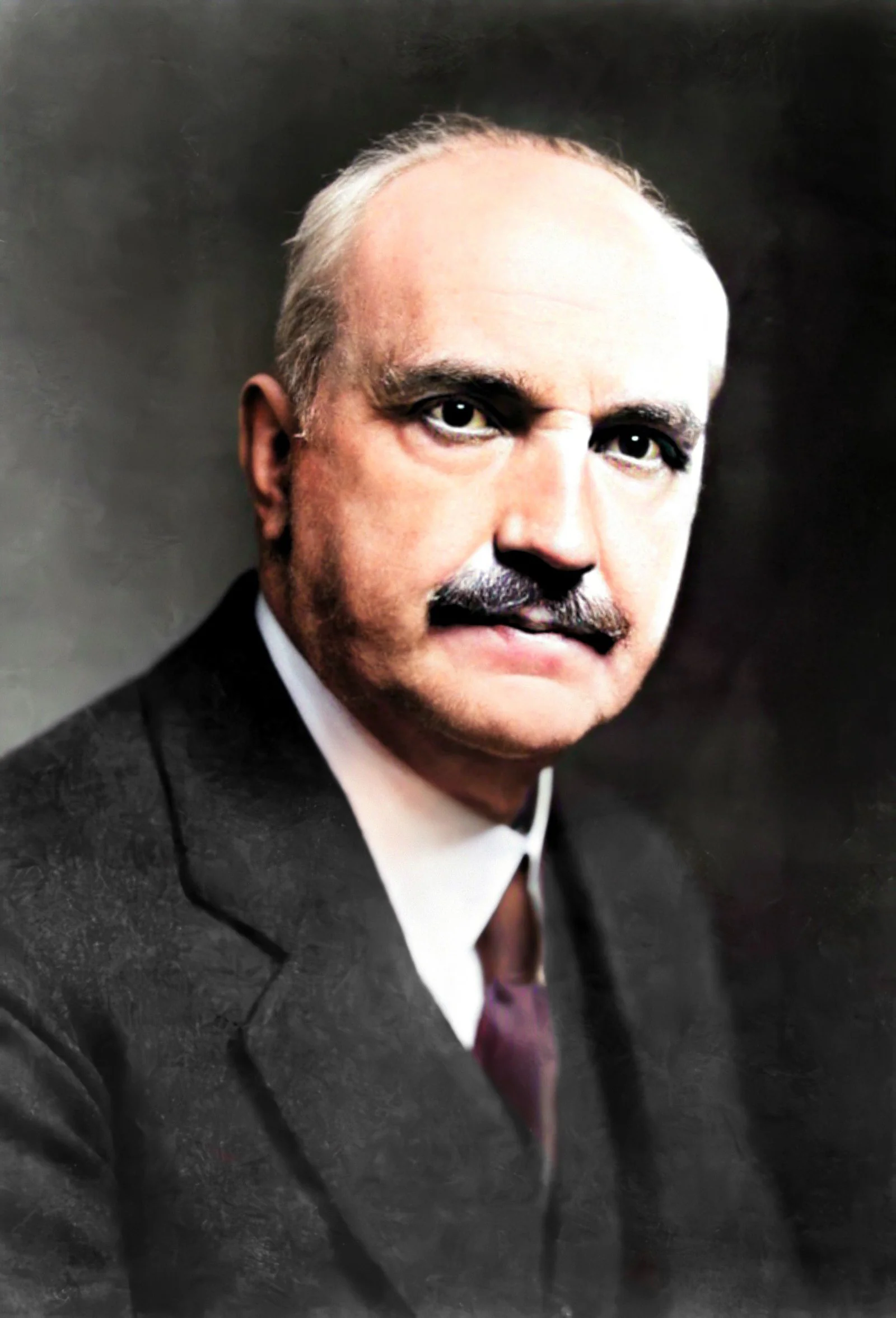
| 89 Quotes | |
| Born as | Jorge Agustín Nicolás Ruiz de Santayana y Borrás |
| Occup. | Philosopher |
| From | USA |
| Born | December 16, 1863 Madrid, Spain |
| Died | September 26, 1952 Rome, Italy |
| Cause | Natural Causes |
| Aged | 88 years |
| Cite | |
Citation Formats
APA Style (7th ed.)
George santayana biography, facts and quotes. (2026, February 1). FixQuotes. https://fixquotes.com/authors/george-santayana/
Chicago Style
"George Santayana biography, facts and quotes." FixQuotes. February 1, 2026. https://fixquotes.com/authors/george-santayana/.
MLA Style (9th ed.)
"George Santayana biography, facts and quotes." FixQuotes, 1 Feb. 2026, https://fixquotes.com/authors/george-santayana/. Accessed 25 Mar. 2026.
Early Life and Background
George Santayana was born Jorge Agustin Nicolas Ruiz de Santayana y Borras on December 16, 1863, in Madrid, into a family split between Spanish tradition and the Atlantic pull of the United States. His mother, Josefina Borras, had previously been married to a Boston merchant, George Sturgis; after returning to Spain widowed, she married Agustin Ruiz de Santayana, a minor official and painter. The child inherited his fathers cast of mind - reserved, aesthetic, fatalistic - and his mothers practical tie to New England.In 1869 Josefina took her Sturgis children back to Boston for schooling and family support; Santayana followed later, arriving in a culture whose Protestant earnestness and civic confidence never quite became his own. He learned early to live as a permanent observer: Spanish by sensibility and memory, American by training and opportunity. That doubleness - belonging everywhere and nowhere - became the emotional engine of his work, and it helped explain why, even at his most public, he remained privately solitary.
Education and Formative Influences
Educated in Boston, Santayana entered Harvard College in 1882 and remained for graduate study, taking his PhD in 1889; he also studied in Germany at Berlin and Goettingen, absorbing post-Kantian philosophy and a European sense of intellectual vocation. At Harvard he came under the influence of William James and Josiah Royce, yet he did not become a disciple: James gave him psychological acuity and respect for lived experience, while Royce sharpened his attention to systems and community. Santayanas temperament, however, ran toward classical poise, literary clarity, and a sober naturalism that resisted both religious consolation and the buoyant voluntarism of pragmatism.Career, Major Works, and Turning Points
Santayana taught philosophy at Harvard from 1889 to 1912, mentoring a generation that included poets and future public intellectuals; but the classroom never replaced the inner life of writing, and he resigned at forty-eight with financial independence and a decisive wish to live as a European man of letters. His early book The Sense of Beauty (1896) announced a rare blend of aesthetic theory and lucid prose; Interpretations of Poetry and Religion (1900) and The Life of Reason (1905-1906) built a large, naturalistic account of human aspiration shaped by habits, symbols, and institutions. The First World War and the convulsions of modern politics formed the backdrop for his mature synthesis in Scepticism and Animal Faith (1923) and the four volumes of Realms of Being (1927-1940), while his only novel, The Last Puritan (1935), transmuted his Boston years into an anatomy of moral scruple. He lived mostly in Europe - Oxford, Paris, Avila, Rome - and in old age resided in a Roman convent hospital, dying there on September 26, 1952, a Catholic by culture, not by dogma.Philosophy, Style, and Themes
Santayana called himself an aesthetic Catholic and a naturalist: nature is the given, mind is an emergent power of images and meanings, and religion is poetry mistaken for science but invaluable as symbolism. His skepticism was not corrosive but clarifying; he wanted to describe how human beings actually navigate the world, starting from instinctive trust in experience. He wrote with the cadence of an essayist and the precision of a metaphysician, making room for humor, resignation, and moral candor. His psychology is often stoic without being cold, attentive to how ideals console and how they mislead.Several of his best-known aphorisms are windows into that temperament. He distrusted the theatrical self, warning that “The highest form of vanity is love of fame”. , a judgment that fits his own retreat from academic life and from American celebrity. His historical sense was equally unsentimental: “Those who do not remember the past are condemned to repeat it”. , not as a slogan of progress but as an observation about the recurrence of human passions under new banners. And his ethic, stripped of metaphysical guarantees, is concentrated in the bracing acceptance that “There is no cure for birth and death save to enjoy the interval”. In Santayana, enjoyment does not mean distraction; it means lucid appreciation - of beauty, friendship, irony, and the fragile achievements of reason.
Legacy and Influence
Santayana endures as a bridge figure between the classical essay tradition and analytic rigor, between European pessimism and American confidence. He influenced aesthetics, philosophy of religion, and cultural criticism, and his epigrams entered public speech even among readers who never opened Realms of Being. The Last Puritan remains a key literary document of New England conscience, while his naturalism - disciplined, humane, and stylistically luminous - offers a model for thinking without transcendental props. In an age of ideological certainties, Santayana left a rarer legacy: a philosophy that prizes clear sight, civilized taste, and the courage to live meaningfully amid contingency.Our collection contains 89 quotes written by George, under the main topics: Ethics & Morality - Truth - Wisdom - Art - Friendship.
Other people related to George: E. E. Cummings (Poet), Walter Lippmann (Journalist), Van Wyck Brooks (Critic)
Frequently Asked Questions
- George Santayana history: Spanish-born American philosopher (1863–1952); Harvard professor; major works include The Life of Reason and Realms of Being; later lived in Europe; died in Rome.
- George Santayana pronunciation: san-tuh-YAH-nuh (ˌsæn-tə-ˈyɑː-nə).
- George Santayana influenced: He influenced T. S. Eliot, Wallace Stevens, Walter Lippmann, and other 20th‑century writers and philosophers.
- George Santayana famous Works: The Life of Reason; Scepticism and Animal Faith; The Realms of Being; The Last Puritan; The Sense of Beauty.
- George Santayana savage: He used “the savage” (notably in The Life of Reason) to describe pre-civilized, custom-bound mentality, as a foil to reflective reason and culture.
- George Santayana books: The Sense of Beauty; The Life of Reason; Scepticism and Animal Faith; The Realms of Being; Persons and Places.
- How old was George Santayana? He became 88 years old
George Santayana Famous Works
- 1944 Persons and Places (Memoir)
- 1935 The Last Puritan (Novel)
- 1923 Scepticism and Animal Faith (Book)
- 1905 The Life of Reason (Book)
- 1896 The Sense of Beauty (Book)
Source / external links