
George Savile Biography Quotes 28 Report mistakes
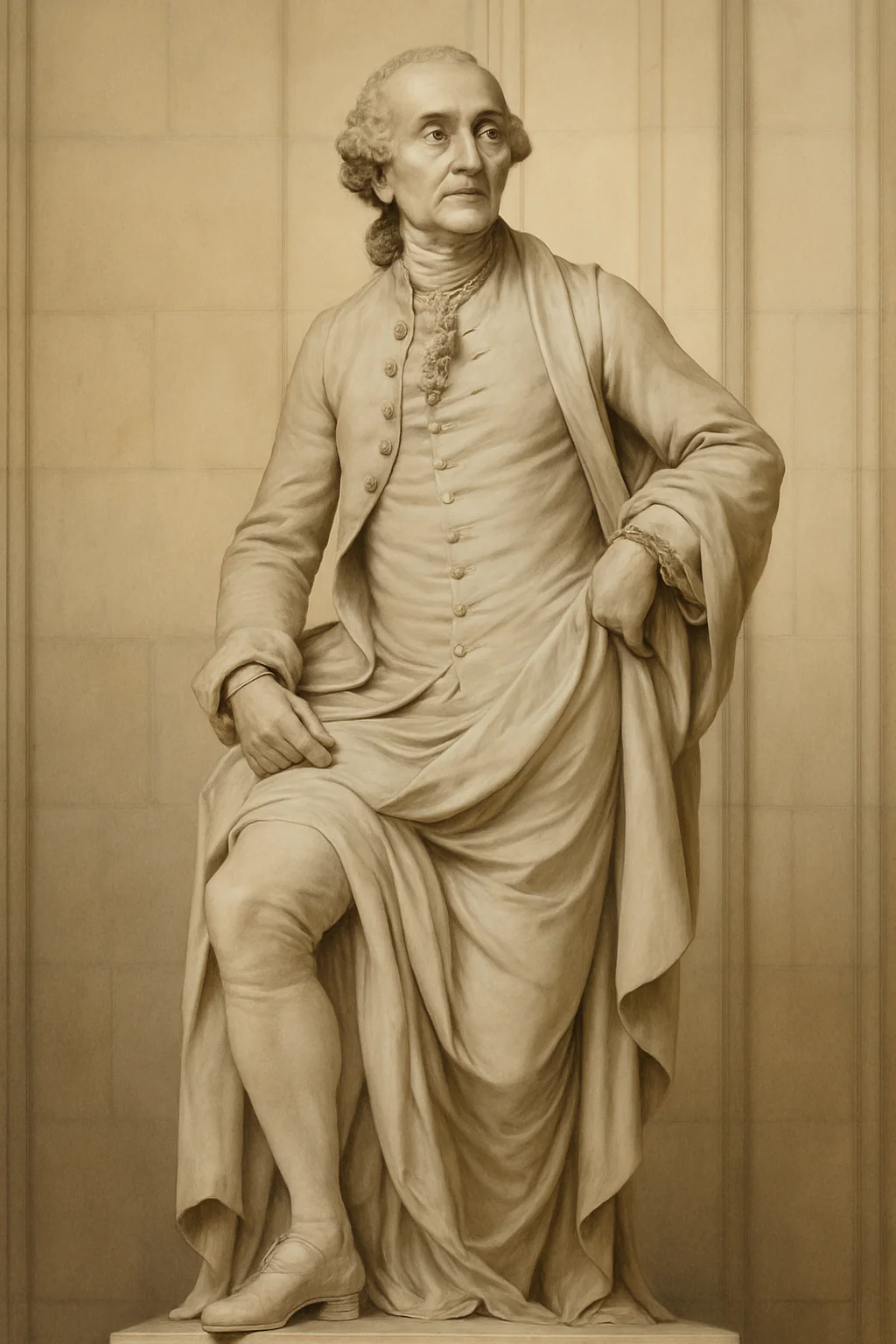
| 28 Quotes | |
| Known as | Sir George Savile, 8th Baronet |
| Occup. | Politician |
| From | England |
| Born | July 18, 1726 Savile House, London, England |
| Died | January 10, 1784 |
| Aged | 57 years |
| Cite | |
Citation Formats
APA Style (7th ed.)
George savile biography, facts and quotes. (2026, February 1). FixQuotes. https://fixquotes.com/authors/george-savile/
Chicago Style
"George Savile biography, facts and quotes." FixQuotes. February 1, 2026. https://fixquotes.com/authors/george-savile/.
MLA Style (9th ed.)
"George Savile biography, facts and quotes." FixQuotes, 1 Feb. 2026, https://fixquotes.com/authors/george-savile/. Accessed 27 Mar. 2026.
Early Life and Background
George Savile, 8th Baronet of Thornhill, was born on July 18, 1726, into a Yorkshire family whose standing rested as much on land as on a tradition of public service. Thornhill Hall sat in a county where old Whig loyalties and newer commercial fortunes met, and Savile grew up watching how influence actually traveled - through kinship, patronage, property, and the careful management of reputation.The England of his youth was ruled by Hanoverian stability that could look like complacency: Walpole-era government, the lingering aftershocks of Jacobitism, and the slow expansion of empire and credit. Savile absorbed the era's suspicion of zeal and its preference for negotiated order. From early on he cultivated a manner that contemporaries read as cool, principled, and unbribable - a stance that would later become both his shield and his weapon in Parliament.
Education and Formative Influences
Savile was educated in the conventional aristocratic pattern of the mid-18th century, with a strong grounding in classical rhetoric and the moral vocabulary of civic virtue, then broadened by travel on the Continent. The Grand Tour exposed him to European court politics and to the cultural prestige of France and Italy, but also to the fragility of states held together by fear. Those observations sharpened his preference for constitutional restraint, legal regularity, and the English habit of settling conflicts by debate rather than decree.Career, Major Works, and Turning Points
Entering the House of Commons in the 1750s and later representing Yorkshire, Savile built a reputation as an independent Whig who could not be reliably enrolled by any ministry. His parliamentary life was defined by opposition to measures he judged vindictive or corrosive to liberty: he championed relief for Protestant Dissenters and repeatedly sought to soften or repeal the Test and Corporation Acts; he supported the case for limited Catholic relief in a decade when anti-popery agitation could turn lethal; and he condemned coercive policy toward the American colonies, warning that sovereignty asserted without consent would end in ruin. The Gordon Riots of 1780 became a personal turning point: his support for a Catholic Relief Act made him a target, and his London home was attacked - a violent demonstration of how quickly popular "patriotism" could become mob persecution. He died on January 10, 1784, before the constitutional settlement that followed the American war fully clarified the limits of Crown, Commons, and public opinion.Philosophy, Style, and Themes
Savile's politics were anchored in a stern, moralized view of law: punishment and power existed to protect the public, not to gratify anger. His famous aphorism, “Men are not hanged for stealing horses, but that horses may not be stolen”. , condenses his utilitarian streak into a single chilling clarity - deterrence as the rationale for state violence, and therefore a demand that the state use that violence sparingly, intelligibly, and only for public safety. Behind the maxim lies a psychology distrustful of sentimentality: Savile believed that good intentions, unbounded by rules, were often the mask of cruelty.His style in debate was plain, pointed, and resistant to theatrical patriotism; he preferred the slow work of amendment to the intoxicating purity of sweeping denunciation. That temperament is captured in his counsel that “A man who is a master of patience is master of everything else”. Patience for Savile was not passivity but discipline - the ability to endure unpopularity, delay, and misrepresentation without surrendering principle. Yet he also recognized the cost of excessive caution in public life, warning that “He that leaveth nothing to chance will do few things ill, but he will do very few things”. The tension between these two instincts - procedural patience and the necessity of decisive risk - runs through his career: he sought reform without rupture, and liberty without the fever that could turn liberty into license.
Legacy and Influence
Savile left no single canonical book; his influence survived in speeches, parliamentary initiatives, and the moral example of an aristocrat who treated political integrity as a vocation rather than a posture. Later reformers cited him as a model of principled independence in an age of patronage, and historians of toleration remember his steady labor for Dissenters and for Catholic relief as a bridge between the post-1688 settlement and the more expansive liberties of the 19th century. If his name is less widely known than some contemporaries, his legacy is embedded in the idea that constitutional government must be strong enough to keep order yet restrained enough to deserve consent - a balance he defended even when the crowd was at his door.Our collection contains 28 quotes written by George, under the main topics: Witty One-Liners - Ethics & Morality - Wisdom - Justice - Love.
Source / external links