
Giulio Andreotti Biography Quotes 6 Report mistakes
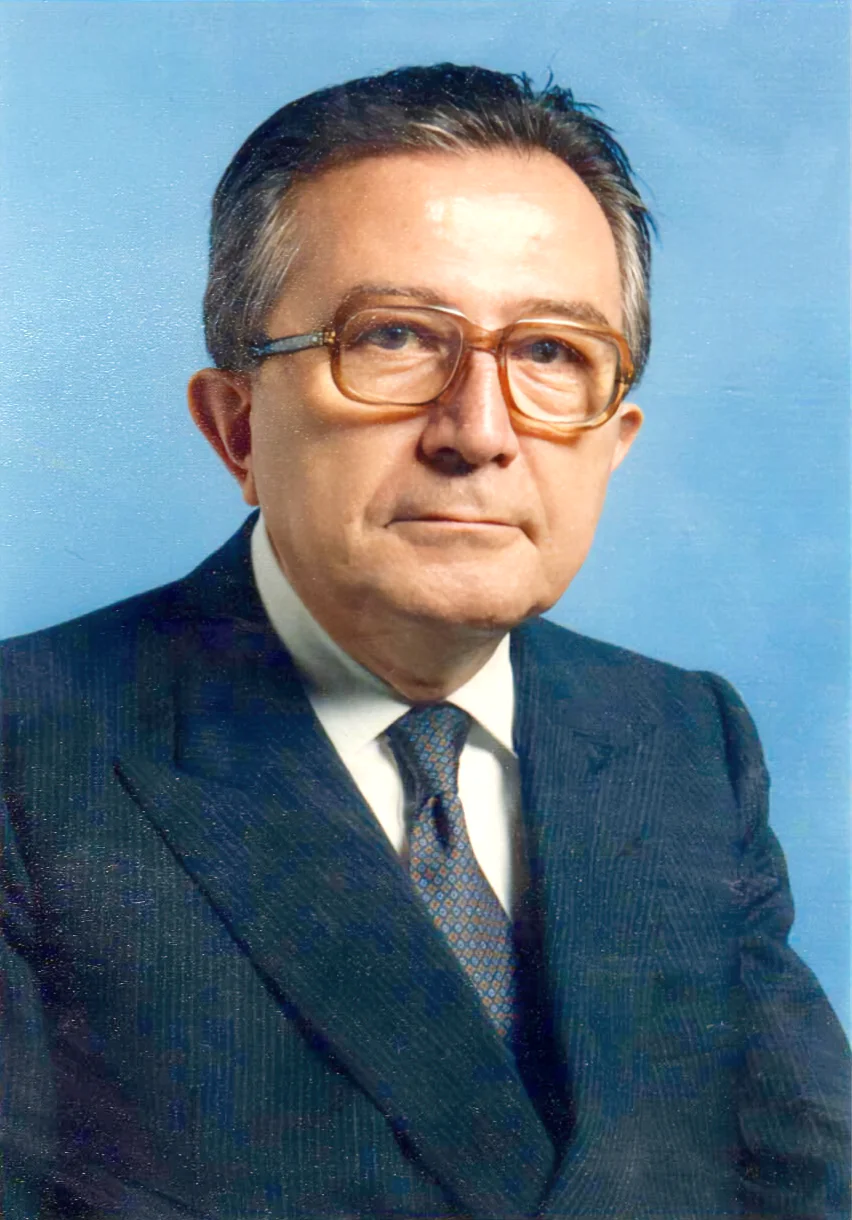
| 6 Quotes | |
| Known as | The Divine |
| Occup. | Politician |
| From | Italy |
| Spouse | Livia Danese (1945) |
| Born | January 14, 1919 Rome, Italy |
| Died | May 6, 2013 Rome, Italy |
| Aged | 94 years |
| Cite | |
Citation Formats
APA Style (7th ed.)
Giulio andreotti biography, facts and quotes. (2026, February 11). FixQuotes. https://fixquotes.com/authors/giulio-andreotti/
Chicago Style
"Giulio Andreotti biography, facts and quotes." FixQuotes. February 11, 2026. https://fixquotes.com/authors/giulio-andreotti/.
MLA Style (9th ed.)
"Giulio Andreotti biography, facts and quotes." FixQuotes, 11 Feb. 2026, https://fixquotes.com/authors/giulio-andreotti/. Accessed 11 Mar. 2026.
Early Life and Background
Giulio Andreotti was born on January 14, 1919, in Rome, in a Italy still marked by the aftershocks of World War I and the rise of Benito Mussolini. His father, a civil servant, died when Giulio was young, leaving the family to negotiate the quiet austerity of lower-middle-class life in the capital. Rome in the 1920s and 1930s offered Andreotti a front-row seat to the theater of power - Fascist spectacle in public, bureaucratic continuity in offices, and the Catholic world as a parallel civic identity.Small in stature and famously controlled in manner, he grew into a political temperament that favored observation over display. The setting mattered: Vatican influence, Fascist administration, and a dense web of Roman institutions formed a school of politics before any party card. By the time the regime collapsed and war arrived, Andreotti had learned what many Italian leaders would later relearn - that survival in Italy often depended less on grand ideology than on managing factions, allies, and the long memory of the state.
Education and Formative Influences
Andreotti studied law at Sapienza University of Rome and gravitated early to Catholic student networks that would feed directly into postwar Christian Democracy. His formative mentor was Alcide De Gasperi, the future prime minister who embodied a Catholic-democratic anti-Fascism distinct from both Marxist resistance and nostalgic authoritarianism. Wartime Rome, occupied and then liberated, sharpened Andreotti's conviction that political order required institutions and international anchoring - especially the United States and, later, NATO - even as he absorbed the Italian habit of compromise as an instrument of continuity.Career, Major Works, and Turning Points
After World War II he became one of the youngest figures in the new Republic, serving in the Constituent Assembly and rising rapidly within Democrazia Cristiana. He held a long succession of ministries - notably Defense, Interior, and Foreign Affairs - and was Prime Minister seven times between 1972 and 1992, often presiding over fragile coalitions during the years of terrorism, economic strain, and Cold War pressure. Andreotti became the emblem of the First Republic: an operator who could stabilize cabinets, arbitrate party currents, and maintain Atlantic alignment while dealing with the Vatican, business interests, and an increasingly skeptical public. His later life was dominated by judicial and historical reckonings: the long trials over alleged Mafia association (ending with convictions for some pre-1980 acts deemed time-barred and acquittals for later periods) and the recurring controversies about secret-state structures such as Gladio, which he addressed publicly amid the post-Cold War unmasking of hidden networks.Philosophy, Style, and Themes
Andreotti's psychology was built around a paradox: he cultivated invisibility while occupying the center. He spoke in aphorisms that disarmed and warned at the same time, revealing a mind that treated politics as anthropology - a study of motives, fears, and leverage. His style was bureaucratic, legalistic, and insinuating rather than charismatic; he preferred dossiers to rallies, corridors to squares. The effect was a reputation for cynicism, but also for steadiness: he became a symbol of how the Republic actually worked, not how it claimed to.His best-known remarks expose a worldview shaped by scarcity and rivalry. “Power wears out those who don't have it”. In that line is an entire theory of Italian political energy: frustration corrodes outsiders, while insiders conserve themselves through procedure and patronage. Another maxim, “You sin in thinking bad about people - but, often, you guess right”. signals his guarded intimacy with suspicion - a defensive realism formed in a country of shifting loyalties, terrorism, and clandestine bargaining. Even when he spoke about secret Cold War architectures, he framed them as contingent tools rather than moral crusades: “Gladio had been necessary during the days of the Cold War but, in view of the collapse of the East Block, Italy would suggest to Nato that the organisation was no longer necessary”. That sentence encapsulates his ethic of statecraft - necessity first, then institutional normalization when history turns.
Legacy and Influence
Andreotti died in Rome on May 6, 2013, after outlasting the world that produced him. To admirers he remains the archetype of prudent governance in a brittle parliamentary system, a man who kept Italy anchored to the West and the Catholic center through decades of violence and crisis. To critics he embodies the shadows of the First Republic - opacity, clientelism, and the proximity of legal power to illegal influence. Either way, his imprint is enduring: later Italian politics, from the collapse of Christian Democracy to the rise of new populisms, has been measured against the Andreotti model of endurance, calculation, and institutional memory - the art of staying in the room when the room keeps changing.Our collection contains 6 quotes written by Giulio, under the main topics: Truth - Wisdom - Leadership - Faith - Humility.
Other people related to Giulio: Romano Prodi (Statesman)
Source / external links