
Glenn Turner Biography Quotes 4 Report mistakes
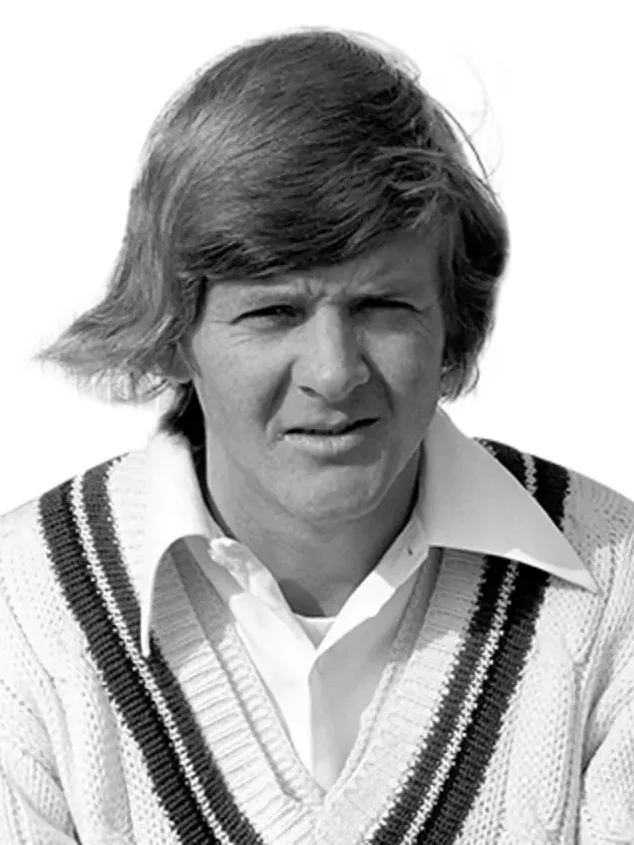
Attr: ESPNcricinfo.com
| 4 Quotes | |
| Occup. | Athlete |
| From | New Zealand |
| Born | May 26, 1947 |
| Age | 78 years |
| Cite | |
Citation Formats
APA Style (7th ed.)
Glenn turner biography, facts and quotes. (2026, February 2). FixQuotes. https://fixquotes.com/authors/glenn-turner/
Chicago Style
"Glenn Turner biography, facts and quotes." FixQuotes. February 2, 2026. https://fixquotes.com/authors/glenn-turner/.
MLA Style (9th ed.)
"Glenn Turner biography, facts and quotes." FixQuotes, 2 Feb. 2026, https://fixquotes.com/authors/glenn-turner/. Accessed 6 Mar. 2026.
Early Life
Glenn Turner was born in 1947 in Dunedin, on New Zealand's South Island, and grew up in a community where sport and study sat side by side. The southern provinces produced cricketers accustomed to seaming pitches and cool conditions, and that environment helped shape his early batting habits: a careful technique, an emphasis on judgment outside off stump, and an appetite for long stays at the crease. He came through Otago's cricket pathways, showing a seriousness of purpose that would become a hallmark of his career and, later, his public persona.Domestic and County Cricket
Turner established himself quickly in New Zealand's domestic game with Otago, then took the ambitious step, common among New Zealanders of his era, of committing to county cricket in England. At Worcestershire he became one of the most prolific run-makers in the circuit, amassing tall totals summer after summer. He joined a dressing room that, over the years, included figures such as Basil D'Oliveira and Norman Gifford, and he learned to marry New Zealand's resourceful habits with the grind of the English season. His professionalism set a standard: meticulous preparation, demanding fitness work, and a ruthless insistence on converting starts into hundreds. Among the rare achievements associated with his county years was reaching 1, 000 first-class runs before the end of May, a feat that underscored both his early-season readiness and his powers of concentration.International Career
For New Zealand, Turner became a premier opening batsman from the late 1960s into the 1970s and early 1980s. He faced the new ball against leading attacks and provided the anchoring runs around which teammates such as Bevan Congdon, Geoff Howarth, and later Richard Hadlee could build results. In one-day internationals he delivered one of New Zealand's most memorable World Cup innings, a towering unbeaten 171 in the inaugural 1975 tournament, signalling that a side known for grit also possessed a match-winning top-order presence.Turner's Test career did not always run uninterrupted. Commitments to county cricket, vital for a New Zealander seeking top-level competition and financial stability at the time, sometimes overlapped with national duties, and differences over selection and administration occasionally kept him away. Even so, when he played he gave New Zealand the kind of reliability at the top that the side had long lacked: long sessions of controlled batting, the willingness to blunt the new ball, and a knack for making the opposition tire first.
Style, Method, and Reputation
Turner's batting style was austere, disciplined, and efficient. He left well, punished anything overpitched or short, and prided himself on conditioning. He did not chase fashion; he chased outcomes. The result was a body of first-class work that placed him among New Zealand's most accomplished run-scorers and an international reputation as a difficult wicket to dislodge. He could bat all day and then return the next morning seemingly unchanged in rhythm or resolve.His standards extended beyond the boundary. Teammates and opponents alike regarded him as forthright, quick to praise good practice and equally quick to challenge what he felt was complacency. In New Zealand teams he shared dressing rooms with cricketers who became cornerstones of the national game, including the young Richard Hadlee, whose rise as a fast bowler aligned with Turner's insistence on professionalism and preparation.
Leadership, Coaching, and Advocacy
After his peak playing years, Turner remained active in New Zealand cricket in coaching and administrative capacities. He brought the same exacting standards to those roles, advocating for structures that would better support elite performance in a small cricketing nation. His views, shaped by long county seasons and exposure to high-volume first-class cricket, emphasized skill development, mental toughness, and accountability. Though debates about selection, touring priorities, and player welfare could be robust, his influence helped push conversations toward higher expectations and better resourcing.Personal Life and Relationships
Turner's family connections knit sport, letters, and civic life together. His brother Brian Turner became one of New Zealand's notable poets and essayists and, like Glenn, carried a deep affinity for the outdoors and competitive sport. Through the next generation, the family's sporting thread continued with nephew Greg Turner, a successful professional golfer with an international career. Glenn's marriage to Sukhi Turner added a civic dimension to the family story; she later served as Mayor of Dunedin, bringing her own profile and commitments to public service. Friends and colleagues often noted that this network of relationships gave Glenn a grounded perspective beyond the boundary, balancing the solitude and intensity of batting with wider interests and responsibilities.Legacy
Glenn Turner stands as one of New Zealand's defining top-order cricketers, a player whose county achievements and international innings elevated expectations for what a New Zealand batsman could accomplish. He set standards through method and mindset, demonstrating that sustained excellence was attainable for players from a small cricket market if they embraced professionalism and relentless preparation. His example influenced teammates and successors, and his later roles kept him engaged in the project of improving New Zealand cricket's pathways.In the arc of the country's sporting history, Turner's name sits alongside peers and colleagues who helped transform New Zealand from plucky underdog to consistently respected competitor. He did it with runs, many of them, and with a clear insistence on doing things properly, whether at Otago, at Worcestershire with stalwarts like Basil D'Oliveira and Norman Gifford nearby, or in national colours beside figures such as Bevan Congdon, Geoff Howarth, and Richard Hadlee. The imprint is lasting: a template of preparation, patience, and purpose that continues to resonate with New Zealand cricketers and coaches who value craft as much as flair.
Our collection contains 4 quotes written by Glenn, under the main topics: Witty One-Liners - Anxiety - Privacy & Cybersecurity.