
Greg Akcelrod Biography Quotes 5 Report mistakes
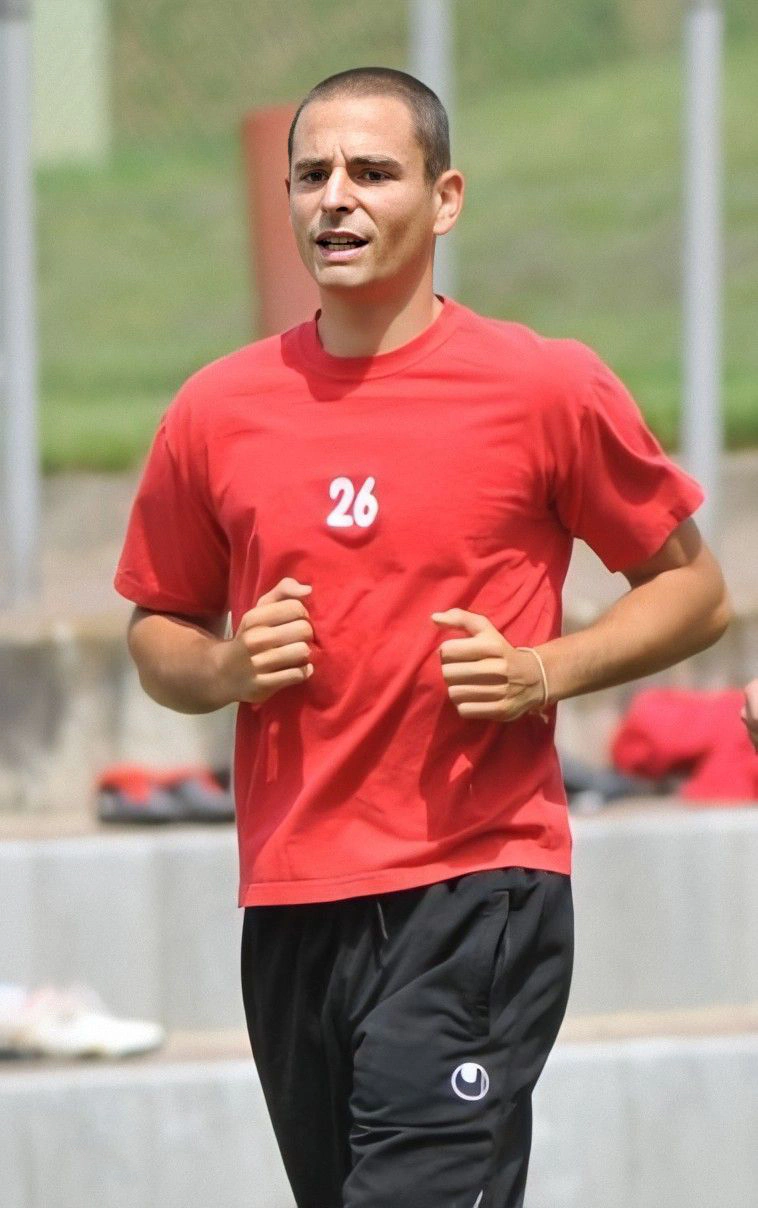
| 5 Quotes | |
| Occup. | Athlete |
| From | France |
| Born | September 17, 1982 Saint-Germain-en-Laye, France |
| Age | 43 years |
| Cite | |
Citation Formats
APA Style (7th ed.)
Greg akcelrod biography, facts and quotes. (2026, February 11). FixQuotes. https://fixquotes.com/authors/greg-akcelrod/
Chicago Style
"Greg Akcelrod biography, facts and quotes." FixQuotes. February 11, 2026. https://fixquotes.com/authors/greg-akcelrod/.
MLA Style (9th ed.)
"Greg Akcelrod biography, facts and quotes." FixQuotes, 11 Feb. 2026, https://fixquotes.com/authors/greg-akcelrod/. Accessed 31 Mar. 2026.
Early life
Greg Akcelrod, born around 1982 and raised in France, grew up in an environment where sport and aspiration played a central role in family life. As a child, he spent weekends with his father and mother watching football and other televised competitions, absorbing both the drama of the game and the narratives of persistence that came with it. Teachers and youth coaches noticed his enthusiasm more than any early technical superiority, and friends from school became his first teammates and training partners, sharing improvised drills and informal matches that kept his interest alive. Those closest to him remember a young person drawn as much to the idea of performance and recognition as to the athletic craft itself.Formative ambitions
In adolescence he began to dream of turning passion into a profession. Without the pedigree of an elite academy, he relied on a mix of self-belief, persistence, and resourcefulness. A supportive parent drove him to tryouts, early mentors offered candid feedback, and a small circle of friends helped him assemble basic highlight clips and written summaries of his playing history. These efforts, though modest, foreshadowed a defining pattern: he would try to compensate for limited exposure by telling a compelling story about his potential.Self-promotion and the pursuit of opportunity
As he reached his early twenties, Akcelrod leaned into self-presentation. He built an online profile, wrote to clubs, and contacted intermediaries who said they could open doors. Coaches, scouts, and club secretaries across Europe and beyond encountered his emails, CVs, and clips. Some opened training sessions to him out of curiosity or in response to persistent follow-up. Teammates at trial camps recall a determined forward eager to learn systems and routines quickly, while backroom staff remember a polite, proactive candidate who always had a new dossier or reference letter to hand.A few agents and fixers became part of his orbit, advising him on how to frame his statistics, how to dress for meetings, and what to emphasize in interviews. Friends with camera skills filmed sessions; a web-savvy acquaintance helped him present his credentials online. The blend of personal drive, networking, and a growing digital footprint moved him closer to environments usually reserved for established prospects.
Media attention and scrutiny
The same visibility that created openings also invited questions. Journalists, rival trialists, and club supporters compared details in his materials to public records, and discrepancies sparked articles and message-board threads. A prospective agreement with a professional club reportedly came within reach before due diligence halted the process. Club officials who had liked his confidence revisited the evidence; communications staff consulted archives; and a skeptical supporter base raised alarms. What followed was a burst of press coverage that cast him as a symbol of modern self-branding at its most audacious.Family members encouraged him to face the controversy with honesty, while a trusted coach urged him to focus on what he could control: fitness, humility, and the next chapter. Friends remained divided, some admired the nerve it took to get that far; others worried about the cost to his reputation. Reporters who covered the episode noted that the digital age can blur lines between aspiration, exaggeration, and deception, particularly in sports where opportunity is scarce and visibility matters.
Reassessment and professional redirection
After the peak of attention, Akcelrod reassessed his path. Conversations with mentors and legal advisers helped him understand the consequences of how he had represented himself. He turned toward roles adjacent to sport, where storytelling, presentation, and relationship-building are assets rather than liabilities. In time, he spoke publicly about his experience, how ambition, pressure, and the allure of a dream can lead a young athlete to push boundaries. Event organizers, university lecturers, and business leaders invited him to discuss goal-setting, ethics in personal branding, and resilience after public setbacks.He collaborated with professionals in marketing and media, drawing on the same energy that once fueled his trials, but anchoring it in transparency and measurable results. Former teammates and coaches who kept in touch describe this period as a maturation: less about getting through the door, more about earning a place at the table.
Personal life and relationships
Through these shifts, the most consistent figures in his life were his parents and a few old friends who offered unvarnished advice. A sibling and close cousins, when present, acted as sounding boards. In the professional sphere, a small cadre of mentors, coaches, business advisers, and communications specialists, helped him convert lessons from his turbulent sporting pursuit into constructive work. Journalists who had covered his story later engaged him in longer conversations about digital identity and the evolving landscape of talent discovery, providing forums where he could clarify what had happened and what he had learned.Legacy and perspective
Greg Akcelrod's story resonates less as a record of athletic achievements than as a case study in the power and peril of self-invention. To some, he is a cautionary tale about playing too loosely with the facts; to others, an emblem of grit who tested the edges of a system that often overlooks late bloomers and outsiders. The clubs, coaches, agents, and supporters who intersected with his path were essential to that narrative, challenging him, checking claims, and ultimately shaping a public reckoning that forced growth.In later years, he continued to work at the intersection of sport, media, and entrepreneurship, drawing on both successes and missteps. His experience underscores themes that matter well beyond football: how ambition can outrun readiness, how communities enforce standards, and how a person can reframe a painful chapter into a more grounded professional identity. Those closest to him emphasize that, whatever the controversies, he remained active, teachable, and determined to contribute, qualities that, with better guardrails and wiser counsel, can turn a volatile promise into a durable career.
Our collection contains 5 quotes written by Greg, under the main topics: Motivational - Art - Sarcastic - Sports - Health.