
Greg Moore Biography Quotes 2 Report mistakes
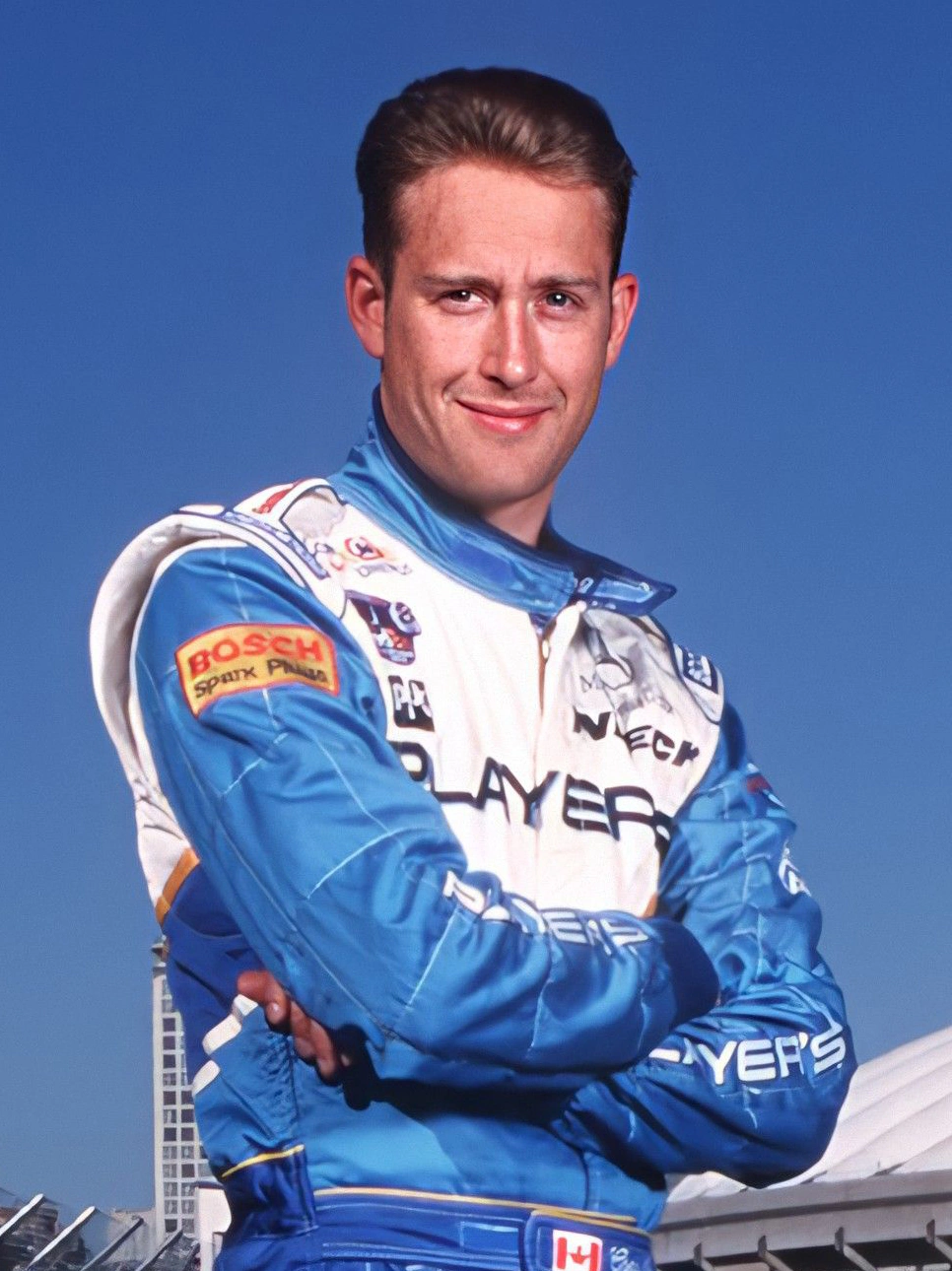
| 2 Quotes | |
| Occup. | Celebrity |
| From | USA |
| Born | April 22, 1975 New Westminster, British Columbia, Canada |
| Died | October 31, 1999 Fontana, California, USA |
| Cause | Racing accident |
| Aged | 24 years |
| Cite | |
Citation Formats
APA Style (7th ed.)
Greg moore biography, facts and quotes. (2026, February 11). FixQuotes. https://fixquotes.com/authors/greg-moore/
Chicago Style
"Greg Moore biography, facts and quotes." FixQuotes. February 11, 2026. https://fixquotes.com/authors/greg-moore/.
MLA Style (9th ed.)
"Greg Moore biography, facts and quotes." FixQuotes, 11 Feb. 2026, https://fixquotes.com/authors/greg-moore/. Accessed 12 Feb. 2026.
Overview
Greg Moore (1975, 1999) was a Canadian racing driver whose speed, precision, and character made him one of the most compelling figures in North American open-wheel racing during the 1990s. Rising swiftly from karting to the top tier of Championship Auto Racing Teams (CART), he captured victories, fans, and the respect of rivals before his life was cut short in a crash at California Speedway. Though his time at the highest level was brief, he left a lasting mark on the sport and on those closest to him.Early Life and Beginnings
Born in 1975 and raised in British Columbia, Moore entered motorsport through karting at a young age. The discipline and racecraft demanded by karting suited him, and he swiftly collected regional and national attention. Family support was central: they traveled with him, sacrificed weekends to competition, and reinforced the habits that would define his professional life, clean driving, thoughtful risk management, and meticulous preparation.Rapid Ascent Through the Junior Ranks
Moore progressed through formula categories with striking momentum. After success in junior open-wheel series, he focused on Indy Lights, the primary development ladder toward CART. In 1995 he won the Indy Lights championship, becoming one of the youngest champions in the series history. This title carried more than a trophy: it confirmed that his measured aggression, skill on ovals, and composure under pressure could translate to the faster, heavier, and more complex machinery of CART.CART Debut and Breakthrough
Moore graduated to CART in 1996 with the Player's/Forsythe team led by owner Gerry Forsythe. The team's blue-and-white livery became closely associated with him, and his car number, 99, evolved into a personal emblem. In 1997 he broke through with his first series win at the Milwaukee Mile and followed immediately with another victory, becoming the youngest CART race winner at the time and signaling a generational handover within the paddock. His style on short ovals and superspeedways stood out: smooth steering inputs, exceptional throttle control, and a keen ability to read races as tire wear and fuel windows unfolded.Peers, Mentors, and Team Environment
Within the competitive cauldron of late-1990s CART, Moore forged close bonds that shaped his career and enduring legacy. He shared the Forsythe garage with fellow Canadian Patrick Carpentier, forming a partnership that energized Canadian motorsport fans. Away from the track he built deep friendships with rivals such as Dario Franchitti, Max Papis, and Tony Kanaan, drivers who competed fiercely with him on Sundays yet traveled, trained, and celebrated together between races. These relationships were rooted in mutual respect, and they would later form the backbone of the tributes that followed his passing. At a higher level, Roger Penske recognized Moore's potential and signed him for the 2000 season, a move widely read as an endorsement of his readiness to contend for championships.Racing Identity and Highlights
Moore's strengths were most visible on high-speed ovals, where he combined bravery with unusual clarity of judgment. He won multiple races in CART, headlined by that 1997 double and a commanding victory in the 1999 season opener at Homestead. He had a gift for reading air and traffic, positioning his car where it would remain stable and fast even as the pack shifted around him. Engineers and strategists appreciated his concise feedback, and mechanics admired his consistency. Fans took to his affable manner and his commitment to signing autographs, chatting in the paddock, and carrying himself as a steward of the sport.1999 Season and the California Speedway Accident
By 1999 Moore had matured into a complete driver: experienced, fast on all track types, and increasingly savvy about strategy. He had already secured his move to Team Penske for 2000, a sign that the broader paddock expected him to contend for titles. On October 31, 1999, he suffered a fatal crash early in the season finale at California Speedway. The incident stunned the series and the wider motorsport world, bringing an abrupt end to a career that had promised much more. In the aftermath, tributes flowed from teammates, competitors, team owners, and fans who had watched him rise since his karting days.Personal Character and Relationships
Moore's calm presence and understated humor endeared him to those around him. Friends such as Dario Franchitti, Max Papis, and Tony Kanaan have long emphasized how he blended intensity with generosity, equally comfortable debriefing on setup details or planning a group dinner after the checkered flag. Within the Player's/Forsythe organization, he was known as a leader by example: punctual, prepared, and honest with feedback, yet supportive of younger crew members and respectful of veterans. His family remained a steady force, appearing at races and serving as a counterweight to the pressures of travel and competition.Legacy and Remembrance
The shock of Moore's passing galvanized acts of remembrance across the sport. The number 99 was retired in his honor within Champ Car, and tributes by peers continued for years, including the adoption of symbolic gestures such as red driving gloves by friends who wanted to keep his memory visible. His community in British Columbia established memorial initiatives, including the Greg Moore Foundation, which focuses on youth, education, and health, causes aligned with the values he represented. Memorials and halls of fame in Canada and the United States have recognized his impact on North American racing.Impact on the Sport
Moore's career compressed the arc of a star: formative success in junior categories, headline wins at the top level, and signs of an imminent championship run. His move toward Penske was widely interpreted as a hinge moment, one that might have reframed championship battles in the early 2000s. While that future never materialized, the standard he set, precise driving on ovals, openness with fans, and deep loyalty to friends and colleagues, lives on. In garages and paddocks he once frequented, his name remains shorthand for integrity, speed, and promise.Enduring Memory
For those who knew him and those who watched from grandstands and living rooms, Greg Moore's story is both triumphant and heartbreaking: a young Canadian who rose on merit, handled success with humility, and inspired others through friendships that spanned team lines and nationalities. The trophies and lap charts are part of the record; the deeper legacy is the community he helped build. His life, though short, continues to influence how drivers support one another, how teams nurture young talent, and how fans remember the human beings behind the helmets.Our collection contains 2 quotes written by Greg, under the main topics: Sports - Work.
Source / external links