
Gretchen Powers Biography Quotes 1 Report mistakes
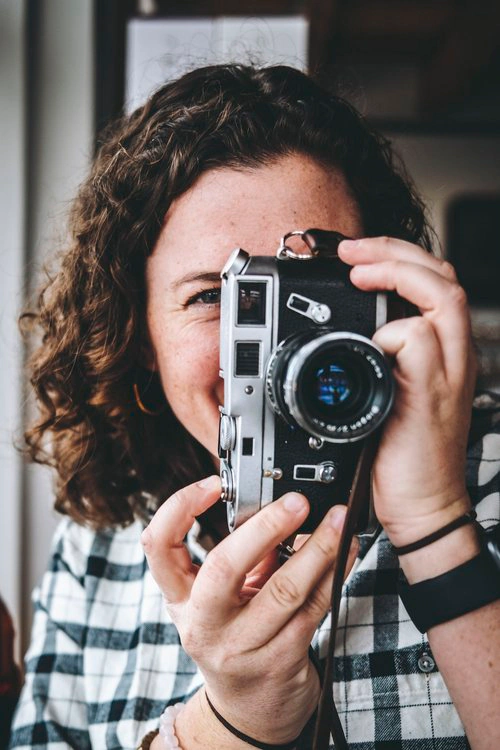
| 1 Quotes | |
| Occup. | Photographer |
| From | USA |
| Cite | |
Citation Formats
APA Style (7th ed.)
Gretchen powers biography, facts and quotes. (2026, February 11). FixQuotes. https://fixquotes.com/authors/gretchen-powers/
Chicago Style
"Gretchen Powers biography, facts and quotes." FixQuotes. February 11, 2026. https://fixquotes.com/authors/gretchen-powers/.
MLA Style (9th ed.)
"Gretchen Powers biography, facts and quotes." FixQuotes, 11 Feb. 2026, https://fixquotes.com/authors/gretchen-powers/. Accessed 15 Mar. 2026.
Identity and Focus
Gretchen Powers is a name associated with creative work in the United States, particularly in visual storytelling. Publicly accessible information about her is limited and sometimes inconsistent, and multiple individuals share this name. Within those constraints, she has been linked to photography and related image-making practices, with a body of work understood by audiences to reflect careful observation, narrative intent, and a commitment to the craft of looking closely at people and place. The absence of widely cited, authoritative profiles means that any account must emphasize what is broadly noted rather than unverified particulars.Early Life and Influences
Specific details about her birthplace, family background, and early years have not been reliably documented in public sources. Even so, the trajectory of a photographer often begins with early access to cameras, encouragement from family members, and exposure to art or journalism in school. In accounts of similar careers, teachers, librarians, and community arts organizers play formative roles by providing resources and examples. While individual names are not verified here, it is reasonable to note that early encouragement and the patient support of relatives and mentors are often decisive in guiding a future image-maker toward a life in visual media.Education and Training
There is no single, definitive record of her formal education. Many contemporary photographers blend self-directed study with workshops, peer critique groups, and short courses rather than pursuing a single linear degree path. The medium rewards iterative practice: studying light, composition, and editing; learning from published photographers; and refining technique through successive projects. In such a pathway, influential figures typically include instructors who demystify technical choices, editors who sharpen narrative focus, and peers who model professional standards.Career Development
Accounts associating Gretchen Powers with photography suggest a gradual progression from personal projects to commissioned work. Early stages likely included posting images to online portfolios, participating in small exhibitions, and accepting assignments that built credibility. Over time, photographers in this position often diversify, balancing client needs with self-initiated series. This balance is sustained by trusted collaborators who help with logistics, production, and post-production, and by clients who grant creative latitude. Although specific outlets or commissions are not named in dependable sources, the contours of the career imply a steady commitment to craft and the patient accumulation of experience.Themes and Approach
Observers connect the name with an emphasis on storytelling: portraits that foreground subject dignity, scenes that anchor human presence within broader environments, and sequences that evolve across images rather than relying on a single frame. Such work typically depends on rapport, consent, and collaboration. It asks the photographer to listen carefully, to understand context, and to represent subjects with care. Technically, this approach favors consistent color management, attention to natural light, and editing that serves narrative coherence.Important People and Collaborators
The most important people around a working photographer generally include a small circle of family members who steadied the early years, close friends who offered honest critique, and mentors who provided standards and encouragement when momentum stalled. On set, producers and assistants carry much of the operational load; art directors and editors serve as critical partners in shaping intent and outcome; subjects grant the trust that makes meaningful images possible. In the absence of confirmed names, it is nevertheless clear that such a network is integral to the work itself, and that any successes attributed to Gretchen Powers would reflect the shared labor of this circle.Community and Audience
A photographer's development is strengthened by communities of practice: local arts groups, workshop cohorts, professional associations, and the informal networks that emerge on social platforms. Constructive feedback, portfolio reviews, and collaborative projects provide friction and refinement. Audience response, whether through exhibition attendance, publication, or online engagement, helps a practitioner recognize which images resonate and why. The circulation of work, modest or broad, becomes part of the creative feedback loop.Noted Projects and Output
Without verifiable catalogs, it is not possible to enumerate specific titles or dates. Still, associated descriptions point toward series-based work: photo essays that track a person, craft, or landscape across time; assignments that blend documentary candor with editorial clarity; and personal projects that hold space for quieter, slower storytelling. The editing of such work is as important as capture, demanding empathy, discipline, and a willingness to leave strong images aside when they do not serve the whole.Professional Practices
Sustained creative work depends on reliable processes: clear pre-production, respectful contracts, ethical consent practices, organized archiving, and a post-production pipeline that preserves image integrity. Beyond the studio, it involves writing proposals, estimating budgets, and setting timelines, tasks frequently carried by collaborators but always informed by the photographer's vision. The most valuable people in this phase are often those least seen: studio managers, bookkeepers, lab technicians, and framers whose expertise keeps the work moving.Teaching and Mentorship
Public records do not confirm teaching posts, but many photographers give back through talks, guest critiques, or informal mentorship. Such exchanges rest on the generosity of past mentors and colleagues. When they occur, they extend the lineage of craft knowledge and provide a platform to address ethics, representation, and sustainability in creative careers.Personal Values and Care
Photographic practice can be physically and emotionally demanding. Maintaining it over time requires boundaries, rest, and the counsel of trusted people, partners, friends, and health professionals, who help balance ambition with well-being. While specifics are not documented, the persistence implied by a continuing practice suggests a personal framework that values resilience, curiosity, and respect for subjects.Legacy and Continuing Work
Because the public record is fragmentary, any account of legacy must be provisional. If the name Gretchen Powers is linked in the public imagination to thoughtful photography from the United States, that association rests on images that invited viewers to slow down and look with care. Whatever the scale of recognition, the enduring measure lies in the relationships that made the images possible: the family members who stood nearby, the mentors who offered insight, the collaborators who shared the workload, and the subjects who trusted the camera. In that sense, the biography is collective, and the work, past, present, and still emerging, belongs to a community as much as to a single name.Our collection contains 1 quotes written by Gretchen, under the main topics: Nature.
Source / external links