
Harlan Stone Biography Quotes 7 Report mistakes
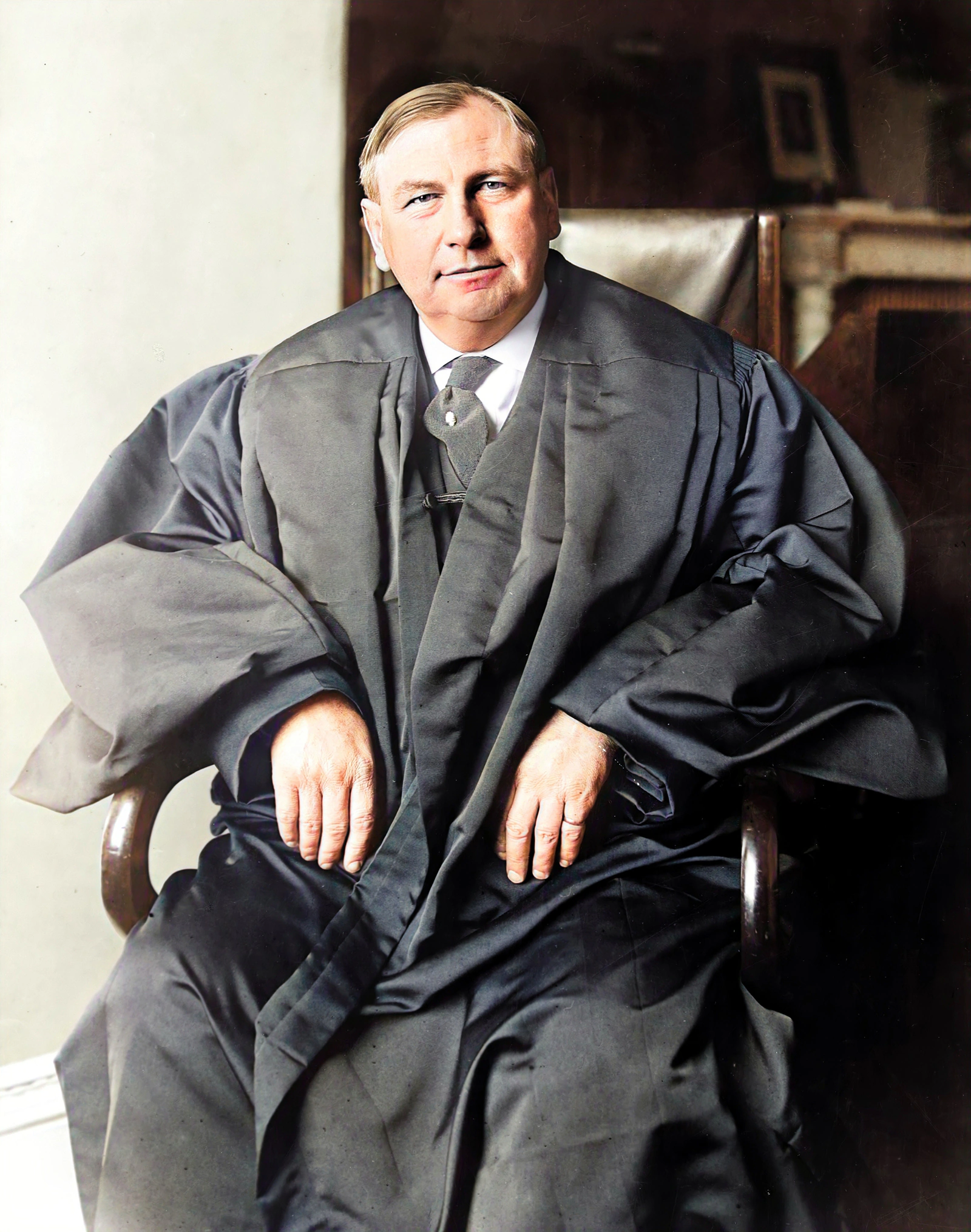
Attr: National Photo Company
| 7 Quotes | |
| Born as | Harlan Fiske Stone |
| Occup. | Lawyer |
| From | USA |
| Born | October 11, 1872 New Hampshire, United States |
| Died | April 22, 1946 USA |
| Aged | 73 years |
| Cite | |
Citation Formats
APA Style (7th ed.)
Harlan stone biography, facts and quotes. (2026, February 11). FixQuotes. https://fixquotes.com/authors/harlan-stone/
Chicago Style
"Harlan Stone biography, facts and quotes." FixQuotes. February 11, 2026. https://fixquotes.com/authors/harlan-stone/.
MLA Style (9th ed.)
"Harlan Stone biography, facts and quotes." FixQuotes, 11 Feb. 2026, https://fixquotes.com/authors/harlan-stone/. Accessed 26 Mar. 2026.
Early Life and Background
Harlan Fiske Stone was born on October 11, 1872, in Chesterfield, New Hampshire, in a post-Civil War New England still marked by Protestant moral seriousness and a rising faith in professional expertise. His family circumstances were modest, and the route out of small-town limitation ran through education, disciplined work, and an emerging national marketplace for talent. Stone's early life coincided with the Gilded Age transformation of American law from local craft to modern profession, and he grew up alert to the way institutions could both restrain and empower human ambition.
In 1892 he moved to New York City, a step that exposed him to the density of industrial capital, political machines, and the anxieties of mass immigration. That shift mattered: it placed him in the shadow of corporate consolidation, labor unrest, and reform movements that demanded new thinking about the state's role. The young Stone absorbed a practical lesson that would recur across his career - that legal rules were not abstractions but instruments shaping the everyday conditions of power, work, and citizenship.
Education and Formative Influences
Stone graduated from Amherst College in 1894 and earned his LL.B. from Columbia Law School in 1898, joining a legal culture increasingly influenced by case-method analysis and a scientific tone about doctrine. He taught at Columbia and became dean in 1910, participating in the Progressive Era push to professionalize public life while also learning how legal education could train both technicians and civic stewards. Those years sharpened his skepticism of romantic theories and his preference for hard institutional questions: who decides, by what authority, and with what accountability.
Career, Major Works, and Turning Points
After practice and academic leadership, Stone entered national government as Attorney General of the United States (1924-1925) under President Calvin Coolidge, where he pursued anti-corruption measures and confronted the practical limits of legal reform inside executive power. Coolidge appointed him to the U.S. Supreme Court in 1925; in 1941 Franklin D. Roosevelt elevated him to Chief Justice, a role he held until his death on April 22, 1946, in Washington, D.C. As a Justice he became a central figure in the constitutional transition from Lochner-era hostility to economic regulation toward greater deference to democratic governance, while also helping articulate stricter scrutiny for laws burdening political process and minority rights. His most famous judicial writing is United States v. Carolene Products Co. (1938), especially Footnote Four, which suggested that while economic regulation should usually stand, courts should be more searching when legislation distorts democratic channels or targets discrete and insular minorities. As Chief Justice during World War II he presided over a Court under immense pressure to unify the nation, yet the era also exposed the tragic costs of judicial restraint in cases like Korematsu v. United States (1944), where Stone joined the majority upholding Japanese American exclusion.
Philosophy, Style, and Themes
Stone's constitutional temperament was pragmatic, institutional, and often wary of judges substituting their preferences for legislative judgment. He saw law as an instrument of public purpose rather than a self-contained moral code, insisting that “The law is not an end in itself, nor does it provide ends. It is preeminently a means to serve what we think is right”. Psychologically, this reveals a jurist driven less by the drama of personal conviction than by a sober fear of unaccountable power - including the judiciary's own. His celebrated dissent in Minersville School District v. Gobitis (1940), defending Jehovah's Witness children against compelled flag salutes, showed that his deference was not automatic; when the state demanded rituals of belief, he recognized how coercion could masquerade as unity.
At the same time, Stone grounded constitutional survival in civic intelligence and the informational commons. He argued that “The only check upon the exercise of the power of one's own government lies in an enlightened public opinion”. , a sentence that doubles as autobiography: the professor-dean turned Justice never abandoned the classroom premise that democracy depends on trained habits of mind. His approach to civil liberties thus ran through institutions - fair processes, open debate, and access to knowledge - a view captured by his conviction that “A free press is indispensable to the workings of our democratic society”. Yet the tension in his legacy is that the same institutional humility that fueled Carolene Products' protection of political process could, under wartime fear, become an alibi for accepting executive narratives rather than testing them.
Legacy and Influence
Stone's enduring influence rests on the architecture he helped build for modern constitutional review: broad deference to economic regulation coupled with heightened attention to democratic malfunction and minority vulnerability. Footnote Four became a seedbed for later doctrines of strict scrutiny, incorporation, and robust First Amendment protections, shaping mid-century liberal constitutionalism even as scholars debate its compatibility with his own restraint. His career also remains a cautionary study in the moral risks of institutionalism: a Chief Justice who championed reasoned public opinion and free expression, yet participated in decisions that history widely condemns. In that friction - between humility and responsibility, between process faith and emergency politics - Stone remains one of the defining jurists of the American state's passage into modernity.
Our collection contains 7 quotes written by Harlan, under the main topics: Justice - Leadership - Freedom - Knowledge - Equality.
Source / external links