
Harold Pinter Biography Quotes 34 Report mistakes
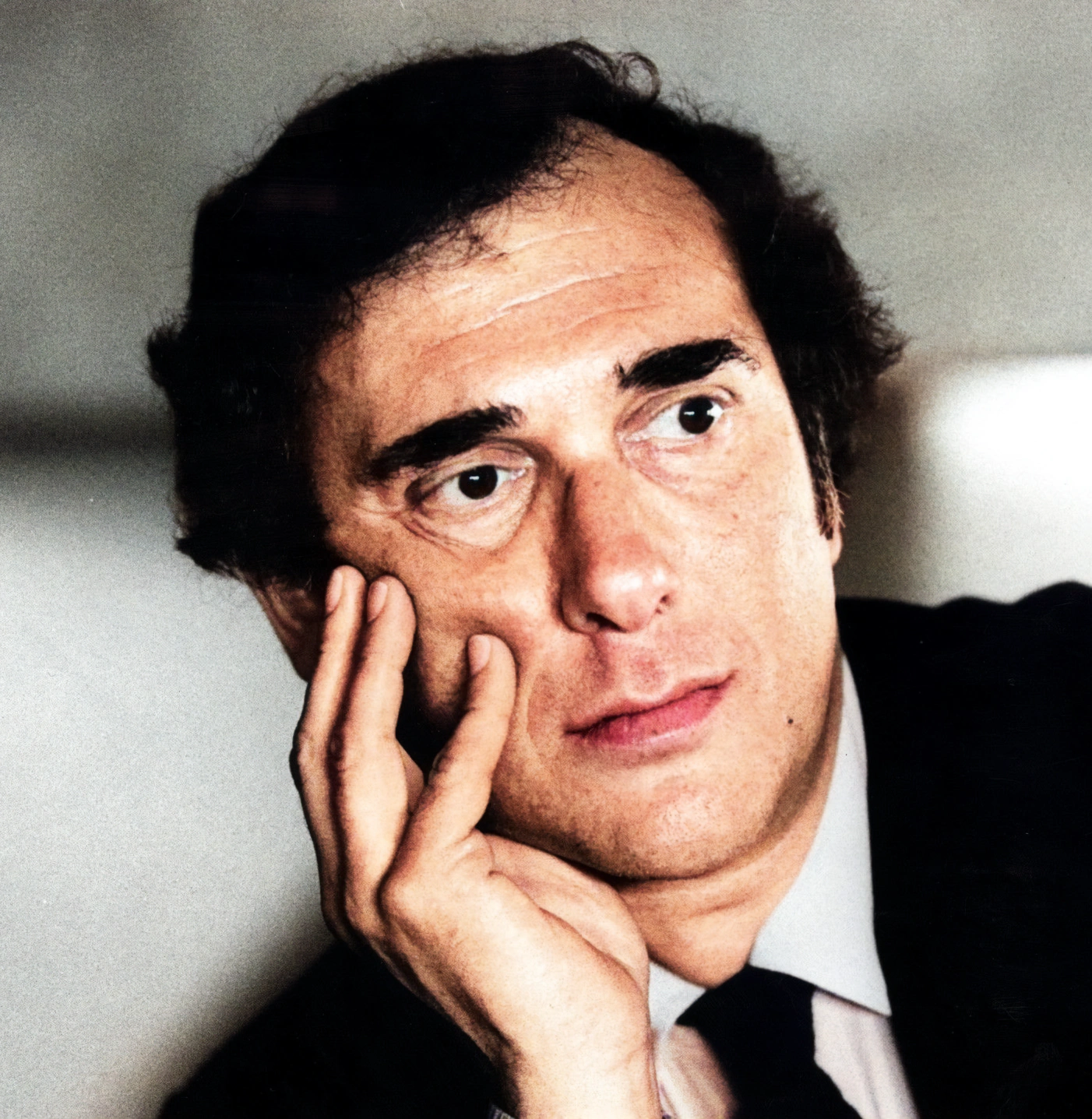
| 34 Quotes | |
| Occup. | Playwright |
| From | England |
| Spouses | Vivien Merchant (1956-1980) Lady Antonia Fraser (1980) |
| Born | October 10, 1930 London, England, U.K. |
| Died | December 24, 2008 London, England, U.K. |
| Aged | 78 years |
| Cite | |
Citation Formats
APA Style (7th ed.)
Harold pinter biography, facts and quotes. (2026, February 11). FixQuotes. https://fixquotes.com/authors/harold-pinter/
Chicago Style
"Harold Pinter biography, facts and quotes." FixQuotes. February 11, 2026. https://fixquotes.com/authors/harold-pinter/.
MLA Style (9th ed.)
"Harold Pinter biography, facts and quotes." FixQuotes, 11 Feb. 2026, https://fixquotes.com/authors/harold-pinter/. Accessed 12 Feb. 2026.
Early Life and Background
Harold Pinter was born on October 10, 1930, in Hackney, East London, to Jewish parents of Eastern European background. His father, Jack Pinter, was a tailor, and the family lived amid the compressed streets, markets, and social fault lines of the East End - a milieu that trained his ear for threat, evasion, and the coded negotiations of ordinary talk. The neighborhood also exposed him early to anti-Semitism and to the small, daily intimidations that later reappeared in his work as pressure applied without explanation.His adolescence unfolded under wartime London. Evacuations, air raids, and the constant awareness that a knock at the door might mean danger formed a psychological baseline: vigilance as a habit, silence as a tactic. That atmosphere never left him. Even when his plays were set in anonymous rooms, their emotional weather often resembled a city under blackout - ordinary routines pursued while violence looms just offstage.
Education and Formative Influences
Pinter attended Hackney Downs School, where he acted and began writing, then briefly studied at the Royal Academy of Dramatic Art and later at the Central School of Speech and Drama, neither of which held him for long. He learned more by working: touring as an actor under the name David Baron, absorbing repertory discipline, timing, and the muscular reality of dialogue spoken nightly before skeptical audiences. That actorly apprenticeship, combined with postwar British austerity and a growing awareness of state power, shaped his conviction that language is both intimacy and weapon.Career, Major Works, and Turning Points
Pinter emerged in the late 1950s as a playwright who made menace a form of music. After early one-acts such as The Room (1957) and The Dumb Waiter (1957), he broke through with The Birthday Party (1958), which failed initially but gained champions, and The Caretaker (1960), which secured his reputation. The 1960s and 1970s brought works that refined his distinctive pressure-cooker dramaturgy - The Homecoming (1964), Old Times (1971), No Man's Land (1975), Betrayal (1978) - and he became a major screenwriter as well, adapting novels such as The Servant (1963), Accident (1967), and The French Lieutenant's Woman (1981). Later plays like One for the Road (1984), Mountain Language (1988), and Ashes to Ashes (1996) sharpened his political edge, while his public activism against torture and war made him a polarizing moral voice. In 2005 he received the Nobel Prize in Literature; illness narrowed his physical life in his final years, but not his argumentative force, until his death on December 24, 2008.Philosophy, Style, and Themes
Pinter's inner life was marked by an alertness to coercion: how power enters a room, how it disguises itself as friendliness, how fear makes people improvise selves. He distrusted neat explanations and built drama out of unstable testimony, competing memories, and the gaps between what is said and what is meant. His own account of reality as layered rather than binary became a key to his method: "There are no hard distinctions between what is real and what is unreal, nor between what is true and what is false. A thing is not necessarily either true or false; it can be both true and false". In Pinterland, characters survive by revising the past in real time, often to protect a fragile identity or to dominate someone else.Technically, he fused colloquial speech with formal control: repetition, non sequiturs, and the famous Pinter pause, where silence becomes an action and a threat. Memory, in particular, is treated less as record than as a tool, even a con: "The past is what you remember, imagine you remember, convince yourself you remember, or pretend you remember". That line clarifies why so many of his plays stage contests over who gets to define what happened - in love triangles as much as in interrogation rooms. Even when he turned directly to politics, his psychology remained consistent: propaganda, euphemism, and official narratives operate like the polite lies between family members, scaled up to nations.
Legacy and Influence
Pinter altered the sound of modern theater. His name became shorthand for a drama of subtext, pauses, and menace, but the deeper legacy is his insistence that language is never innocent and that private life is already political. He influenced playwrights and screenwriters across Britain, Europe, and the United States, and his works remain staples for actors because they demand precision: every hesitation has intent, every banal phrase carries a second agenda. As a Nobel laureate and a relentless critic of state violence, he also modeled a public intellectual's refusal to separate art from conscience, leaving a body of work that still tests audiences on how much uncertainty - and complicity - they are willing to hear.Our collection contains 34 quotes written by Harold, under the main topics: Witty One-Liners - Wisdom - Truth - Puns & Wordplay - Justice.
Other people related to Harold: Ralph Richardson (Actor), Karel Reisz (Director), John Pilger (Journalist), Vincent Canby (Critic), Kenneth Tynan (Critic), Donald Pleasence (Actor), Daniel Craig (Actor), Alan Bates (Actor), Antonia Fraser (Author), Peter Hall (Director)
Frequently Asked Questions
- The homecoming Harold Pinter characters: The main characters include Max, Lenny, Sam, Teddy, Ruth, and Joey.
- Harold Pinter as a modern dramatist: Pinter was a key figure in 20th-century British theatre, known for his innovative use of language, ambiguous settings, and complex characters.
- What is Harold Pinter observation on poetry? Pinter believed that poetry could capture the essence of human experience in a concise, powerful way, and often incorporated poetic language into his plays.
- Harold Pinter as an absurd dramatist: Pinter's works were deeply influenced by the Theatre of the Absurd, exploring themes of alienation, existentialism, and the human condition.
- Harold Pinter first full-length play: The Birthday Party (1957)
- How old was Harold Pinter? He became 78 years old
Harold Pinter Famous Works
- 1978 Betrayal (Play)
- 1974 No Man's Land (Play)
- 1964 The Homecoming (Play)
- 1960 The Caretaker (Play)
- 1957 The Birthday Party (Play)
- 1957 The Dumb Waiter (Play)
Source / external links