
Harper Lee Biography Quotes 12 Report mistakes
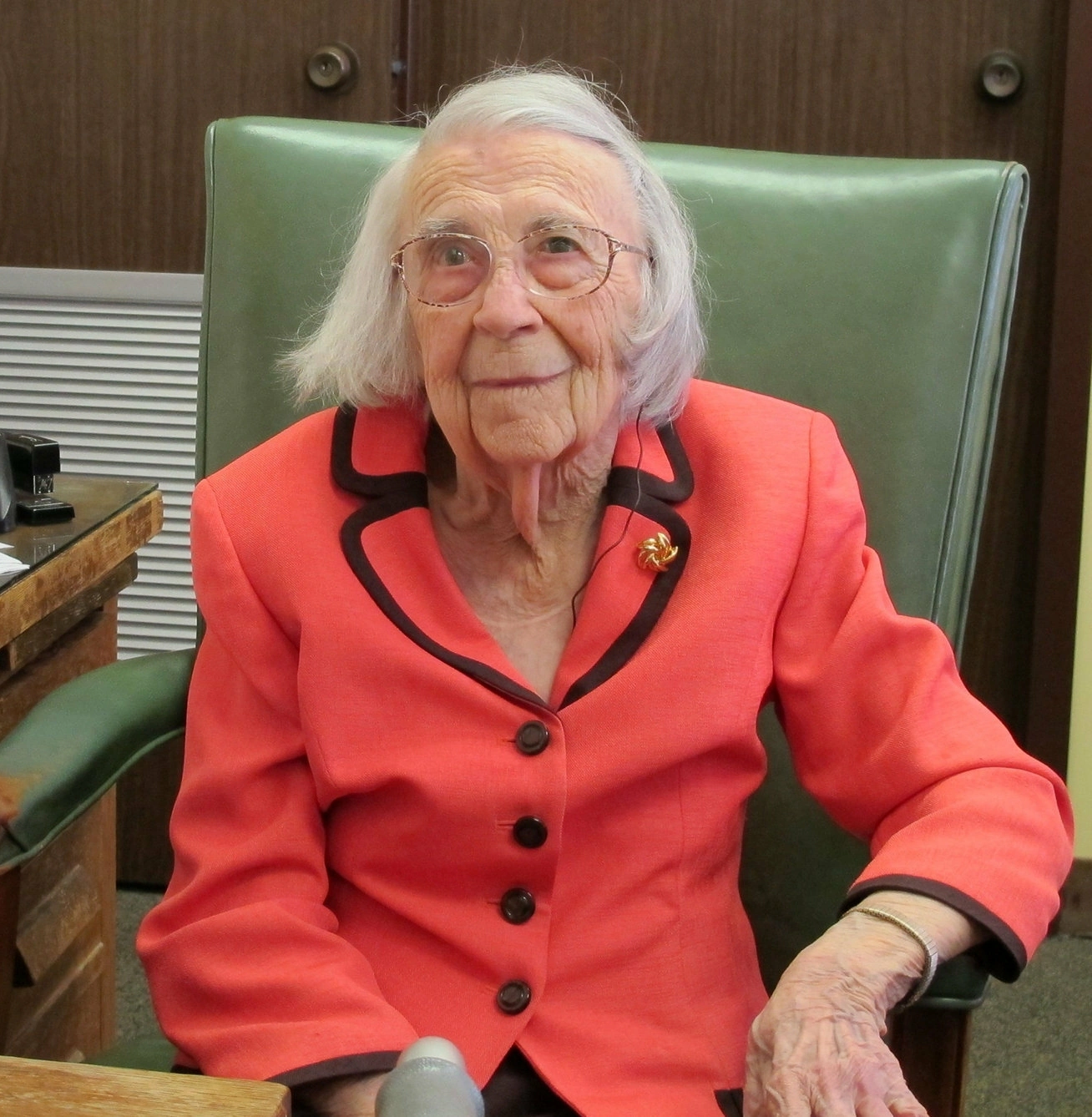
| 12 Quotes | |
| Born as | Nelle Harper E. Lee |
| Occup. | Novelist |
| From | USA |
| Born | April 28, 1926 Monroeville, Alabama |
| Age | 99 years |
| Cite | |
Citation Formats
APA Style (7th ed.)
Harper lee biography, facts and quotes. (2026, February 11). FixQuotes. https://fixquotes.com/authors/harper-lee/
Chicago Style
"Harper Lee biography, facts and quotes." FixQuotes. February 11, 2026. https://fixquotes.com/authors/harper-lee/.
MLA Style (9th ed.)
"Harper Lee biography, facts and quotes." FixQuotes, 11 Feb. 2026, https://fixquotes.com/authors/harper-lee/. Accessed 1 Apr. 2026.
Early Life and Background
Nelle Harper Lee was born April 28, 1926, in Monroeville, Alabama, a small courthouse town in the Jim Crow South where race, class, and reputation governed daily life as tightly as law. She grew up amid porches, church socials, and the slow churn of county politics - a world intimate enough that every scandal became public record, and every act of decency or cruelty could echo for years.Her family anchored her to both civic duty and moral unease. Her father, Amasa Coleman Lee, was a lawyer and state legislator; her mother, Frances Finch Lee, struggled with periods of ill health and withdrawal. Lee was a tomboy, sharp-eyed, skeptical of pretense, and drawn to story as a way to measure the distance between what people said they believed and what they did when stakes were real. In nearby houses and streets, she absorbed the rituals of segregation and the informal codes that enforced it, storing details that would later surface as both memory and indictment.
Education and Formative Influences
Lee attended local schools in Monroeville, then studied at Huntingdon College in Montgomery before transferring to the University of Alabama, where she wrote for campus publications and moved toward a writer's life while her family hoped for law. In 1949 she left for New York City, taking clerical jobs - including airline reservations - and apprenticing herself to the citys publishing world. A pivotal friendship with Truman Capote, whom she had known as a child in Monroeville, sharpened her ear for dialogue and character, while the postwar literary culture around her pushed Southern experience into national focus, from Faulkner to the emerging voices of civil-rights-era nonfiction.Career, Major Works, and Turning Points
In New York, Lee drafted a novel that began as interconnected scenes of childhood and gradually became the moral courtroom drama that editors at J.B. Lippincott helped reshape. Published in 1960 as To Kill a Mockingbird, it won the 1961 Pulitzer Prize and rapidly became a defining American novel, praised for its clarity of voice and its insistence that empathy and justice are not abstractions but habits learned - or refused - in ordinary homes. The 1962 film adaptation, with Gregory Peck as Atticus Finch, fixed the story in the national imagination. Afterward, Lee resisted celebrity, published little, and guarded her privacy. She aided Capote with research for In Cold Blood in Kansas, an experience that deepened her knowledge of violence, community judgment, and the ethics of turning lives into narrative. Decades later, the publication of Go Set a Watchman in 2015 - presented as an early draft but received as a complicated counter-portrait - reopened debate about her intentions and about how a culture uses beloved fiction to build moral icons.Philosophy, Style, and Themes
Lee wrote with an illusion of simplicity: a childs first-person clarity that carries adult irony, compressing social history into scenes of talk, weather, and gesture. Her moral imagination was shaped by the Souths intimacy - how neighbors can be both caretakers and jailers - and by a legal consciousness learned at home, where courtroom language masked human fear. The novels stage the conflict between public consensus and private duty, insisting that ethics begins in self-scrutiny rather than applause: “Before I can live with other folks I've got to live with myself. The one thing that doesn't abide by majority rule is a person's conscience”. That line is not merely inspirational; it reveals Lees psychological center - a writer drawn to the lonely moment when a person must decide whether belonging is worth the price of silence.Her empathy is disciplined, not sentimental. She treats prejudice as learned behavior sustained by comfort, boredom, and inherited story, and she counters it with the strenuous work of imagining another mind: “You never really understand a person until you consider things from his point of view”. Yet she refuses to reduce people to categories, pushing against the Souths obsession with bloodlines and rank: “I think there's just one kind of folks. Folks”. Across her work, childhood is less innocence than training ground, where reading, listening, and witnessing teach what adulthood will later test. The voice is hospitable - humorous, observant, precise - but the underlying mood is vigilance, as if the narrator knows how quickly a town can turn its gaze into a weapon.
Legacy and Influence
Harper Lee died on February 19, 2016, in Monroeville, having become an emblem of both literary restraint and cultural impact: one novel that entered classrooms, courtrooms, and political rhetoric as a touchstone for American conscience. To Kill a Mockingbird helped popularize a model of ethical citizenship rooted in empathy and legal fairness, while also provoking continuing critique about perspective, racial representation, and the risks of moral comfort. Her influence persists not because she offered easy redemption, but because she dramatized how decency is practiced under pressure - in families, in towns, and in the private argument between what we fear and what we know to be right.Our collection contains 12 quotes written by Harper, under the main topics: Ethics & Morality - Wisdom - Sarcastic - Book - Knowledge.
Harper Lee Famous Works
- 2015 Go Set a Watchman (Novel)
- 1960 To Kill a Mockingbird (Novel)
Source / external links