
Harriet Tubman Biography Quotes 16 Report mistakes
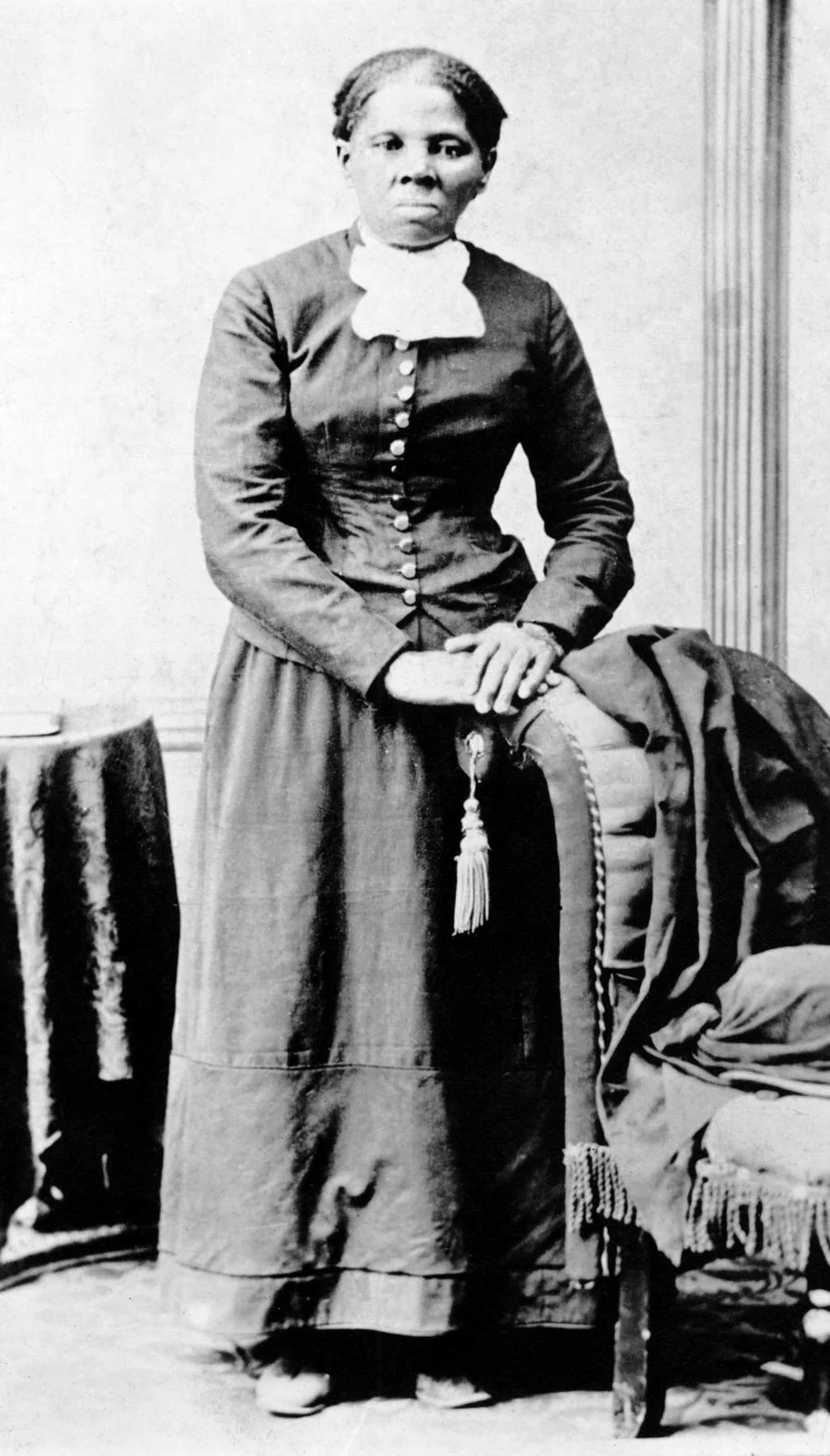
| 16 Quotes | |
| Born as | Araminta Harriet Ross |
| Occup. | Activist |
| From | USA |
| Born | Dorchester County, Maryland |
| Died | March 10, 1913 Auburn, New York, U.S. |
| Cause | pneumonia |
| Cite | |
Citation Formats
APA Style (7th ed.)
Harriet tubman biography, facts and quotes. (2026, February 2). FixQuotes. https://fixquotes.com/authors/harriet-tubman/
Chicago Style
"Harriet Tubman biography, facts and quotes." FixQuotes. February 2, 2026. https://fixquotes.com/authors/harriet-tubman/.
MLA Style (9th ed.)
"Harriet Tubman biography, facts and quotes." FixQuotes, 2 Feb. 2026, https://fixquotes.com/authors/harriet-tubman/. Accessed 25 Mar. 2026.
Early Life and Enslavement
Harriet Tubman was born into slavery as Araminta Ross, known to her family as Minty, in Dorchester County, Maryland, around 1822. Her parents, Harriet Rit Green and Ben Ross, were enslaved, and their children were hired out from an early age. From childhood, Araminta endured harsh labor and physical abuse, including a severe head injury when an overseer hurled a heavy object intended for someone else. The blow left her with lifelong headaches, seizures, and periods of sudden sleep. She drew strength from deep religious faith, often describing visions and dreams that guided her choices. As a young woman she adopted the name Harriet, honoring her mother, and after her marriage to John Tubman, a free Black man in Maryland, she claimed his surname while remaining subject to enslavement.Escape and the Underground Railroad
In 1849, fearing sale away from her family and determined to claim her freedom, Harriet fled north along secret routes aided by a network later known as the Underground Railroad. She found initial refuge in Pennsylvania and settled for a time in Philadelphia, where she connected with abolitionists such as William Still, who recorded the stories of fugitives in his files, and with the Quaker merchant Thomas Garrett in Wilmington, Delaware. The passage of the Fugitive Slave Act in 1850 made cities like Philadelphia more dangerous, so with allies she began moving freedom seekers farther north, including into Canada. She lived for stretches in St. Catharines, Ontario, using it as a base of operations.Rescues and Reputation as Moses
Harriet Tubman repeatedly returned to Maryland at great personal risk, guiding relatives and others to liberty. She aided her brothers on a daring winter escape and later spirited her parents, Rit and Ben, out of the South. She learned that her first husband, John Tubman, had remained in Maryland and remarried. Unwavering in purpose, she built a trusted network of safe houses and signals, often traveling by night. Her successes, and her fierce insistence on never losing a passenger, earned her the nickname Moses among those she helped and among antislavery activists. In the North, figures such as Frederick Douglass praised her courage, and Douglass corresponded with her biographer, Sarah H. Bradford, whose books helped raise funds for Tubman's work.Allies, Planning, and Moral Vision
Harriet's operations rested on collaboration. William Still logged the movements of many whom she guided. Thomas Garrett provided money, shoes, and warnings. Abolitionists across Philadelphia, New York, and New England coordinated signals and shelters. She conferred with John Brown in the late 1850s; he called her General Tubman and sought her assistance in plans to undermine slavery in Virginia. Though she did not join his raid at Harpers Ferry, their shared conviction about the urgency of freedom revealed her strategic mind and moral resolve. Throughout, she relied on prayer, observation, and careful timing, balancing secrecy with boldness.Civil War Service
With the Civil War underway, Tubman offered her services to the Union cause. In the South Carolina Lowcountry, she worked as a nurse, cook, scout, and spy among Union troops stationed around Port Royal. Collaborating with officers such as Colonel James Montgomery, she helped plan and guide the 1863 Combahee River Raid, in which Union gunboats struck Confederate-held rice plantations and ferried hundreds of enslaved people to freedom. Her knowledge of terrain, supply routes, and local communities proved decisive. Despite her contributions, official recognition and compensation were slow and incomplete, a struggle that would shadow her postwar life.Building a Home and a Community in Auburn
After the war, Harriet settled in Auburn, New York, on land she purchased from William H. Seward, the antislavery senator and later Secretary of State. There she created a refuge for family members and for those who needed shelter. She married Nelson Davis, a Union veteran, and together they formed a household that included an adopted daughter, Gertie. Tubman remained active in church life, particularly with the African Methodist Episcopal Zion community in Auburn, which provided spiritual grounding and organizational support. With allies in the congregation and beyond, she later established the Harriet Tubman Home for the Aged, dedicating her remaining energy and resources to caring for others.Advocacy for Rights and Recognition
In the decades after the war, Tubman lent her voice to the movement for women's suffrage and civil rights. She spoke alongside activists such as Susan B. Anthony and joined gatherings that linked the cause of women's political equality with the broader struggle for racial justice. Friends and admirers, including Sarah H. Bradford, organized benefits and publications to support her finances when pensions and reimbursements fell short. Letters from Frederick Douglass and the admiration of colleagues in the abolitionist and veterans' communities underscored her stature, yet she lived modestly, channeling funds toward community care rather than personal comfort.Health, Later Years, and Passing
The head injury from her youth never ceased to trouble her, and in later years she underwent medical treatment as her pain increased. Even as her health declined, she continued to counsel visitors, receive neighbors, and work on behalf of the home she had founded. She died in Auburn in 1913, mourned by family, church members, and those who had long recognized her as a liberator. She was laid to rest in Auburn's Fort Hill Cemetery, not far from the community she sustained.Legacy
Harriet Tubman's life traced a path from bondage to leadership, from clandestine rescues to organized military action, from private faith to public advocacy. The people who worked with her and the communities that sheltered her formed a web of resistance extending from Maryland's Eastern Shore to Canadian towns across the Niagara frontier. Allies like William Still, Thomas Garrett, Frederick Douglass, and Susan B. Anthony helped amplify her work, while family members and congregants in Auburn kept her mission alive day by day. Remembered as Moses for guiding so many to freedom, Tubman also built institutions that persisted after her death, including the home that bore her name. Her story, grounded in courage and cooperation, remains a testament to the power of determination, community, and an unshakable belief in human dignity.Our collection contains 16 quotes written by Harriet, under the main topics: Motivational - Friendship - Mortality - Freedom - Faith.
Source / external links