
Henry Ellis Biography Quotes 33 Report mistakes
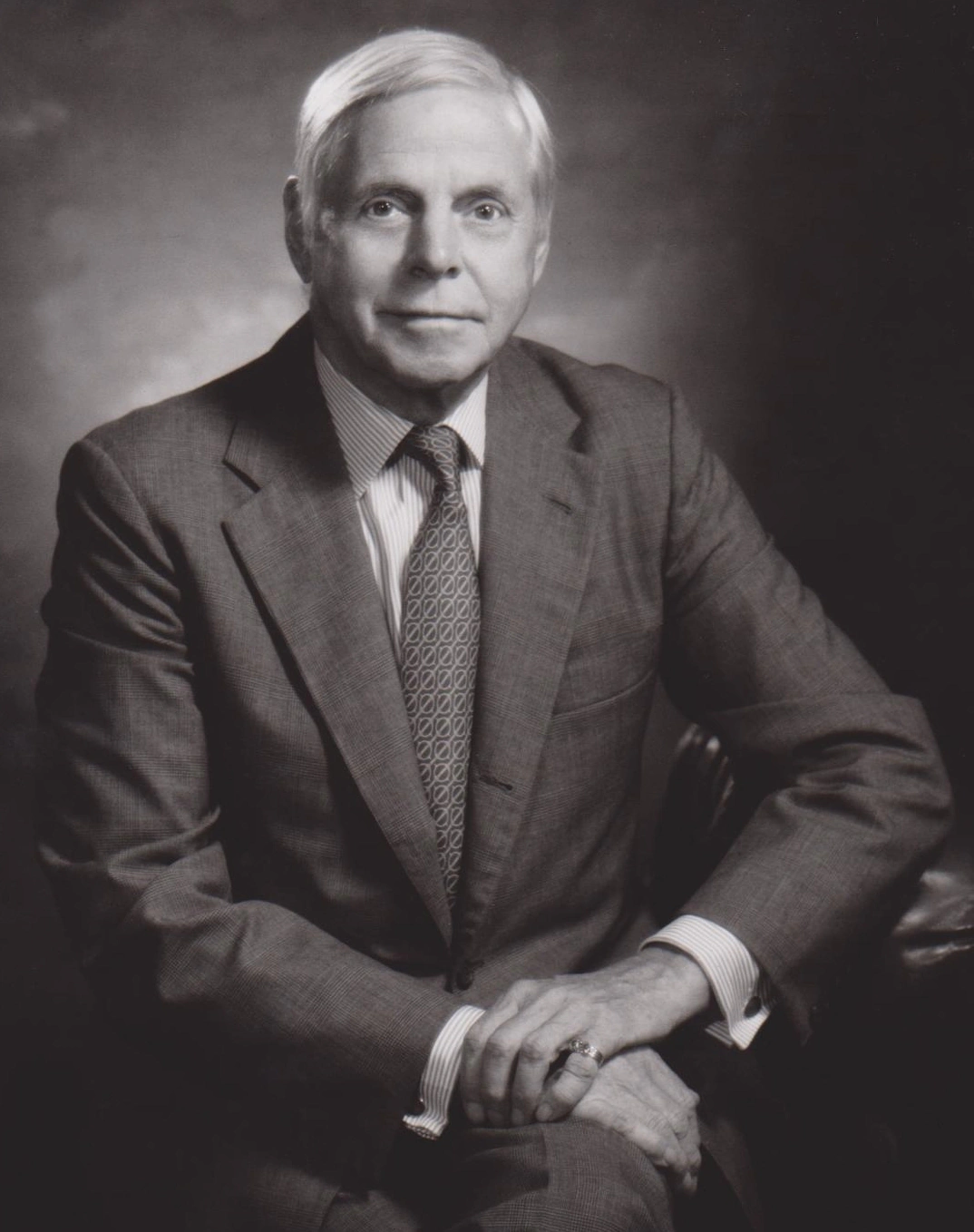
| 33 Quotes | |
| Born as | Henry Augustus Ellis |
| Occup. | Psychologist |
| From | United Kingdom |
| Born | July 24, 1861 County Tyrone, Ireland |
| Died | October 3, 1939 Crowborough, East Sussex |
| Aged | 78 years |
| Cite | |
Citation Formats
APA Style (7th ed.)
Henry ellis biography, facts and quotes. (2026, February 11). FixQuotes. https://fixquotes.com/authors/henry-ellis/
Chicago Style
"Henry Ellis biography, facts and quotes." FixQuotes. February 11, 2026. https://fixquotes.com/authors/henry-ellis/.
MLA Style (9th ed.)
"Henry Ellis biography, facts and quotes." FixQuotes, 11 Feb. 2026, https://fixquotes.com/authors/henry-ellis/. Accessed 27 Mar. 2026.
Early Life and Background
Henry Augustus Ellis, known to history as Havelock Ellis, was born on 24 July 1861 in Croydon, Surrey, into a Britain at the height of empire and industrial confidence. His father was a sea captain, and the household rhythm of departures and returns helped form Ellis's lifelong sense that identity was shaped as much by voyages of mind as by geography. The late-Victorian world around him policed sexuality in public while commercial cities swelled with new crowds, new anxieties, and new opportunities for private lives to diverge from public norms.As a young man Ellis proved bookish, introspective, and unusually willing to look at human behavior without the protective veil of piety. The era of the Contagious Diseases Acts, the 1885 Criminal Law Amendment Act, and scandal-driven journalism taught him that moral panics could become policy, and that private desire could be turned into public weaponry. Those pressures did not make him a partisan of licentiousness; they made him a partisan of observation, persuaded that frank description, not shame, was the first ethical act.
Education and Formative Influences
Ellis trained in medicine at St Thomas's Hospital Medical School in London, qualifying in the late 1880s, but his education was as much literary and continental as clinical - Darwinian evolution, Comtean sociology, and European sexology all fed his imagination. He moved through progressive circles that included the Fabian Society, where questions of poverty, women's autonomy, and public health were debated as systems rather than sins; the intellectual air of fin-de-siecle London - part scientific optimism, part cultural fatigue - encouraged him to see the body and the psyche as legitimate subjects for serious inquiry.Career, Major Works, and Turning Points
Ellis became a physician-writer whose central project was to map sexual life with the same candor that medicine applied to other functions. His multi-volume Studies in the Psychology of Sex (beginning in 1897) attempted to replace taboo with case history, cross-cultural comparison, and careful distinctions between harm and mere difference; it brought him notoriety, censorship, and a durable readership. Sexual Inversion (1897), produced with John Addington Symonds, treated same-sex desire as a natural variation rather than a moral collapse, a position that collided with Victorian law and helped define Ellis as both clinician and dissident. His marriage to Edith Lees was unconventional and often strained, and his private difficulties sharpened his interest in how ideals of domesticity could distort lives. By the early 20th century he had become an internationally cited authority, even as critics accused him of overextending medical categories and of trusting anecdote where later researchers would demand statistics.Philosophy, Style, and Themes
Ellis wrote with a calm, almost judicial tone that concealed personal daring: he tried to make forbidden topics describable without sensationalism. He believed that social stability rested on honest knowledge, yet he never forgot how quickly repression could turn combustible. “All civilization has from time to time become a thin crust over a volcano of revolution”. In Ellis's psychology, this was not merely political - it described the inner life, where denied impulse could erupt as neurosis, cruelty, or hypocrisy. His work repeatedly argued that the civilized self was not the opposite of desire but an art of integrating it.His pages are full of controlled paradoxes: he admired restraint but distrusted rigidity, praised norms but insisted that norms be flexible enough to contain real human variety. “All the art of living lies in a fine mingling of letting go and holding on”. That sentence could stand as his clinical ethic: neither indulgence nor repression, but a negotiated truce between instinct and conscience. He also resisted the Victorian reduction of a person to household role, insisting that the psyche was shaped by community, labor, and friendship as much as by marriage. “The family only represents one aspect, however important an aspect, of a human being's functions and activities”. Behind the measured prose was a moral psychology built on pity for ordinary secrecy - a sense that people did not need to be perfected so much as permitted to understand themselves.
Legacy and Influence
Ellis died on 3 October 1939, just as Europe returned to war, but his influence had already spread through medicine, social work, criminology, and the early sexual-reform movements in Britain and beyond. Later sexologists and psychologists corrected his methods, challenged some of his assumptions, and expanded the empirical base he lacked, yet they also inherited his central wager: that careful description can be humane, and that stigma is a social toxin masquerading as virtue. In an age that often confused silence with morality, Ellis helped make speech - cautious, documented, and compassionate - into a tool of psychological liberation.Our collection contains 33 quotes written by Henry, under the main topics: Witty One-Liners - Ethics & Morality - Wisdom - Art - Music.