
Henry Morgan Biography Quotes 3 Report mistakes
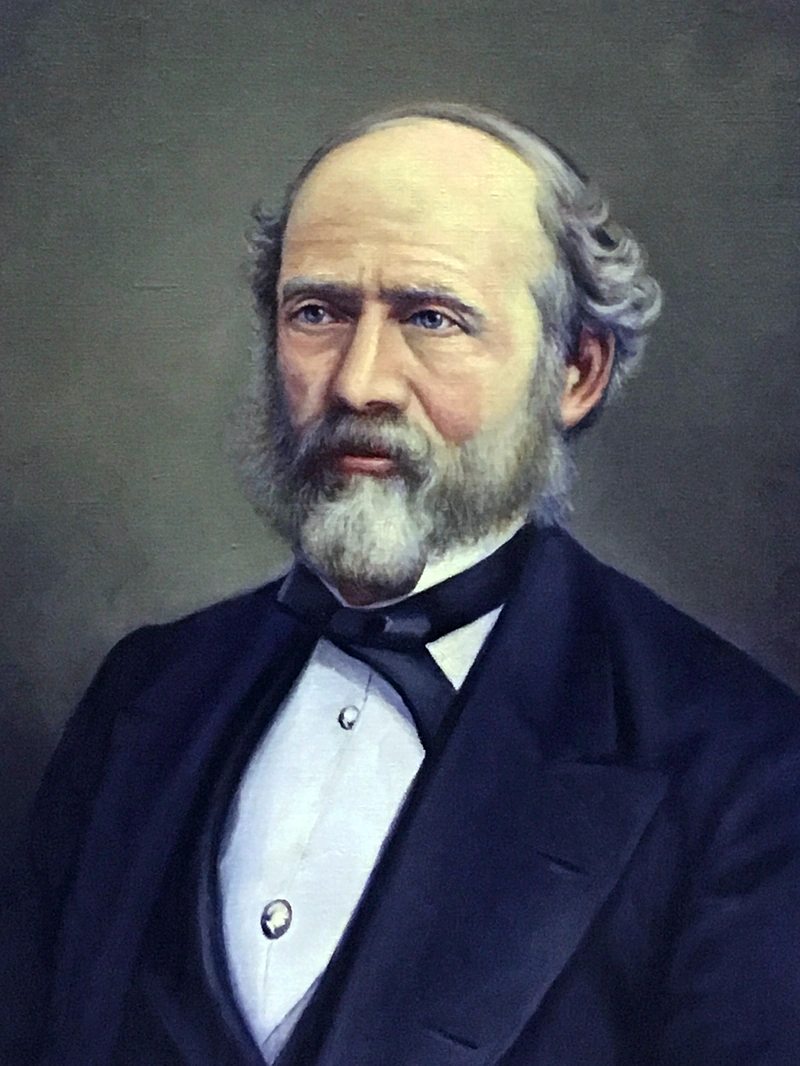
| 3 Quotes | |
| Known as | Sir Henry Morgan |
| Occup. | Criminal |
| From | Welsh |
| Died | August 25, 1688 Jamaica |
| Cite | |
Citation Formats
APA Style (7th ed.)
Henry morgan biography, facts and quotes. (2026, February 11). FixQuotes. https://fixquotes.com/authors/henry-morgan/
Chicago Style
"Henry Morgan biography, facts and quotes." FixQuotes. February 11, 2026. https://fixquotes.com/authors/henry-morgan/.
MLA Style (9th ed.)
"Henry Morgan biography, facts and quotes." FixQuotes, 11 Feb. 2026, https://fixquotes.com/authors/henry-morgan/. Accessed 5 Apr. 2026.
Origins and Early Years
Henry Morgan is widely believed to have been born in Wales in the mid-seventeenth century, though the exact parish and year remain uncertain. Accounts of his early life are fragmentary, a fact that later helped cultivate his legend. Some writers suggested humble beginnings; others linked him to minor gentry. What is more solid is the historical context that drew him from Britain: the expansion of English power in the Caribbean, the scramble for sugar wealth, and the frequent collision between English, Spanish, Dutch, and French interests. In this unsettled world, young men with maritime skill or martial ambition could rise swiftly.Arrival in the Caribbean
Morgan reached the Caribbean in the 1650s, a decade marked by the English conquest of Jamaica and recurring wars with Spain. Whether he arrived as a soldier, a seaman, or an indentured migrant is unclear, but by the early 1660s he was operating from Jamaica, the new English base at Port Royal. There he moved in a milieu of planters, merchants, and seafaring captains who alternated between trade, defense, and sanctioned raiding. Figures like the experienced naval officer Christopher Myngs set an example by striking Spanish targets under color of royal commissions, a pattern that would shape Morgan's own career.From Soldier to Privateer
With the appointment of Sir Thomas Modyford as governor of Jamaica, English policy favored use of privateering to pressure Spain while consolidating the island's economy. Modyford issued commissions to captains willing to attack enemy commerce and settlements, and Morgan rose among them. He proved adept at organizing multinational crews and negotiating with the loose fraternity of buccaneers who sailed from Port Royal and nearby havens. At this stage he was known as a disciplinarian who could coordinate disparate captains despite the temptations and rivalries that often unraveled such ventures.Raids on Spanish America
Morgan's fame grew through a series of strikes across the Spanish Main. He targeted coastal towns, fortifications, and shipping lanes that Spanish authorities struggled to defend. In these expeditions he worked alongside men such as Lawrence Prince and Joseph Bradley, captains who could gather manpower quickly but who relied on Morgan's planning for complex assaults. The operations were brutal and precarious, conducted in fever-ridden climates and amid constant risk of ambush. They brought spoils that enriched Port Royal's merchants and taverns and enraged Spanish officials, who denounced Morgan as a pirate even when he carried a commission.Panama and the High-Water Mark
The campaign culminating in the sack of Panama in 1671 became Morgan's most controversial feat. His commanders seized the fortress guarding the Chagres, a victory marred by the mortal wounding of Joseph Bradley, and then drove overland to Panama City. The march was arduous, through jungle and across river crossings where Spanish resistance and supply shortages threatened the enterprise. When the city fell and burned, the event sent shockwaves through the Atlantic world. To Spain, this was criminal depredation; to many in Jamaica and England, it was a daring blow against a rival empire. Complicating the picture, news of a new treaty between England and Spain had begun to circulate, raising questions about whether the expedition contravened metropolitan policy. The ambiguity put Morgan and his patron Modyford in political jeopardy.Arrest, Knighthood, and Office
In the aftermath, the Crown sought to manage diplomatic fallout. Modyford was arrested and transported to England. Morgan was eventually summoned as well. Rather than a definitive reckoning, the proceedings turned into a recalibration of imperial priorities. Morgan's popularity in Jamaica, his utility as a man who understood both buccaneers and planters, and shifting Anglo-Spanish relations all played roles in his rehabilitation. He was knighted by King Charles II and returned to Jamaica, where he was appointed to high office, serving as lieutenant governor and as a member of the island's council under governors such as John Vaughan. The once-accused raider now represented royal authority, a transformation that exemplified how the frontier blurred legal categories of war, commerce, and crime.Lieutenant Governor and Councilor
In office, Morgan confronted the very problem he had embodied: how to control violence at sea without undermining Jamaica's economy. He sat with councillors and planters, heard petitions, and dealt with captains whose loyalty shifted with opportunity. He sometimes clashed with Sir Thomas Lynch, another governor committed to curbing piracy and improving relations with Spain. Morgan publicly backed the Crown's treaties, condemned unsanctioned cruising, and supported measures against those who raided without commission. Yet the buccaneering tradition did not disappear overnight, and his name continued to attract men who remembered earlier campaigns. He acquired land and became a planter, took part in the island militia, and tried to channel maritime talent into legal trade and defense. His marriage in Jamaica tied him to local kin networks; his uncle Edward Morgan had held authority on the island, a link that helped root him in its political society.Health, Character, and Witnesses
Contemporaries described Morgan as forceful, pragmatic, and convivial, traits that served him in both the taverns of Port Royal and the council chamber. Later observers, including the physician and naturalist Hans Sloane, encountered him during the final phase of his life and noted his declining health. Accounts mention gout and dropsy, ailments not uncommon among elites in the tropical colonies who had access to abundant drink and rich food. These glimpses come alongside more hostile portraits, none more influential than the work of Alexandre Exquemelin, whose book on the buccaneers painted Morgan in dark colors. Morgan contested aspects of that portrayal through legal action against publishers, underscoring the contested nature of his reputation even in his own day.Final Years and Death
Morgan died in Jamaica in 1688. He was buried at Port Royal's cemetery on the Palisadoes, a resting place many prominent colonists shared. A few years later, the earthquake of 1692 devastated Port Royal and submerged parts of the city and its burial grounds, erasing physical traces of lives like his. This catastrophe contributed to the aura of legend surrounding him, as later generations searched for tangible remnants of the man who had once bestrode both the quarterdeck and the council table.Reputation, Law, and Legacy
Whether Henry Morgan was a criminal depends on where one stood in the seventeenth-century Atlantic. To Spanish officials and victims of his raids, he was a pirate whose actions brought suffering and loss. To many Jamaicans and Englishmen of his era, he was a licensed privateer who fought the Crown's enemies when formal fleets were scarce. His trajectory from buccaneer commander to knight and lieutenant governor captures the ambiguities of imperial law at the time, when treaties shifted, communications lagged, and colonial authorities like Modyford and Lynch struggled to reconcile metropolitan policy with local realities. Morgan's name later traveled far beyond archival pages and council minutes, becoming a symbol in popular culture and commerce. Yet the historical figure remains rooted in the particular world that made him: a Welshman of uncertain beginnings who rose in the Caribbean's volatile borderlands, surrounded by men like Christopher Myngs, Joseph Bradley, John Vaughan, and Hans Sloane, navigating between opportunity and obligation until his death closed a career that still resists simple labels.Our collection contains 3 quotes written by Henry, under the main topics: Witty One-Liners - Sarcastic.
Other people related to Henry: Hiawatha (Statesman)