
Henry Ossawa Tanner Biography Quotes 9 Report mistakes
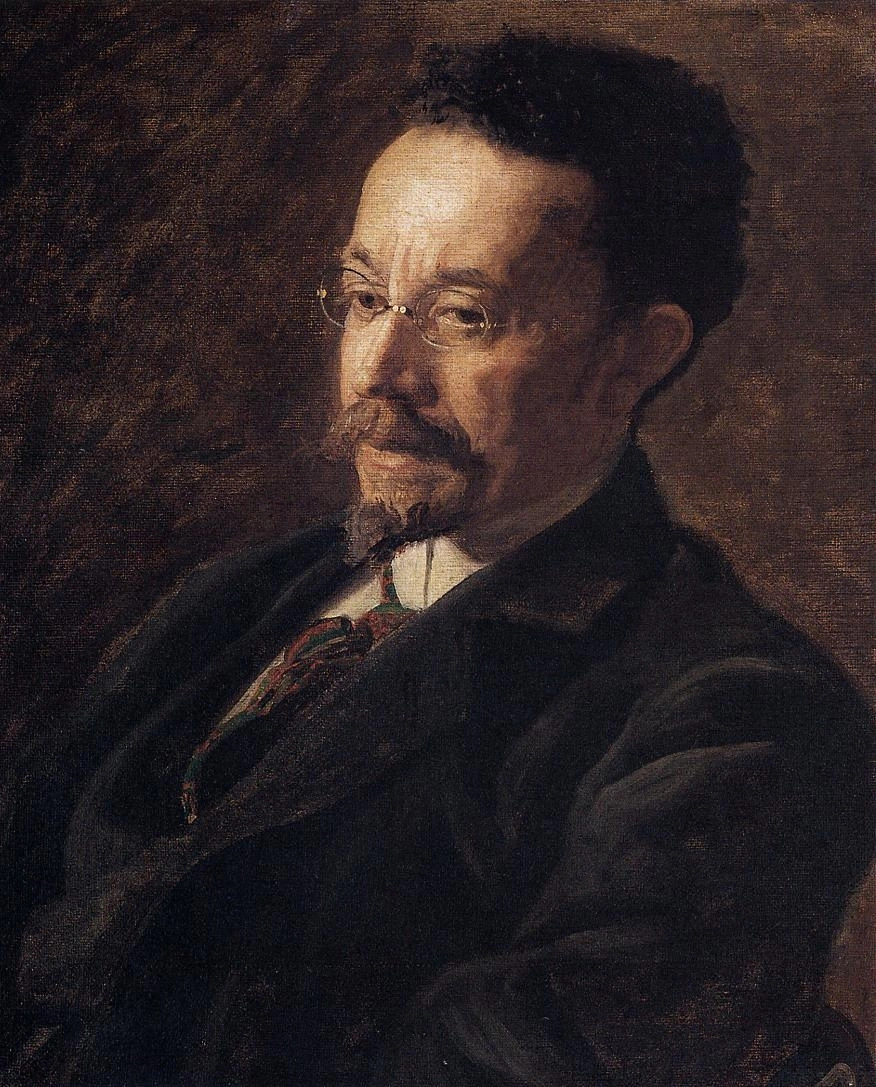
| 9 Quotes | |
| Occup. | Artist |
| From | USA |
| Born | June 21, 1859 Pittsburgh, Pennsylvania, U.S. |
| Died | May 25, 1937 Paris, France |
| Aged | 77 years |
| Cite | |
Citation Formats
APA Style (7th ed.)
Henry ossawa tanner biography, facts and quotes. (2026, February 11). FixQuotes. https://fixquotes.com/authors/henry-ossawa-tanner/
Chicago Style
"Henry Ossawa Tanner biography, facts and quotes." FixQuotes. February 11, 2026. https://fixquotes.com/authors/henry-ossawa-tanner/.
MLA Style (9th ed.)
"Henry Ossawa Tanner biography, facts and quotes." FixQuotes, 11 Feb. 2026, https://fixquotes.com/authors/henry-ossawa-tanner/. Accessed 22 Mar. 2026.
Early Life and Background
Henry Ossawa Tanner was born June 21, 1859, in Pittsburgh, Pennsylvania, into a household where faith and public purpose were daily disciplines. His father, Benjamin Tucker Tanner, was a minister and editor in the African Methodist Episcopal Church who rose to become a bishop; his mother, Sarah Elizabeth Miller Tanner, had escaped slavery via the Underground Railroad. That origin story - spiritual authority paired with the lived memory of bondage - gave Tanner both a sense of mission and a lifelong sensitivity to humiliation, aspiration, and the ways Black interior life was flattened by stereotype.As a boy he grew up largely in Philadelphia after the family moved there, absorbing the citys churches, lectures, and cultural institutions while watching Reconstruction hopes harden into the racial strictures of the Gilded Age. An early illness left him physically vulnerable, and he spent long hours drawing; in his own recollection, a decisive encounter with art in youth crystallized into vocation: “I decided on the spot that I would be an artist, and I assure you, it was no ordinary artist I had in mind”. That mixture of private resolve and public obstacle would define his path.
Education and Formative Influences
In 1880 Tanner entered the Pennsylvania Academy of the Fine Arts, one of the first African American students to do so, studying under Thomas Eakins at the height of Eakins insistence on anatomy, direct observation, and unsentimental truth. The training sharpened Tanners draftsmanship and respect for the real, even as social hostility made the academys rigor emotionally costly. He also encountered the museums and concert halls of Philadelphia, then traveled, painted, and taught intermittently, building a technical base sturdy enough to carry the more ambitious spiritual and psychological subjects he would later pursue.Career, Major Works, and Turning Points
Tanners early career moved between Philadelphia and Atlanta, including teaching at Clark College (later Clark Atlanta University), where he painted scenes of Black life that resisted caricature. The key turning point came in 1891 when he left for Paris, seeking a professional climate less defined by American racism; he studied at the Academie Julian and found support in the French art world. His breakthrough at the Paris Salon with Daniel in the Lions Den (1896) and The Resurrection of Lazarus (1896) established him as a serious history painter, and he soon became best known for Biblical narratives rendered with psychological intimacy and luminous atmosphere - The Annunciation (1898), Nicodemus Visiting Jesus (1899), and later The Disciples See Christ Walking on the Water (1907). He traveled repeatedly to North Africa and the Levant, using firsthand observation to anchor sacred stories in convincing light, architecture, and costume, while maintaining a modern, painterly handling that kept his work from academic stiffness. In 1899 he married Jessie Olsson, an American opera singer; their home life in France brought stability as his reputation grew, including French honors and American collectors who sought a figure both exemplary and difficult to categorize.Philosophy, Style, and Themes
Tanners inner life was a sustained negotiation between inheritance and chosen identity - a preachers son who made painting his pulpit, an American who found his widest professional freedom abroad, a Black artist who refused to be confined to either protest illustration or exotic spectacle. His own formulation was direct: “I will preach with my brush”. Yet his preaching was not didactic; it was an ethics of attention, a demand that viewers slow down long enough to meet human beings - peasants, elders, children, the poor, the faithful - with reverence rather than condescension.That ethic explains both his early genre paintings and his mature sacred works. He criticized depictions of African American life that mined humor without empathy: “Many of the artists who have represented Negro life have seen only the comic, ludicrous side of it, and have lacked sympathy with and appreciation for the warm big heart that dwells within such a rough exterior”. In his Biblical scenes he pursued a similar corrective, insisting that holiness emerges through ordinary human presence and believable settings: “My effort has been not only to put the Biblical incident in the original setting... but at the same time give the human touch to convey to my public the reverence and elevation these subjects impart to me”. Stylistically, he fused Eakins-bred realism with a French tonalism that let light carry meaning - candle glow pooling on hands, moonlight dissolving forms, color subdued into a moral atmosphere. The result is a body of work where faith is rendered as lived experience: hesitant, intimate, and dignified.
Legacy and Influence
Tanner died May 25, 1937, in Paris, having built one of the first truly international careers for an African American painter. His legacy is twofold: he expanded what Black artistic ambition could claim - not only subjects of race, but the grand traditions of history painting and religious art - and he quietly modernized those traditions through mood, light, and psychological realism. For later artists and writers, Tanner became proof that technical mastery and spiritual seriousness could coexist with racial candor, and that exile could be both a wound and a strategy. Museums today prize his major canvases not as exceptions within American art, but as central arguments that empathy, not spectacle, is the measure of greatness.Our collection contains 9 quotes written by Henry, under the main topics: Art - Equality - Respect - Decision-Making - Bible.
Source / external links