
Henry Rutgers Biography Quotes 1 Report mistakes
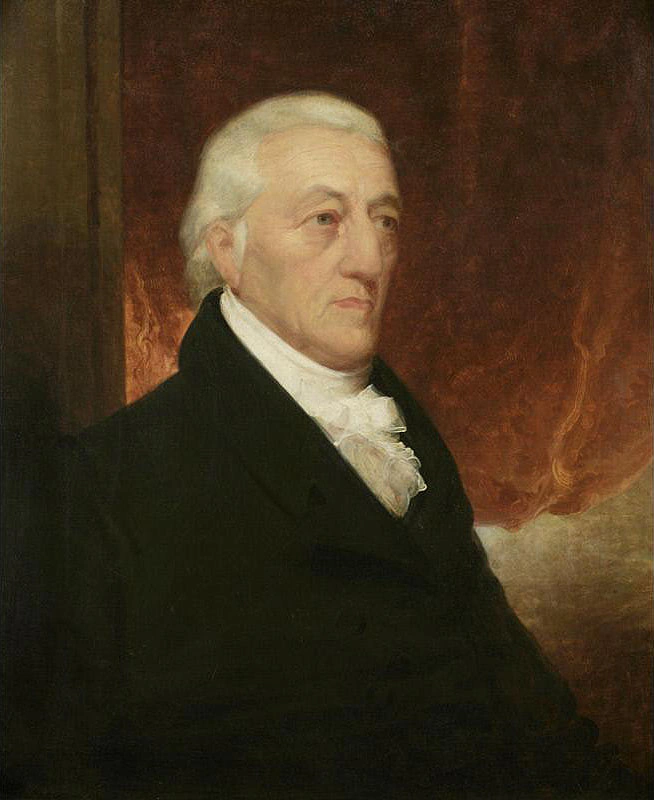
Attr: Henry Inman
| 1 Quotes | |
| Occup. | Businessman |
| From | USA |
| Born | October 7, 1745 |
| Died | February 17, 1830 |
| Aged | 84 years |
| Cite | |
Citation Formats
APA Style (7th ed.)
Henry rutgers biography, facts and quotes. (2026, February 11). FixQuotes. https://fixquotes.com/authors/henry-rutgers/
Chicago Style
"Henry Rutgers biography, facts and quotes." FixQuotes. February 11, 2026. https://fixquotes.com/authors/henry-rutgers/.
MLA Style (9th ed.)
"Henry Rutgers biography, facts and quotes." FixQuotes, 11 Feb. 2026, https://fixquotes.com/authors/henry-rutgers/. Accessed 12 Feb. 2026.
Early Life and Family
Henry Rutgers was born in 1745 into a long-established Dutch-descended family of New York, a clan whose name had been associated with land, trade, and public-spirited church life since the colonial period. He grew up in a city shaped by maritime commerce and the rhythms of the Dutch Reformed Church, and he absorbed a sense of duty that would mark his entire life. The Rutgers kin maintained extensive holdings on Manhattan's east side and participated in the bustling economy of a port whose fortunes were rising on the eve of the American Revolution. Although he would become one of the best-known New Yorkers of his generation, he never married, and his household centered on extended family, neighbors, and the circles of clergy, elders, and trustees with whom he worked.Revolutionary Commitment
When the colonies moved toward independence, Rutgers took the Patriot side and accepted responsibility as a militia officer, ultimately serving as a colonel. The city's strategic value ensured that his service was demanding. New York was occupied for much of the war, and like many Patriot landholders he saw property disrupted by military use, shortages, and dislocation. The Revolution did not confer glamour so much as a framework of obligation: he used his rank to press for discipline, relief for soldiers, and care for displaced civilians. After the fighting ended, he remained active in veterans' affairs and the civic housekeeping required to repair a battered metropolis.Land, Business, and Civic Work
With peace restored, Rutgers resumed the business of managing and improving family lands on Manhattan's east side, an expanse often referred to as the Rutgers farm. As immigration accelerated and the city pushed northward, he subdivided and leased parcels, laid out streets, and blended commercial sense with a landlord's responsibility. This work made him wealthy, but it also placed him at the center of a living neighborhood: schools, churches, and small shops depended on his decisions about lots and rents. Streets and places that still bear his name, such as Rutgers Street and Rutgers Slip, reflect both the scale of the family's holdings and his imprint on the city's map.Civic office followed naturally from his prominence. He served in the New York State Assembly and on municipal bodies, applying a temperament that valued thrift, order, and moral purpose. His closest working relationships were with other New York patriots, church elders, and ward leaders who labored over schools, roads, public health, and poor relief. Though he guarded his privacy, he was a familiar presence to pastors, trustees, and neighborhood organizers who came to him with petitions for lots, subscriptions, and sponsorships.
Faith and Philanthropy
Rutgers's philanthropy flowed from the religious culture in which he had been reared. As an elder and benefactor within the Dutch Reformed tradition, he gave land for congregations and backed religious societies that printed scriptures, trained ministers, and opened schools. He believed that a moral city required institutions as much as commerce did, and he was prepared to underwrite both. Clergy who knew him described a disciplined, sparing personal style that freed him to give generously in public.His most celebrated act of beneficence involved Queen's College in New Brunswick, a school founded under Dutch Reformed auspices that had fallen on hard times. The college's leaders appealed to prominent laymen for help, and their appeals reached Rutgers through church and trustee networks that connected New York and New Jersey. Among the voices urging him on was the influential minister and educator Philip Milledoler, who bridged pulpits and college halls and understood how a single gift could stabilize an institution.
Namesake of a College
Rutgers responded with money, moral support, and the symbolic gifts that knit a campus together. The trustees, determined to signal a fresh start and to honor the layman whose contribution helped secure the school's future, voted to rename the institution Rutgers College in 1825. He also presented a bell that became part of the daily life of the college, sounding across New Brunswick as a reminder that the survival of learning had required both the labor of professors and the allegiance of a civic-minded patron. The renaming placed his family's New York story into the broader narrative of American education, linking city philanthropy to a regional network of churches, students, and teachers.Neighborhood Stewardship
Even as his name traveled with the college, Rutgers remained a neighborhood steward in Manhattan. He treated his lands as a platform for small schools, charitable societies, and congregations that needed lots or meeting space. Pastors and trustees came to his parlor to discuss deeds and rents; immigrants found work and housing in districts that had been pasture in his youth; sailors and veterans sought aid through channels he supported. The Rutgers Presbyterian Church and other congregations that flourished near his properties testified to a pattern of giving that was practical rather than showy, rooted in the needs of blocks and wards rather than the fashions of society.Character and Relationships
Those who worked alongside Rutgers in church consistory rooms and trustee meetings depicted a man patient in committee and exact in accounts. He was not a platform orator; his influence operated through letters, board votes, and gifts conditioned on prudence. The most important people around him were not courtiers but collaborators: clergy like Philip Milledoler who could translate religious ideals into institutional resilience; trustees who raised subscriptions and balanced ledgers; and a circle of New York civic leaders and militia colleagues shaped by the Revolution's demands. Extended family remained close, tied to him by kinship, property, and the family's old Dutch networks that threaded through the city's merchant streets.Final Years and Legacy
Rutgers lived to see his name affixed to a college and his neighborhood transformed by growth that would have been unimaginable in his youth. He died in 1830, mourned by churchmen, former soldiers, and ordinary New Yorkers who recognized how often his quiet support had made their projects possible. He was laid to rest in New York, fittingly celebrated in services that emphasized faith, duty, and public charity rather than worldly pomp.His legacy is unusually legible. On Manhattan's map, streets and a waterfront slip record where his family's farm once met the river. In New Brunswick, a college that adopted his name matured into a great public institution whose origins are still narrated through the story of a lay benefactor who steadied it when help mattered most. Between those poles stands the image of Henry Rutgers himself: Revolutionary officer, careful landholder, steady legislator, and benefactor whose closest companions were trustees, pastors, neighbors, and veterans working with him to build durable civic and educational life in the new nation.
Our collection contains 1 quotes written by Henry, under the main topics: Learning.
Source / external links