
Herb Kohl Biography Quotes 10 Report mistakes
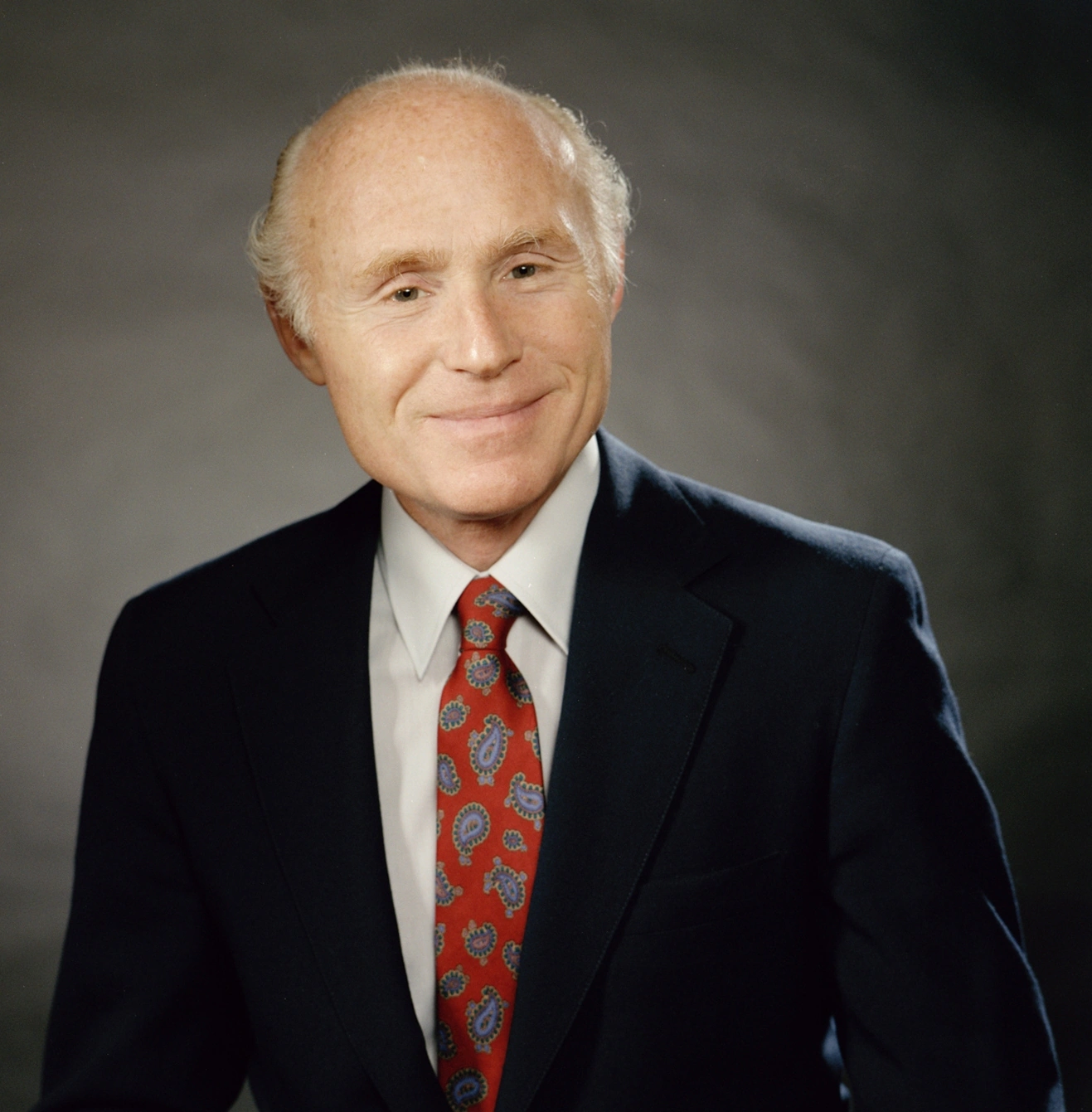
| 10 Quotes | |
| Born as | Herbert H. Kohl |
| Occup. | Politician |
| From | USA |
| Born | February 7, 1935 Milwaukee, Wisconsin |
| Age | 91 years |
| Cite | |
Citation Formats
APA Style (7th ed.)
Herb kohl biography, facts and quotes. (2026, February 11). FixQuotes. https://fixquotes.com/authors/herb-kohl/
Chicago Style
"Herb Kohl biography, facts and quotes." FixQuotes. February 11, 2026. https://fixquotes.com/authors/herb-kohl/.
MLA Style (9th ed.)
"Herb Kohl biography, facts and quotes." FixQuotes, 11 Feb. 2026, https://fixquotes.com/authors/herb-kohl/. Accessed 28 Mar. 2026.
Early Life and Background
Herbert H. "Herb" Kohl was born on February 7, 1935, in Milwaukee, Wisconsin, into a Jewish family whose identity was braided with the citys immigrant enterprise and civic habits. His father, Max Kohl, helped build Kohl's Food Stores, and the young Kohl grew up watching retailing not as glamour but as logistics, trust, and thin margins - a daily education in what communities need and what happens when money runs short. Milwaukee in the mid-20th century was both a manufacturing powerhouse and a laboratory for pragmatic local governance, a setting that rewarded moderation and attention to detail.That environment shaped Kohl's temperament: reserved, methodical, and unusually comfortable with the unflashy work of institutions. Long before he became a national figure, he cultivated a reputation for personal frugality and for treating public life as service rather than spectacle, a stance that later insulated him from the more performative incentives of late-20th-century politics. The citys mix of labor politics, ethnic neighborhoods, and hard-nosed business also gave him a durable instinct to bargain rather than posture.
Education and Formative Influences
Kohl studied at the University of Wisconsin and went on to earn an MBA from Harvard Business School, training that sharpened his preference for measurable outcomes and administrative competence. Returning to Milwaukee, he worked in the family grocery business, absorbing the granular economics of wages, pricing, and consumer pressure. In parallel, he built ties to Wisconsin civic life - charitable boards, local leaders, and public institutions - and internalized the states progressive tradition: government as a tool for fair rules, not as an abstract ideology.Career, Major Works, and Turning Points
Kohl entered electoral politics in the 1970s, winning the Milwaukee mayoralty in 1977 and serving one term before returning to business. His defining turn came in 1988, when he won election to the U.S. Senate as a Democrat and became a fixture of Wisconsins split-ticket pragmatism, serving from 1989 to 2013. In Washington he built influence through committee work rather than celebrity, notably as chair of the Senate Special Committee on Aging and as a member of the Judiciary Committee, where he pressed for accountability in confirmation hearings and consumer-facing policy. Outside the Senate, he became nationally known as the owner who in 1985 bought the Milwaukee Bucks to keep the team from leaving, later selling it in 2014 after securing new local ownership - an act that matched his broader pattern of institution-saving over personal brand-building.Philosophy, Style, and Themes
Kohl's inner politics were governed by a belief that public power should be concrete, legible, and answerable to ordinary people. His speech often framed issues as systems that either protect the vulnerable or quietly exploit them, and he favored fixes that improved access and fairness over symbolic victories. On the Judiciary Committee he insisted that the courts must hear the public as well as the law, telling nominees, “Before we decide to trust you with this power, we ask you to stand before the public and explain your views. Justice may be blind, but it should not be deaf”. The line doubles as self-portrait: cautious about authority, but insistent that authority justify itself.His economic sensibility, shaped by retail and by Wisconsin thrift, also made him attentive to household-level catastrophe. “Bankruptcy is a serious decision that people have to make”. In Kohl's worldview, that seriousness demanded policy that reduced predation and improved transparency - a moral economy in which markets were tolerated, even celebrated, so long as they were bounded by rules ordinary families could survive.
On social policy he tended toward incremental reform guided by protective instincts, especially where children and seniors were at stake. “We need to take steps to strengthen and mend Social Security so that its promise of a secure retirement is just as real for seniors in the future as it is today”. That sentence captures a recurring theme: preserve the core promise, adjust the machinery, and treat security in old age not as charity but as a contract between generations.
Legacy and Influence
Kohl left public life as a model of the low-drama senator: wealthy yet personally modest, locally rooted yet nationally consequential, and consistent in his emphasis on institutional stewardship. In Wisconsin he is remembered as a rare figure who used private means to reinforce public goods - from keeping the Bucks in Milwaukee to supporting education and civic projects through philanthropy - and as a legislator whose impact lay in hearings, oversight, and durable reforms rather than rhetorical flame. His era rewarded polarization; his career demonstrated the quieter power of competence, patience, and an insistence that government, at its best, protects people at their most exposed moments.Our collection contains 10 quotes written by Herb, under the main topics: Justice - Leadership - Sports - Hope - Parenting.
Other people related to Herb: Russ Feingold (Politician)
Source / external links