
Hillary Clinton Biography Quotes 41 Report mistakes
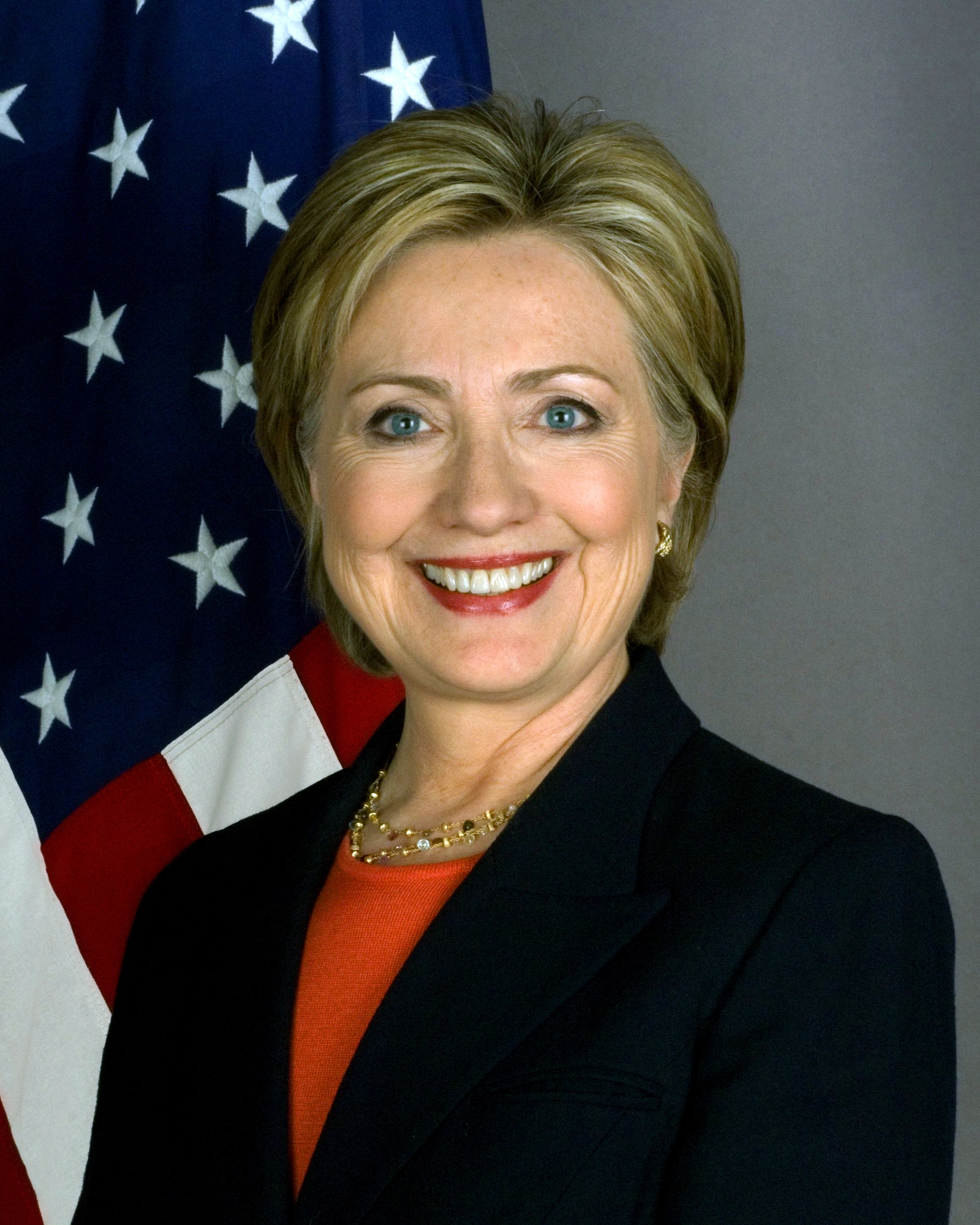
| 41 Quotes | |
| Born as | Hillary Diane Rodham |
| Occup. | Politician |
| From | USA |
| Born | October 26, 1947 Chicago, Illinois |
| Age | 78 years |
| Cite | |
Citation Formats
APA Style (7th ed.)
Hillary clinton biography, facts and quotes. (2026, February 11). FixQuotes. https://fixquotes.com/authors/hillary-clinton/
Chicago Style
"Hillary Clinton biography, facts and quotes." FixQuotes. February 11, 2026. https://fixquotes.com/authors/hillary-clinton/.
MLA Style (9th ed.)
"Hillary Clinton biography, facts and quotes." FixQuotes, 11 Feb. 2026, https://fixquotes.com/authors/hillary-clinton/. Accessed 6 Mar. 2026.
Early Life and Background
Hillary Diane Rodham was born on October 26, 1947, in Chicago, Illinois, and raised in the nearby suburb of Park Ridge. She grew up in a midcentury Republican household shaped by postwar prosperity, Cold War anxiety, and a strong ethic of self-discipline. Her father, Hugh Rodham, ran a small but successful drapery business; her mother, Dorothy Howell Rodham, brought to the home a harder-won resilience after an unstable childhood of her own. The family culture prized work, order, and personal responsibility, and it left Rodham with a lifelong tendency to treat politics not as spectacle but as a system to be managed, defended, and improved.The 1950s and early 1960s offered a civics lesson by osmosis: McCarthy-era fears, the civil rights movement, and the expanding expectations of educated women. Rodham came of age as the country debated who counted as fully protected by law and who would shape the national story. That tension between inherited tradition and widening social claims became a defining pressure in her inner life - a drive to prove competence in rooms that had not been built for her, paired with a moral insistence that government could widen opportunity if it was made to function.
Education and Formative Influences
Rodham attended Maine East High School and then Wellesley College, graduating in 1969, where campus politics sharpened her into a disciplined organizer and public speaker. A formative mix of influences followed: student activism, the civil rights and antiwar eras, and the pragmatic legal reform tradition she encountered at Yale Law School, where she earned her J.D. in 1973. Work for the Yale Child Study Center and the Children s Defense Fund, and later staff roles connected to the Watergate-era accountability push, helped fix her attention on institutions - courts, agencies, legislatures - as levers that could either fail vulnerable people or protect them.Career, Major Works, and Turning Points
After moving to Arkansas, Rodham taught law, practiced at the Rose Law Firm, and married Bill Clinton in 1975, entering a life where policy work and political scrutiny became inseparable. As First Lady of Arkansas and then First Lady of the United States (1993-2001), she built a public identity unusual for the role: not merely ceremonial but operational, most notably through the unsuccessful 1993-1994 effort to enact national health reform, a defeat that hardened her tactical caution and taught her the price of overreach. Elected U.S. senator from New York (2001-2009), she navigated post-9/11 security politics and domestic issues, then served as secretary of state (2009-2013) under President Barack Obama, representing the U.S. during the Arab Spring and an era of intensified digital exposure and distrust. Her 2008 and 2016 presidential campaigns - especially the 2016 race against Donald Trump, shaped by polarization, email controversies, and foreign interference - became turning points that recast her from policy operator to symbol in a culture war over expertise, gender, and legitimacy.Philosophy, Style, and Themes
Clinton s governing philosophy is technocratic and institution-centered: she tends to see problems as solvable through law, budgets, coalitions, and measurable outcomes, and she often treats politics as a high-stakes administrative craft. That mindset can sound stern - “We must stop thinking of the individual and start thinking about what is best for society”. Psychologically, it reflects both conviction and a protective habit: by emphasizing systems over personality, she seeks solidity in a world that repeatedly personalizes and sensationalizes her, sometimes to delegitimize her.Her themes also map a moral geography built from rights claims and public responsibilities. On democracy, she frames participation as a duty the state must safeguard: “Voting is the most precious right of every citizen, and we have a moral obligation to ensure the integrity of our voting process”. On women s autonomy, she links health to legal access and practical services rather than abstractions: “You cannot have maternal health without reproductive health. And reproductive health includes contraception and family planning and access to legal, safe abortion”. Across decades, her style blends lawyerly precision with disciplined message control - an approach that wins trust from policy professionals yet can read as guardedness to skeptics, especially in an era that rewards improvisation over briefed competence.
Legacy and Influence
Clinton s legacy is inseparable from the transformation of American politics into a permanent referendum on identity, media ecosystems, and institutional trust. She helped redefine the modern First Lady as a policy actor, expanded the visibility of women s leadership at the highest levels of U.S. government, and made girls and women s rights a central thread in mainstream foreign-policy rhetoric. At the same time, the controversies that surrounded her - from health reform backlash to email investigations - became templates for contemporary political combat, influencing how candidates are vetted, attacked, and defended. Her enduring influence lies in the debate she forced into the open: whether competence and incremental governance are virtues or liabilities in a populist age, and whether the barriers she confronted were personal to her or structural to the presidency itself.Our collection contains 41 quotes written by Hillary, under the main topics: Witty One-Liners - Justice - Friendship - Leadership - Freedom.
Other people related to Hillary: Anthony Weiner (Politician), George J. Mitchell (Politician), Charles Schumer (Politician), Antonio Villaraigosa (Politician), Dennis Kucinich (Politician), Sidney Blumenthal (Journalist), Evan Bayh (Politician), William Safire (Author), Stephanie Tubbs Jones (Politician), David Plouffe (Public Servant)