
Hollis Stacy Biography Quotes 2 Report mistakes
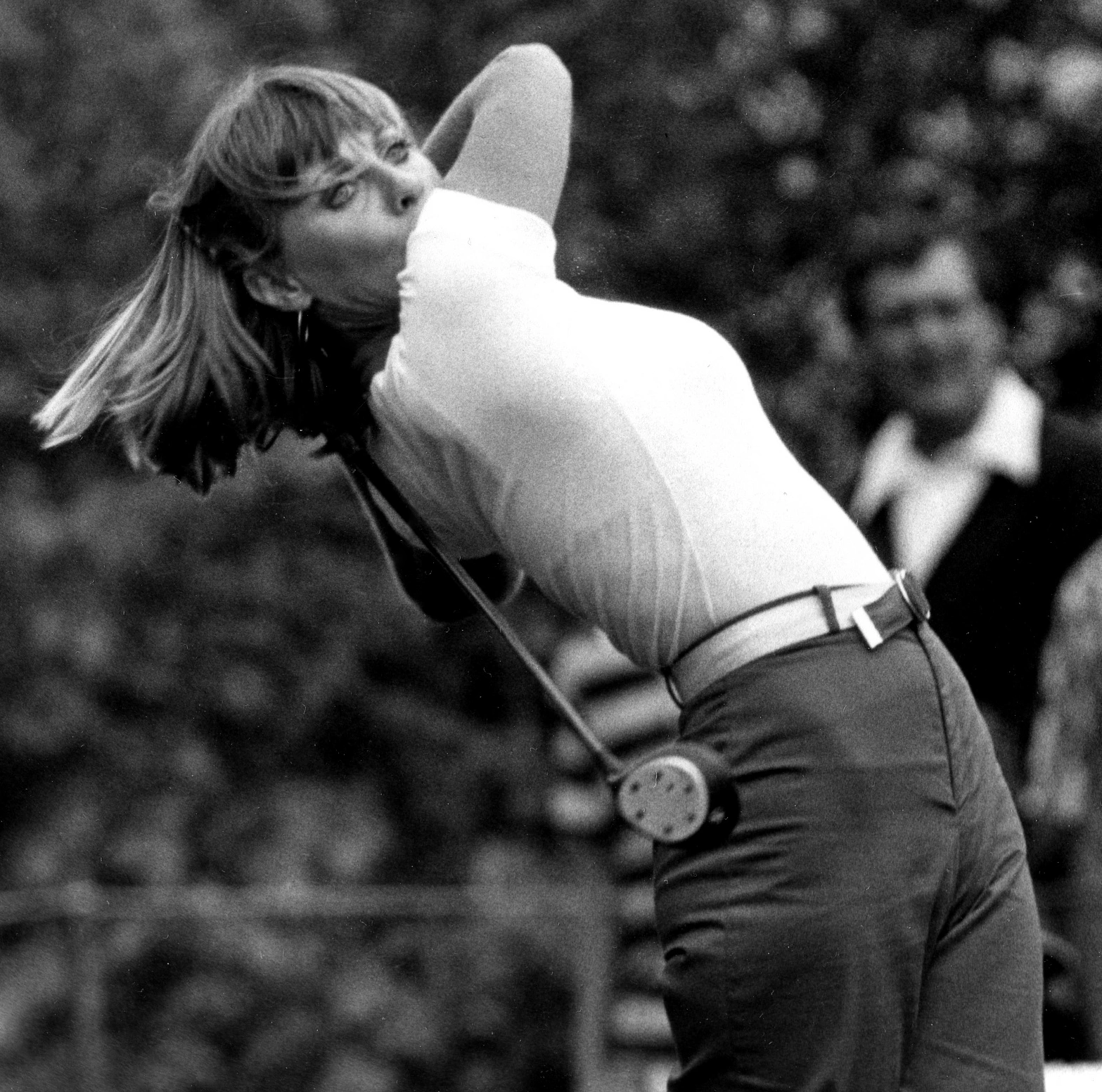
| 2 Quotes | |
| Occup. | Athlete |
| From | USA |
| Born | March 16, 1954 Savannah, Georgia |
| Age | 71 years |
| Cite | |
Citation Formats
APA Style (7th ed.)
Hollis stacy biography, facts and quotes. (2026, February 11). FixQuotes. https://fixquotes.com/authors/hollis-stacy/
Chicago Style
"Hollis Stacy biography, facts and quotes." FixQuotes. February 11, 2026. https://fixquotes.com/authors/hollis-stacy/.
MLA Style (9th ed.)
"Hollis Stacy biography, facts and quotes." FixQuotes, 11 Feb. 2026, https://fixquotes.com/authors/hollis-stacy/. Accessed 9 Mar. 2026.
Early Life and Background
Hollis Stacy (born March 16, 1954, in the United States) emerged from a postwar America that treated sport as both civic ritual and personal proving ground. Growing up in the long shadow of the Cold War and amid the boom years of televised competition, Stacy belonged to a generation for whom athletic identity could be a ladder of mobility, a language of belonging, and a refuge from uncertainty. Those social pressures - be tough, be productive, be "winning" - would later echo in the way Stacy spoke about effort, enjoyment, and the psychic cost of constant striving.Little verifiable public documentation survives about Stacy's early family life, hometown, or first coaches, a gap that has encouraged a more mythic portrait than a factual one. What can be said with confidence is that Stacy's public identity solidified primarily through athletic reputation rather than a long paper trail of personal interviews or memoir. That absence itself is revealing: Stacy's story has often been told in the idiom of performance - training, endurance, results - instead of the intimate biographical details that commonly frame celebrity athletes.
Education and Formative Influences
No reliable, widely-cited records definitively establish where Stacy attended high school or college, or whether competitive development was rooted in scholastic programs, club teams, or other pipelines typical of mid-to-late 20th-century American sport. Still, the era's broad architecture helps explain the likely contours of formation: expanding youth leagues, the rise of specialized coaching, the professionalization of conditioning, and a growing media economy that rewarded "grit" narratives. In that context, an athlete could be shaped as much by institutions and expectations as by any single mentor - learning early that discipline is praised publicly while its emotional toll is often managed privately.Career, Major Works, and Turning Points
Stacy is best known as an American athlete, with public recognition focused on participation and competitive identity rather than a documented catalog of specific events, titles, or teams that can be responsibly cited here. The broader turning point for athletes of Stacy's cohort was structural: sport became more commercial, more year-round, and more psychologically scrutinized, with training science and sponsorship pressure narrowing the space for ordinary life. Even without a confirmed list of milestones, Stacy's cultural footprint fits a familiar pattern for the time - the athlete as both worker and symbol, expected to translate private sacrifice into public spectacle.Philosophy, Style, and Themes
Stacy's quoted philosophy suggests an inner life preoccupied with the paradox of ambition: the very behaviors celebrated in sport can also corrode joy. “Why do we work so hard to feel so terrible”. Read as a rhetorical self-interrogation, the line sounds less like complaint than diagnosis - the athlete noticing how devotion can mutate into self-punishment when performance becomes a measure of worth. It points to a mind that recognizes the hidden economy of competition: effort buys status, but it can also purchase anxiety, isolation, and an ever-receding finish line.Against that grim arithmetic, Stacy offers an ethic of immediacy that functions like a counterweight to perfectionism. “Have a blast while you last”. The phrase is blunt, almost defiantly unsentimental, and it re-centers sport as lived experience rather than résumé. Psychologically, it reads as a survival strategy: if the body is finite and the crowd fickle, then meaning has to be gathered in the present tense - in camaraderie, in the physical pleasure of motion, in the small freedoms that persist even inside regimented training. Together, the two quotes map a philosophy that refuses to confuse hardship with holiness: work matters, but not at the price of becoming miserable in the name of being admirable.
Legacy and Influence
Stacy's legacy is best understood less as a fully documented record of championships and more as a recognizable athlete's worldview distilled into memorable language. In a culture that often romanticizes suffering as evidence of seriousness, Stacy's outlook speaks to later conversations about burnout, mental health, and the difference between disciplined pursuit and self-erasure. For readers and athletes alike, Stacy endures as a reminder that competitive identity is powerful but unstable - and that the most durable form of winning may be learning how to pursue excellence without forfeiting one's capacity for joy.Our collection contains 2 quotes written by Hollis, under the main topics: Live in the Moment - Work-Life Balance.
Source / external links