
Horst Koehler Biography Quotes 12 Report mistakes
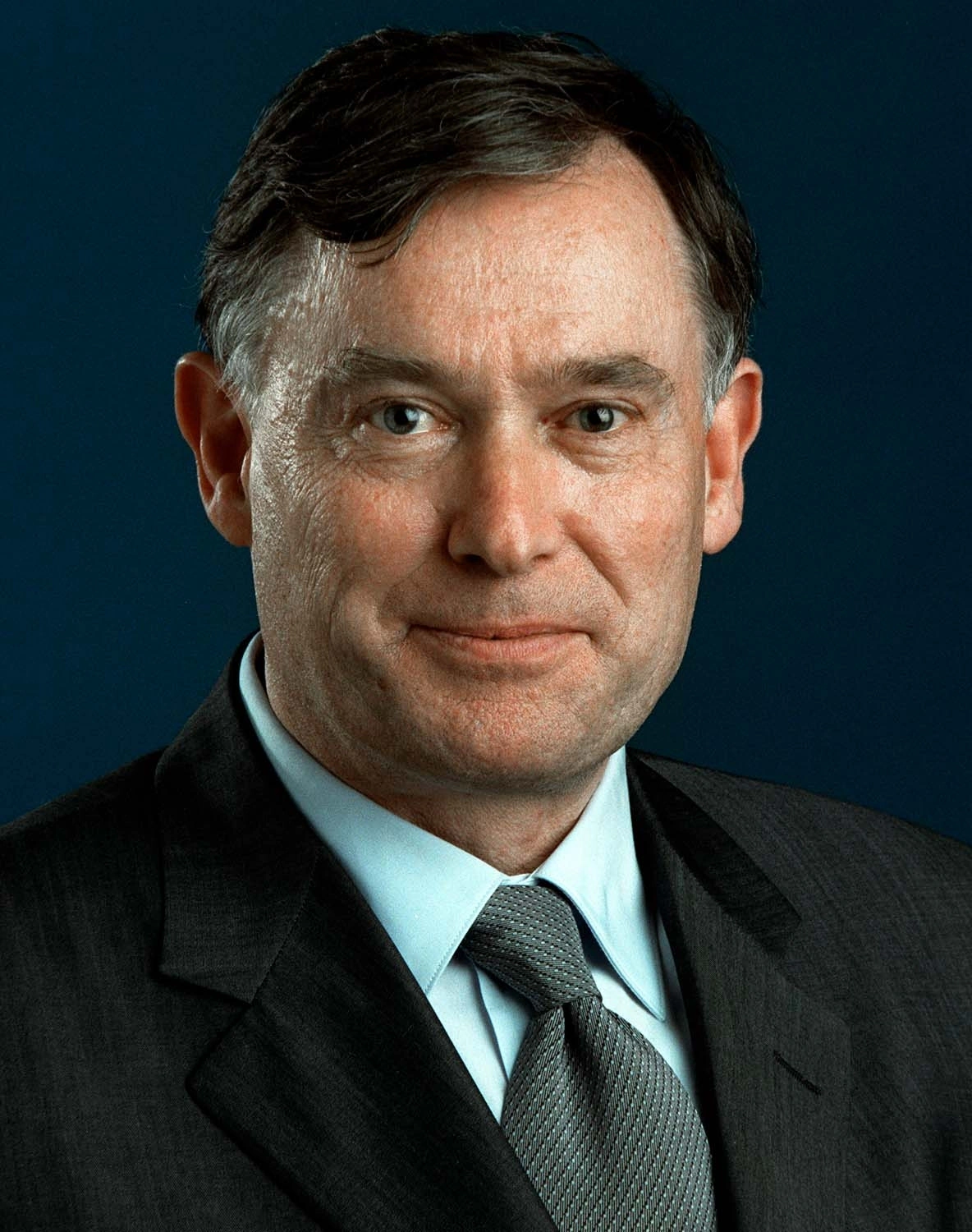
| 12 Quotes | |
| Born as | Horst Köhler |
| Occup. | Statesman |
| From | Germany |
| Born | February 22, 1943 Skierbieszów, Poland |
| Age | 83 years |
| Cite | |
Citation Formats
APA Style (7th ed.)
Horst koehler biography, facts and quotes. (2026, February 20). FixQuotes. https://fixquotes.com/authors/horst-koehler/
Chicago Style
"Horst Koehler biography, facts and quotes." FixQuotes. February 20, 2026. https://fixquotes.com/authors/horst-koehler/.
MLA Style (9th ed.)
"Horst Koehler biography, facts and quotes." FixQuotes, 20 Feb. 2026, https://fixquotes.com/authors/horst-koehler/. Accessed 29 Mar. 2026.
Early Life and Background
Horst Koehler (Horst Kohler), born 1943-02-22, entered the world in the violent twilight of the Second World War, in a Germany already marked by flight, loss, and shattered borders. His family were ethnic Germans from Bessarabia; like many Volksdeutsche communities caught between Nazi plans, Soviet advance, and collapsing front lines, they were uprooted and pushed west. The child Koehler carried that biography of displacement as a private baseline: history was not an abstract narrative but a force that could erase homes and reorder lives overnight.The postwar years placed him among the millions rebuilding amid rationing, moral reckoning, and the hard schooling of democracy. That early experience of contingency - of being drafted into history before one can choose anything - helps explain his later sensitivity to cohesion, dignity, and the limits of power. He belonged to the first generation to become politically adult in a Federal Republic tied to the Atlantic alliance and to European integration, and personally shaped by the memory of a country that had to relearn responsibility.
Education and Formative Influences
Koehler studied economics and political science, earning a doctorate in economics in 1977 at the University of Tuebingen with work on development policy. Training in the social market economy tradition, and exposure to the pragmatic, rules-based culture of West German public administration, oriented him toward institutions rather than ideology. A Protestant Christian, he absorbed an ethic of duty and restraint that later surfaced in his language about stewardship, solidarity, and the moral dimension of policy choices.Career, Major Works, and Turning Points
He entered federal service and rose through the Finance Ministry, becoming a key aide to Finance Minister Theo Waigel during the decisive years of German reunification and the run-up to the euro. Koehler served as Germany's sherpa to the G7/G8 and negotiated debt and financial packages that sharpened his reputation as a disciplined, internationally fluent technocrat. He then moved to the heart of global crisis management: president of the European Bank for Reconstruction and Development (1998-2000) and managing director of the International Monetary Fund (2000-2004), where he advocated debt relief and institutional reform while navigating the post-Asian-crisis, post-9/11 financial world. In 2004 the Federal Convention elected him the ninth president of the Federal Republic of Germany; he used the largely moral authority of the office to press for competitiveness, education, and global responsibility. A defining turning point came in 2010 when he resigned abruptly after controversy over remarks on overseas deployments and economic interests, a rare act in German presidential history that underscored how seriously he took the office's credibility.Philosophy, Style, and Themes
Koehler's public philosophy fused Atlanticism, European integration, and a cautious moral universalism shaped by biography and faith. He argued that German sovereignty was real only inside networks of alliance and compromise, insisting: “Germany must be a country which generates political ideas and leadership, which is capable of compromise, which is sovereign and yet knows that it needs its partners on both sides of the Atlantic”. This was less a slogan than a psychological posture - a displaced child's refusal of nationalist illusions, paired with an economist's belief that interdependence is not weakness but structure.His rhetoric often turned from budgets to conscience. Africa, for Koehler, was a moral mirror as much as a policy domain: “In my view, the humanity of our world can be measured against the fate of Africa”. He tied freedom to reciprocal dignity rather than mere self-assertion, warning that liberty without regard becomes coercion in disguise: “Responsibility and respect of others and their religious beliefs are also part of freedom”. Stylistically, he preferred compact, earnest sentences and an appeal to shared effort, projecting a temperament that distrusted theatrical politics and sought legitimacy through seriousness, work, and a quietly Christian sense of accountability.
Legacy and Influence
Koehler's legacy sits between technocracy and moral admonition: a president who tried to widen Germany's self-understanding from export success to civic resilience, from European stability to global obligation. As IMF leader he is remembered for pushing debt relief and for a reformist tone that anticipated later debates about legitimacy in global finance. As head of state he modeled a presidency of plain speech and institutional respect, and his resignation - controversial but principled in intent - became part of the office's modern history, reinforcing the German expectation that moral authority is earned, fragile, and ultimately nontransferable.Our collection contains 12 quotes written by Horst, under the main topics: Motivational - Ethics & Morality - Leadership - Freedom - War.
Source / external links