
Hunter S. Thompson Biography Quotes 26 Report mistakes
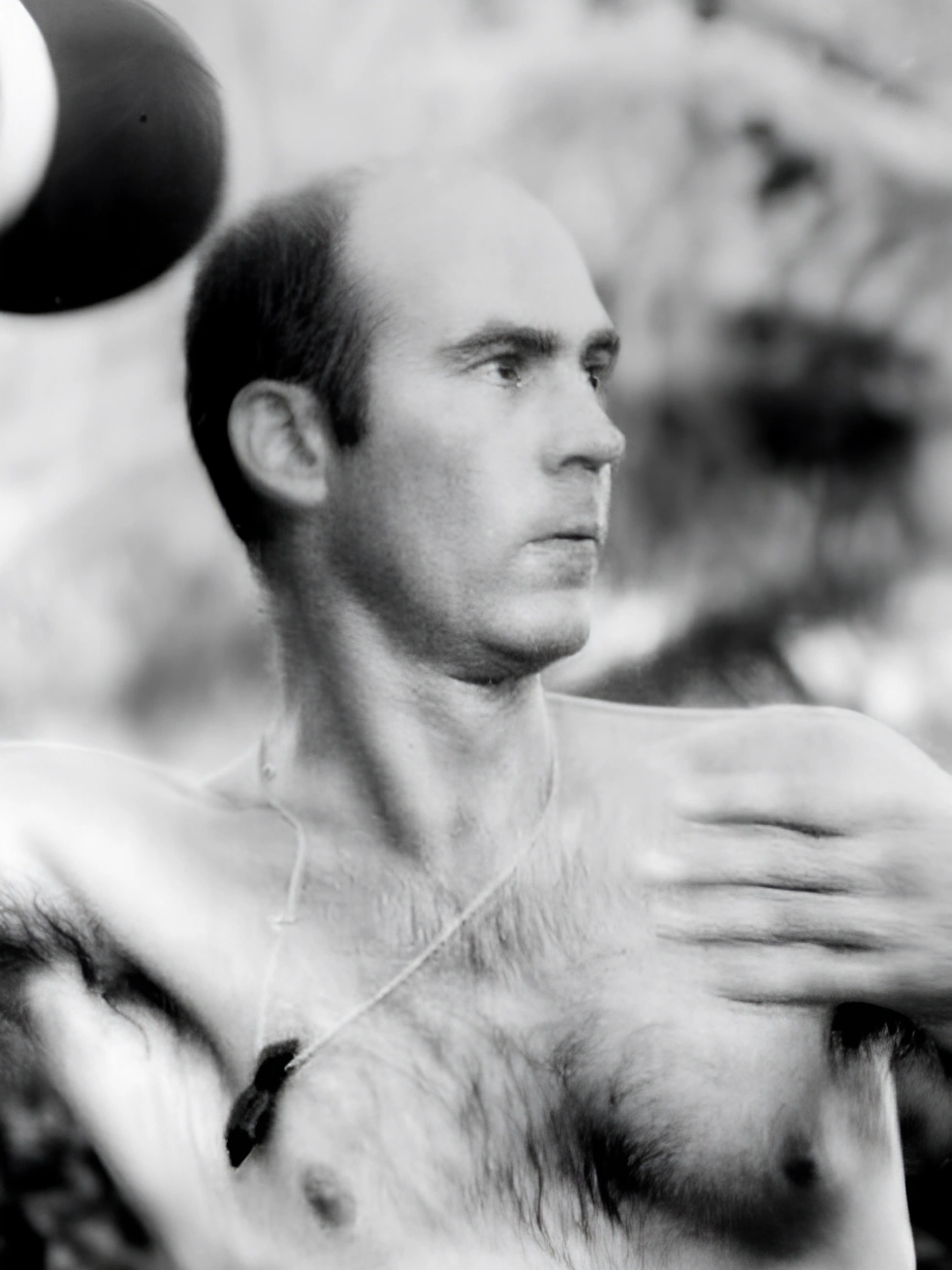
| 26 Quotes | |
| Born as | Hunter Stockton Thompson |
| Occup. | Journalist |
| From | USA |
| Born | July 18, 1937 Louisville, Kentucky, USA |
| Died | February 20, 2005 Woody Creek, Colorado, USA |
| Cause | suicide by gunshot |
| Aged | 67 years |
| Cite | |
Citation Formats
APA Style (7th ed.)
Hunter s. thompson biography, facts and quotes. (2026, February 11). FixQuotes. https://fixquotes.com/authors/hunter-s-thompson/
Chicago Style
"Hunter S. Thompson biography, facts and quotes." FixQuotes. February 11, 2026. https://fixquotes.com/authors/hunter-s-thompson/.
MLA Style (9th ed.)
"Hunter S. Thompson biography, facts and quotes." FixQuotes, 11 Feb. 2026, https://fixquotes.com/authors/hunter-s-thompson/. Accessed 5 Mar. 2026.
Early Life and Background
Hunter Stockton Thompson was born on July 18, 1937, in Louisville, Kentucky, into a white, middle-class South that still carried the habits of segregation and the anxieties of post-Depression respectability. His father, Jack Thompson, worked in insurance; his mother, Virginia, was a librarian who prized books and discipline. Thompson grew up with a feel for the ritual language of civic life - schools, churches, local newspapers - while sensing the coercion underneath it, an early template for the later Thompson who would treat American institutions as performances staged to conceal appetite and power.When Jack Thompson died in 1952, the household tightened around money and control, and Thompson's restlessness hardened into defiance. As a teenager he wrote for school publications, read voraciously, and tangled with authority; by 1956, after a brush with the law, he left Louisville under pressure, a young man already convinced that freedom in America was often a matter of flight. That sense of exile - chosen and enforced at once - became part of his adult persona: the witness who cannot quite belong, and therefore sees too much.
Education and Formative Influences
Thompson briefly attended the University of Louisville but did not settle into formal education; instead he built himself through apprenticeship and imitation, a method he later mythologized by retyping The Great Gatsby and A Farewell to Arms to absorb rhythm and sentence craft. In 1957 he joined the U.S. Air Force and wrote for base newspapers, learning deadlines and the politics of command while cultivating the stance of the chronicler who can outwrite the rules. After his discharge in 1958, he worked as a copyboy at Time in New York, then chased stories and trouble through Puerto Rico, where he wrote the early novel The Rum Diary (published much later) and took notes on expatriate hustle and colonial leisure - experiences that sharpened his disgust for boosterism and his attraction to marginal zones where official narratives frayed.Career, Major Works, and Turning Points
By the mid-1960s Thompson had turned freelancing into a vocation and antagonism into a tool, publishing Hell's Angels (1967) after living with the biker club and finally being beaten by them - a violent culmination that confirmed his belief that immersion had consequences and that the reporter's body belonged inside the story. The next pivot was the early 1970s, when his "gonzo" method fused first-person confession, political reporting, and satiric hallucination: "The Kentucky Derby Is Decadent and Depraved" (1970) announced the style, Fear and Loathing in Las Vegas (1971-72) turned the death of 1960s idealism into a desert fever dream, and Fear and Loathing on the Campaign Trail '72 (1973) delivered the most psychologically acute account of modern American electoral theater, written close enough to smell the fear in hotel corridors. He settled at Owl Farm near Woody Creek, Colorado, and from that fortified solitude - part newsroom, part siege - he produced journalism, books, and a public identity that grew larger even as his faith in the republic shrank.Philosophy, Style, and Themes
Thompson's core philosophy was that "objective" reportage often served power by pretending not to. He answered with a deliberately contaminated voice - frantic, funny, profane, and precise about motives - using exaggeration not to escape truth but to corner it. The gonzo persona is frequently misread as mere indulgence; in practice it was a defensive apparatus, a way to admit bias and therefore measure it, to show how fear and desire shape perception. His sentences move by velocity: clipped reportage slamming into baroque metaphor, a style suited to an America he saw speeding toward spectacle, privatization, and violence dressed as entertainment.His inner life, as he presented it, was governed by tests of nerve and authenticity, the urge to find limits and watch what people do there. “The Edge... there is no honest way to explain it because the only people who really know where it is are the ones who have gone over”. That line is less bravado than confession: he suspected that meaning is revealed under pressure, and he distrusted anyone who claimed wisdom without risk. He also believed survival required cunning rather than purity - “Call on God, but row away from the rocks”. Even his most flamboyant denunciations were moral arguments about systems that reward cynicism; his famous contempt for television reads like a sociology of corruption and self-erasure inside media markets: "The TV business is uglier than most things. It is normally perceived as some kind of cruel and shallow money trench through the heart of the journalism industry, a long plastic hallway where thieves and pim
Our collection contains 26 quotes written by Hunter, under the main topics: Witty One-Liners - Ethics & Morality - Wisdom - Truth - Justice.
Other people related to Hunter: G. B. Trudeau (Cartoonist), Alex Cox (Director), Terry Gilliam (Director), Jim Mitchell (Director)
Hunter S. Thompson Famous Works
- 1998 The Rum Diary (Novel)
- 1988 Generation of Swine: Tales of Shame and Degradation in the '80s (Book)
- 1983 The Curse of Lono (Book)
- 1973 Fear and Loathing on the Campaign Trail '72 (Book)
- 1972 Fear and Loathing in Las Vegas (Novel)
- 1966 Hell's Angels: The Strange and Terrible Saga of the Outlaw Motorcycle Gangs (Book)