
Ian Fleming Biography Quotes 6 Report mistakes
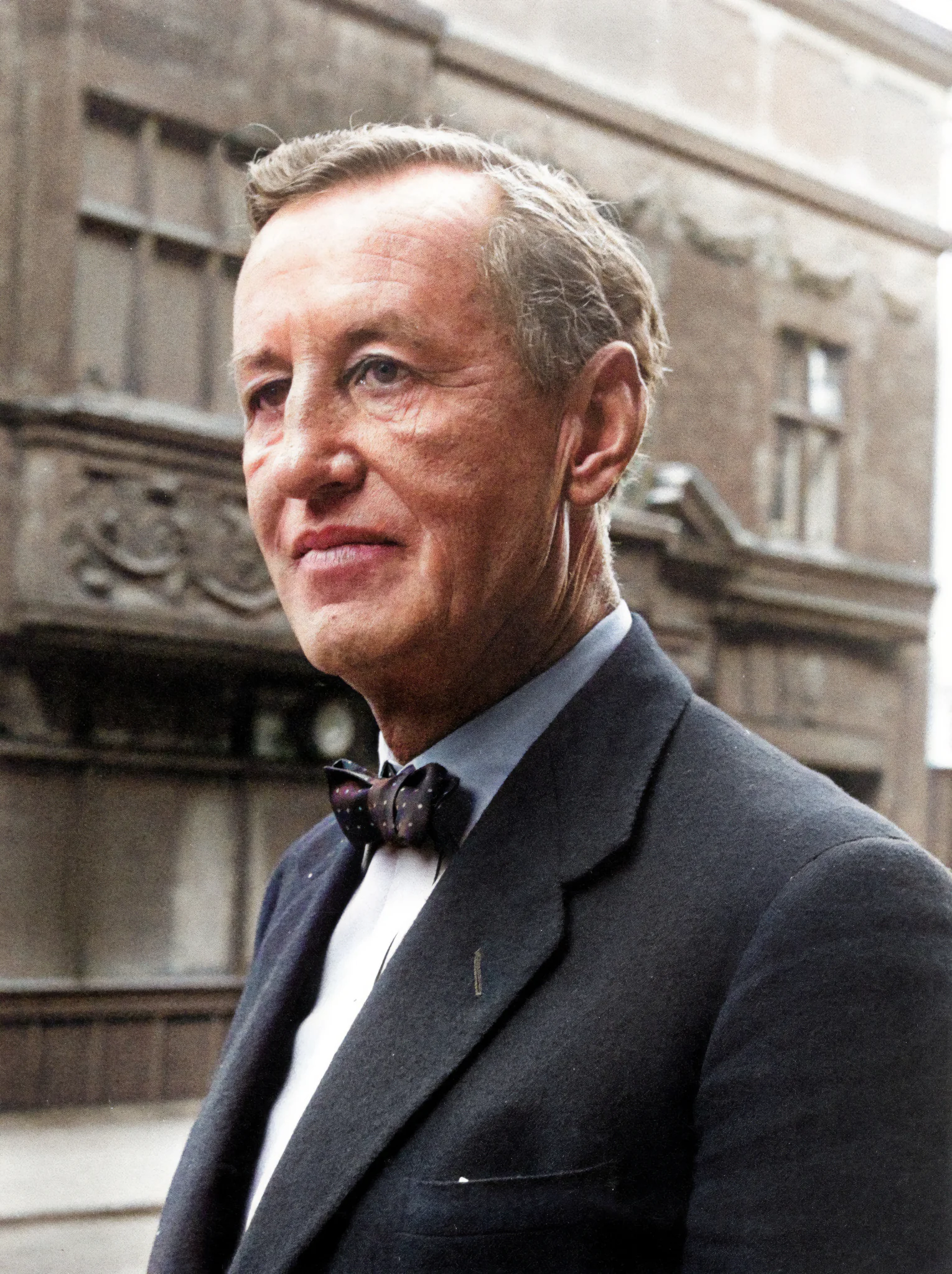
| 6 Quotes | |
| Born as | Ian Lancaster Fleming |
| Occup. | Author |
| From | United Kingdom |
| Born | May 28, 1908 Mayfair, London, United Kingdom |
| Died | August 12, 1964 Canterbury, Kent, United Kingdom |
| Cause | Heart attack |
| Aged | 56 years |
| Cite | |
Citation Formats
APA Style (7th ed.)
Ian fleming biography, facts and quotes. (2026, February 11). FixQuotes. https://fixquotes.com/authors/ian-fleming/
Chicago Style
"Ian Fleming biography, facts and quotes." FixQuotes. February 11, 2026. https://fixquotes.com/authors/ian-fleming/.
MLA Style (9th ed.)
"Ian Fleming biography, facts and quotes." FixQuotes, 11 Feb. 2026, https://fixquotes.com/authors/ian-fleming/. Accessed 27 Mar. 2026.
Early Life and Background
Ian Lancaster Fleming was born on May 28, 1908, in London into a family whose money and connections were inseparable from the machinery of British power. His father, Valentine Fleming, a Conservative MP and decorated officer, was killed on the Western Front in 1917, an absence that became a lifelong template for duty romanticized and loss disguised as stoicism. His mother, Evelyn "Eve" Fleming, managed the household with social ambition and steel, pushing her sons toward distinction while holding them to an exacting standard of polish.Fleming grew up between privilege and anxiety: country-house ease shadowed by the knowledge that status must be maintained by performance. He was athletic, often restless, and felt both protected by class and trapped by it - a tension that later fed his fascination with masked identities, clubland rituals, and the idea that competence could be an erotic form of control. The interwar world he came of age in was one of fading imperial certainty and new, mechanized threat, conditions that would make his later blend of tradition and modern menace feel inevitable.
Education and Formative Influences
He attended Eton College, where he edited school publications and absorbed the codes of the British elite, then trained at Sandhurst briefly before studying in Switzerland at Kitzbuhel and later Munich, acquiring languages and the cosmopolitan eye of a young man watching Europe harden toward crisis. Short stints in journalism and a period at Reuters shaped his feel for pace and detail; a 1933 assignment in Moscow exposed him to the theater of authoritarian power. In the 1930s he worked in banking and as a stockbroker, learning risk as a daily discipline - and learning how money, information, and access circulate in the same closed rooms.Career, Major Works, and Turning Points
World War II made Fleming into the professional he had been imitating. As an intelligence officer in the Royal Navy, he served as personal assistant to Admiral John Godfrey and became a gifted organizer of deception, liaison, and operational imagination - contributing ideas that ranged from intelligence-gathering schemes to the conceptual groundwork around commando raiding and misdirection. The work gave him what he needed for fiction: bureaucratic reality, technical textures, and the moral grayness behind official heroism. After the war he became foreign manager at the Sunday Times, traveling widely. In 1946 he bought land on Jamaicas north coast and built Goldeneye, a retreat where he began a strict annual ritual: writing a new novel each winter. Casino Royale (1953) introduced James Bond with a jolt of postwar ruthlessness, followed by Live and Let Die (1954), Moonraker (1955), Diamonds Are Forever (1956), From Russia, with Love (1957), Dr. No (1958), Goldfinger (1959), Thunderball (1961), The Spy Who Loved Me (1962), and You Only Live Twice (1964), plus the stories of For Your Eyes Only (1960) and Octopussy and The Living Daylights (published posthumously). The 1962 film Dr. No turned his private fantasy of competence into a global industry even as his health - heavy smoking, drinking, and a punishing work rhythm - narrowed his time; he died in Canterbury on August 12, 1964, after heart disease.Philosophy, Style, and Themes
Flemings inner life was a contest between romantic appetite and an almost clerical commitment to procedures. Bond is not a superhero but a craftsman of danger: he notices the brand of a gun, the cut of a suit, the angle of a room. That fetish for specifics is psychological, not merely decorative - a way to tame fear with inventory. His fiction rarely pretends that heroism is clean; it is performed by men who endure pain, accept compromise, and return to work the next day as if emotion were a luxury item left at the hotel. The result is a style that reads like a briefing crossed with a dream, where sensuality and logistics keep each other honest.The books also confess a bleak clarity about mortality and the impulse to gamble against it. “You only live twice. Once when you are born and once when you look death in the face”. That sentence is a manifesto for Flemings postwar generation, trained to treat catastrophe as an appointment. Yet the philosophy is not merely fatalism; it is defiance with manners. “I shall not waste my days in trying to prolong them”. Bond lives by that rule, consuming pleasure and risk as if both were proofs of existence. Flemings treatment of women is inseparable from his era and his own ambivalences - desire mixed with control, admiration with objectification - condensed in the line “A woman should be an illusion”. In his world, surfaces are power, and intimacy is another cover identity.
Legacy and Influence
Fleming changed popular storytelling by giving the Cold War a mythology that felt tactile: the taste of champagne, the click of a safety catch, the fatigue behind a quip. His novels helped define the modern spy thriller and exported a stylized Britain - clubby, capable, wounded, and still performing authority - to a mass audience. The Bond films expanded and softened aspects of his harder, more melancholy books, but they preserved his core invention: the fantasy that professionalism can be a form of courage in an age of hidden wars. Decades after his death, Flemings influence persists in espionage fiction, action cinema, and the language of cool itself - proof that his private winters at Goldeneye became one of the most durable public imaginations of the twentieth century.Our collection contains 6 quotes written by Ian, under the main topics: Witty One-Liners - Mortality - Live in the Moment - Romantic.
Other people related to Ian: William Plomer (Writer), Christopher Lee (Actor), Len Deighton (Historian), Terence Young (Director), Jeffery Deaver (Writer)
Ian Fleming Famous Works
- 1957 From Russia with Love (Novel)
- 1956 Diamonds Are Forever (Novel)
- 1955 Moonraker (Novel)
- 1954 Live and Let Die (Novel)
- 1953 Casino Royale (Novel)
Source / external links