
Immaculee Ilibagiza Biography Quotes 5 Report mistakes
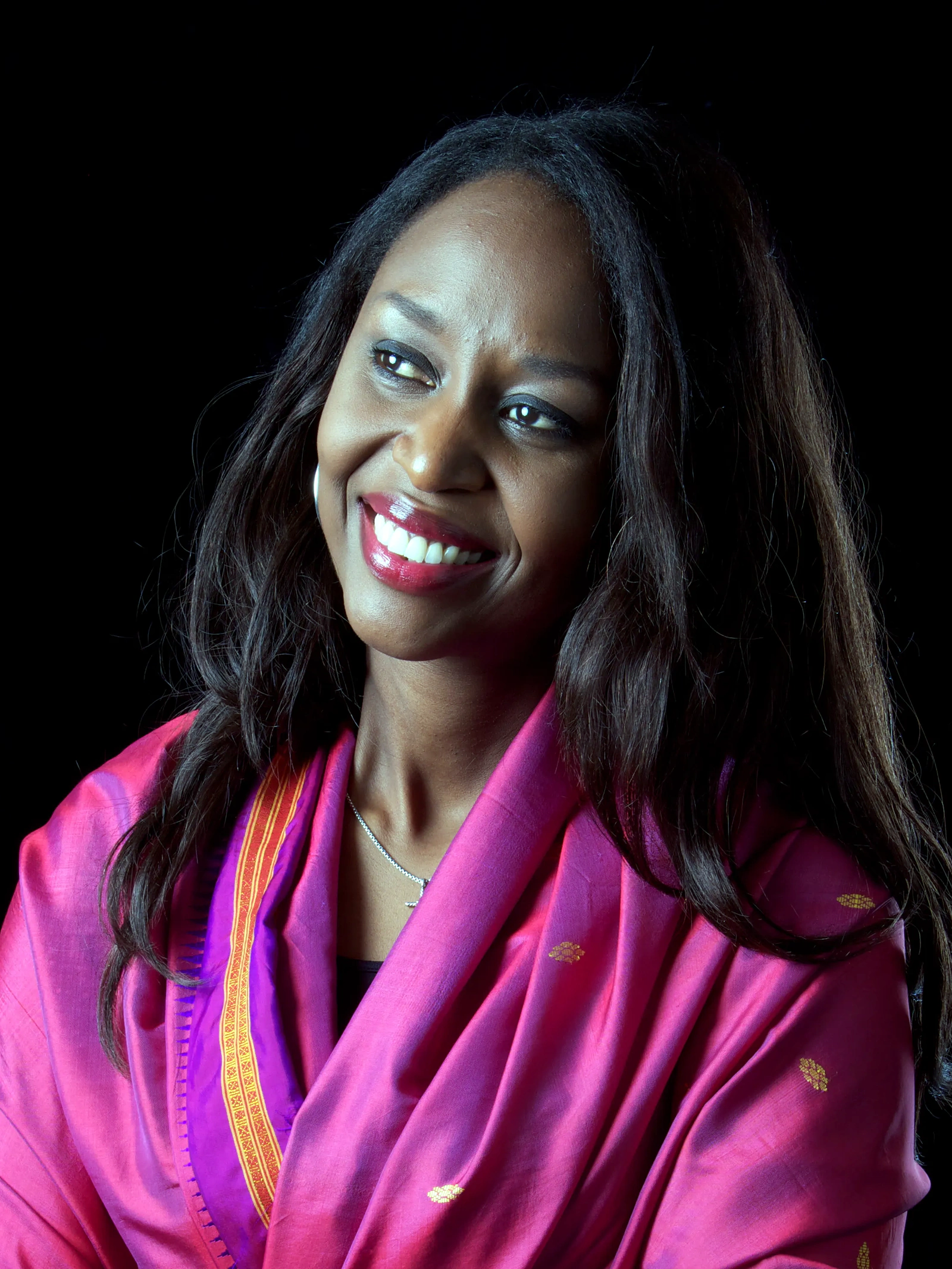
Attr: The Record Newspaper
| 5 Quotes | |
| Native name | Immaculée Ilibagiza |
| Occup. | Author |
| From | Rwanda |
| Spouse | Bryan Hiner |
| Born | 1970 Mataba, Gisenyi Prefecture, Rwanda |
| Cite | |
Citation Formats
APA Style (7th ed.)
Immaculee ilibagiza biography, facts and quotes. (2026, March 8). FixQuotes. https://fixquotes.com/authors/immaculee-ilibagiza/
Chicago Style
"Immaculee Ilibagiza biography, facts and quotes." FixQuotes. March 8, 2026. https://fixquotes.com/authors/immaculee-ilibagiza/.
MLA Style (9th ed.)
"Immaculee Ilibagiza biography, facts and quotes." FixQuotes, 8 Mar. 2026, https://fixquotes.com/authors/immaculee-ilibagiza/. Accessed 13 Mar. 2026.
Early Life and Background
Immaculee Ilibagiza was born in 1972 in rural western Rwanda, in the Kibuye region, into a devout Catholic family whose household stood at the intersection of Hutu and Tutsi histories. Her father, Leonard, was a respected local educator and civic figure; her mother, Rose, gave the home its moral center. They raised their children with discipline, prayer, and an unusual insistence on human equality in a country increasingly organized around ethnic suspicion. Ilibagiza later recalled a childhood shaped by schoolyard labels she did not fully understand at first - "Hutu" and "Tutsi" - words that adults around her knew could decide safety, livelihood, and belonging. That tension between innocence and encoded danger became one of the defining pressures of her inner life.She came of age as postcolonial Rwanda hardened under political propaganda, quota systems, and recurring anti-Tutsi violence. By the early 1990s, the country was a tinderbox: civil war, extremist radio, militia organization, and a state that normalized exclusion. In April 1994, after the assassination of President Juvenal Habyarimana, that pressure erupted into the genocide against the Tutsi. Ilibagiza, then a young university student home from school, was hidden by a Hutu pastor in a cramped bathroom with seven other women for 91 days while killers searched nearby. During that period most of her immediate family, including her parents and two brothers, were murdered; only one brother survived. The extremity of that confinement - bodily stillness, constant terror, and radical isolation - became the crucible from which her later authorship, religious witness, and public voice emerged.
Education and Formative Influences
Before 1994, Ilibagiza was pursuing higher education in Rwanda, part of a generation for whom schooling promised both mobility and dignity despite ethnic discrimination. Her education was never merely academic: it was formed by Catholic devotion, Marian piety, the cadences of prayer learned at home, and the lived contradiction between Christian teaching and political hatred all around her. During her hiding, those earlier influences condensed into a discipline of spiritual survival. She prayed the rosary incessantly, read whatever religious material she could access, struggled with rage and grief, and taught herself to redirect obsessive fear into meditation on mercy. After the genocide she rebuilt her life with unusual speed and resolve - first in the shattered moral landscape of Rwanda, then abroad, eventually settling in the United States. That migration widened her audience and sharpened her vocation: to translate a specifically Rwandan catastrophe into universal moral language without diluting its historical reality.Career, Major Works, and Turning Points
Ilibagiza became internationally known through her memoir Left to Tell, published in 2006, a work that fused survivor testimony, spiritual autobiography, and meditation on forgiveness. It reached a wide readership because it did more than recount atrocity; it narrated the making of an interior life under annihilating pressure. She followed it with Led by Faith, which traced the disorienting afterlife of survival, and later works including The Rosary, Our Lady of Kibeho, and The Boy Who Met Jesus, extending her focus from memoir to devotional reflection and Marian spirituality. Public speaking, retreat work, and media appearances made her a recognizable global advocate for reconciliation. One decisive turning point was her prison encounter with the man who had helped kill her mother and brother: instead of vengeance, she offered forgiveness. Another was her embrace of authorship itself, turning private prayer and trauma into literature aimed at readers far beyond Rwanda - survivors, believers, and those seeking a language for moral repair.Philosophy, Style, and Themes
At the center of Ilibagiza's writing is a claim many readers find almost unbearable in its difficulty: that forgiveness is not the denial of evil but the refusal to let evil become one's final identity. Her prose is direct, testimonial, and emotionally transparent rather than formally elaborate. She writes as someone for whom metaphysics was tested under the most concrete conditions - thirst, overcrowding, the sound of machetes, the knowledge of family annihilation. This gives her spirituality a hard edge. “Faith moves mountains, if faith were easy there would be no mountains”. The sentence reveals the structure of her psychology: faith is not comfort but labor against despair, an act of will undertaken when no worldly evidence guarantees rescue.Her recurring themes are love as resistance, prayer as mental discipline, and forgiveness as liberation from captivity to hatred. “I've seen hatred and I have seen love. And love is more powerful”. That conviction is neither sentimental nor abstract; it arises from intimate proximity to genocidal violence and therefore carries the authority of contrast. Likewise, when she writes, “The power of forgiveness is huge; it is really big, and it can save this world”. , she is describing a moral technology she believes prevented her own spiritual destruction. Her books repeatedly dramatize an inner argument between vengeance and surrender to God, and they favor humble, accessible language because her intended audience is not the specialist but the wounded conscience. Even her Marian writing reflects this bent: apparitions matter less to her than the ethical commands they intensify - repentance, compassion, and a clean heart.
Legacy and Influence
Ilibagiza's legacy sits at the crossroads of genocide memory, Christian testimony, and self-help literature about healing after trauma. For many readers she has become one of the most widely recognized Rwandan survivor-authors, helping personalize a history often reduced to statistics and diplomatic failure. Critics may debate the theological framing of political catastrophe, yet her influence is undeniable: she has made forgiveness imaginable in contexts where it seems obscene, and in doing so has forced audiences to confront the difference between justice and revenge. Her work endures because it does not offer historical explanation alone; it stages a struggle for the soul after mass violence. In that sense, Immaculee Ilibagiza is not only a memoirist of Rwanda's darkest season but a global interpreter of what survival demands when memory, grief, and faith must coexist.Our collection contains 5 quotes written by Immaculee, under the main topics: Love - Faith - Forgiveness - God.
Source / external links