
Ingmar Bergman Biography Quotes 4 Report mistakes
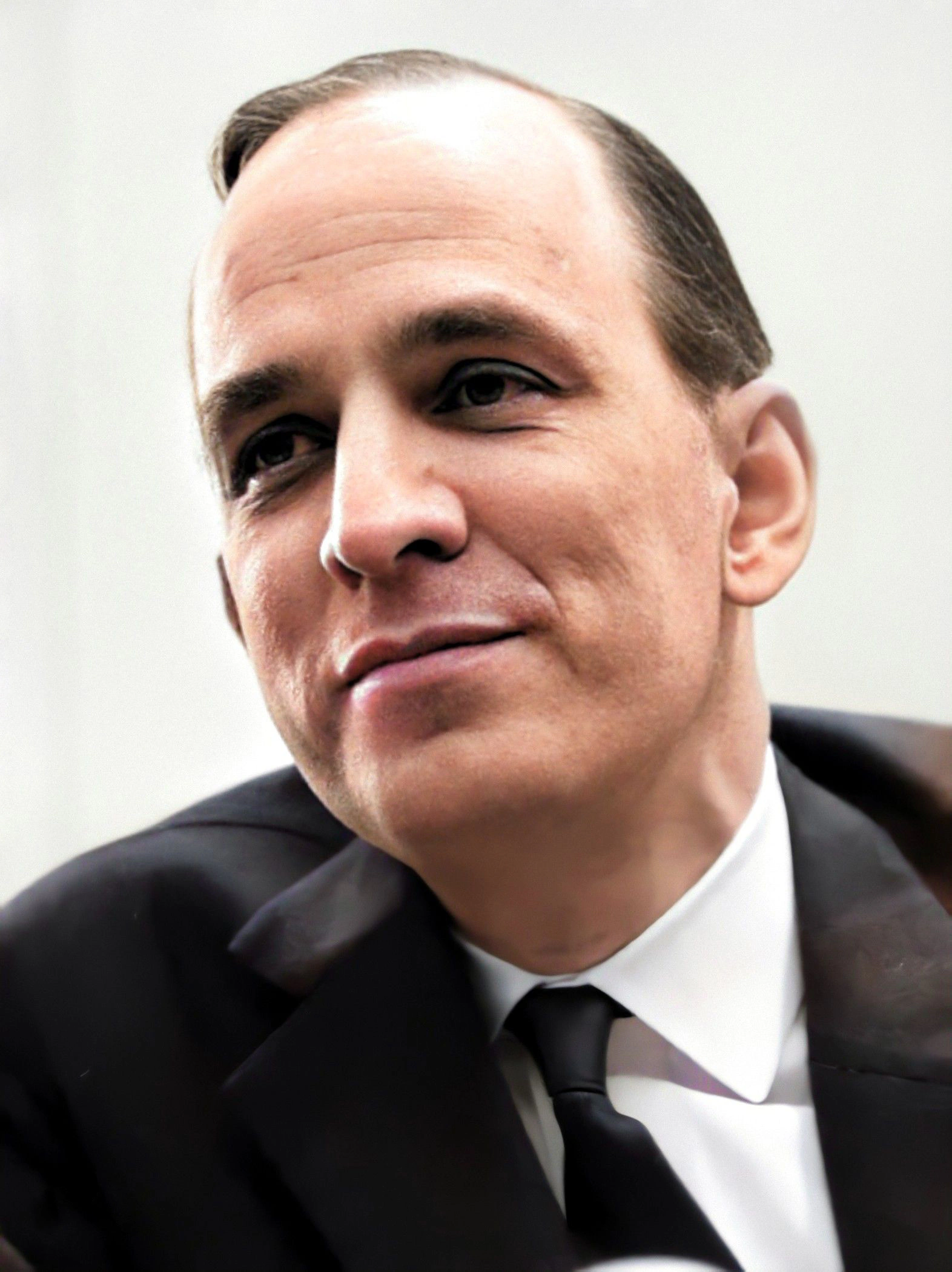
Attr: Joost Evers / Anefo, CC BY-SA 3.0
| 4 Quotes | |
| Born as | Ernst Ingmar Bergman |
| Occup. | Director |
| From | Sweden |
| Spouses | Käbi Laretei (1943–1945) Ellen Lundström (1945–1950) Gun Grut (1951–1959) Käbi Laretei (1959–1969) Ingrid von Rosen (1971–1995) |
| Born | July 14, 1918 Uppsala, Sweden |
| Died | June 30, 2007 Fårö, Sweden |
| Cause | Natural causes |
| Aged | 88 years |
| Cite | |
Citation Formats
APA Style (7th ed.)
Ingmar bergman biography, facts and quotes. (2026, February 11). FixQuotes. https://fixquotes.com/authors/ingmar-bergman/
Chicago Style
"Ingmar Bergman biography, facts and quotes." FixQuotes. February 11, 2026. https://fixquotes.com/authors/ingmar-bergman/.
MLA Style (9th ed.)
"Ingmar Bergman biography, facts and quotes." FixQuotes, 11 Feb. 2026, https://fixquotes.com/authors/ingmar-bergman/. Accessed 6 Mar. 2026.
Early Life and Background
Ernst Ingmar Bergman was born on 1918-07-14 in Uppsala, Sweden, into a household shaped by ritual and authority. His father, Erik Bergman, was a Lutheran pastor (later chaplain to the Swedish royal court), and the family climate mixed moral discipline with performance - sermons, confessions, punishments, and pageantry. That atmosphere left Bergman with lifelong material: the tyranny of conscience, the fear of abandonment, the seductions of belief, and the theatricality of power.Childhood was marked by emotional volatility and a vivid inner life. Bergman later described early experiences of humiliation and strictness alongside private refuges of imagination - puppets, lanterns, and the primitive magic of projected light. Sweden between the wars offered security and restraint, a society proud of order and sobriety; Bergman would spend his career excavating what such order concealed: erotic need, envy, doubt, cruelty, and the craving for tenderness.
Education and Formative Influences
He studied at Stockholm University in the late 1930s, but the decisive education happened in rehearsal rooms and backstage corridors. Bergman immersed himself in student theater, staged and adapted plays, and absorbed Strindberg, Ibsen, and the modernist tradition that treated the family as a battlefield and language as both weapon and mask. He learned the discipline of actors, timing, and lighting - and just as importantly, he learned how institutions function, how reputations are built, and how a director can become both priest and interrogator.Career, Major Works, and Turning Points
Bergman entered Swedish film as a scriptwriter (notably for Alf Sjoberg) and directed his first feature, Crisis, in 1946, then refined a personal cinema through the 1950s with works such as Summer with Monika and Smiles of a Summer Night. International breakthroughs arrived with The Seventh Seal and Wild Strawberries (both 1957), which linked metaphysical dread to intimate psychological realism. In the 1960s he pushed form and confession in Through a Glass Darkly, Winter Light, The Silence, and Persona, building a stark grammar of faces, rooms, and silences. The early 1970s brought mass reach with Scenes from a Marriage, while Fanny and Alexander (1982) offered a late synthesis of autobiography, theater, and spiritual ambiguity. A defining rupture came in 1976 when Bergman was arrested in Sweden over tax allegations; though later cleared, he went into self-imposed exile in Munich, returning to work with deepened bitterness toward bureaucracy and fragility toward public shame. In later decades he increasingly focused on theater and television, living on Faro and writing works that revisited family tyranny, artistic obsession, and the cost of intimacy.Philosophy, Style, and Themes
Bergman treated film as an instrument for entering the unconscious with the directness of music, privileging rhythm, faces, and the moral electricity between bodies. He articulated cinema as an art that bypasses intellectual defenses: “Film as dream, film as music. No art passes our conscience in the way film does, and goes directly to our feelings, deep down into the dark rooms of our souls”. That is not rhetoric but method: the close-up as confession, the cut as intrusion, the sparse room as a pressure chamber. His scripts often functioned like architectural plans for emotion, later completed through image and performance: “I write scripts to serve as skeletons awaiting the flesh and sinew of images”. The result was a cinema where narrative could narrow into a duel between two voices, two gazes, or two memories - and still feel epic because the stakes were spiritual.Psychologically, his work circles a wound: the longing for grace without the consolations of certainty. Pastors, actresses, doctors, and children recur as archetypes of his own split allegiances - faith and skepticism, discipline and desire, the need to control and the terror of loneliness. Even when confronting religious institutions, he resisted pious closure, insisting on doubt as a form of honesty: “I hope I never get so old I get religious”. Yet his films are not anti-spiritual so much as anti-falsehood; they search for moments of human mercy that might substitute for metaphysical rescue. The famous Bergman landscape - harsh light, bare walls, sea horizons, and the isolating island - is less Sweden-as-postcard than Sweden-as-psyche, a stage for shame, erotic bargaining, and the fragile labor of speaking truth.
Legacy and Influence
Bergman died on 2007-06-30 on Faro, Sweden, leaving one of the most scrutinized bodies of work in modern cinema. He expanded what a director could be: a dramatist of the close-up, a theologian of doubt, and a choreographer of performance whose collaborations (especially with actors such as Liv Ullmann, Bibi Andersson, Gunnar Bjornstrand, and Max von Sydow, and cinematographer Sven Nykvist) set standards for psychological realism. His influence runs through European art film and beyond, shaping filmmakers who treat cinema as confession, argument, and dream. Just as enduring is the Bergman paradox: the private man who feared exposure, and the artist who made exposure his subject - turning Swedish rooms, marriages, and consciences into a universal language of faces in search of absolution.Our collection contains 4 quotes written by Ingmar, under the main topics: Witty One-Liners - Movie - Faith.
Other people related to Ingmar: Michelangelo Antonioni (Director), Bille August (Director), Vincent Canby (Critic), Roger Corman (Producer), Elliott Gould (Actor)
Source / external links