
Irv Kupcinet Biography Quotes 10 Report mistakes
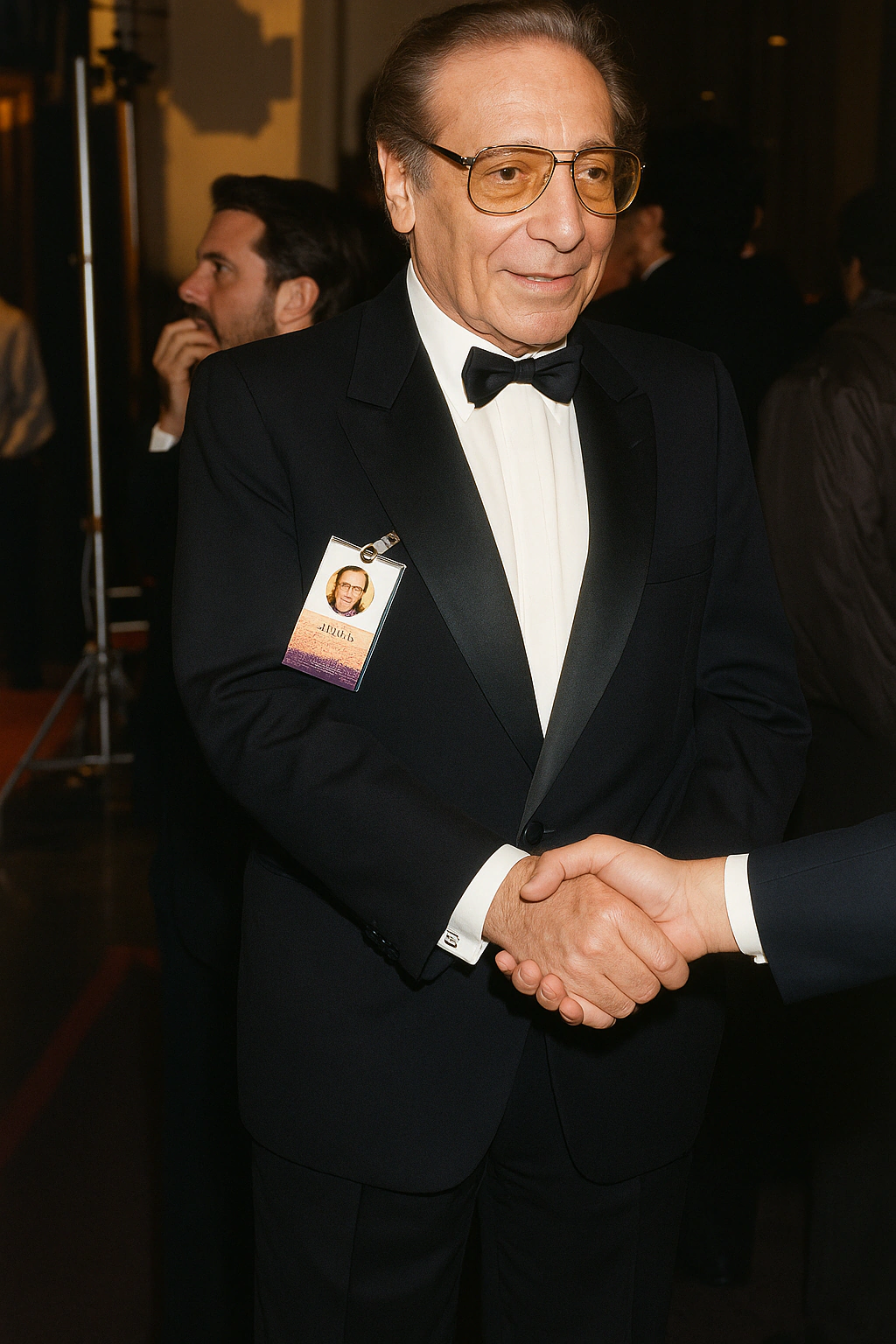
Attr: Alan Light
| 10 Quotes | |
| Born as | Irving Kupcinet |
| Occup. | Journalist |
| From | USA |
| Born | July 31, 1912 Chicago, Illinois, United States |
| Died | November 10, 2003 Chicago, Illinois, United States |
| Aged | 91 years |
| Cite | |
Citation Formats
APA Style (7th ed.)
Irv kupcinet biography, facts and quotes. (2026, February 21). FixQuotes. https://fixquotes.com/authors/irv-kupcinet/
Chicago Style
"Irv Kupcinet biography, facts and quotes." FixQuotes. February 21, 2026. https://fixquotes.com/authors/irv-kupcinet/.
MLA Style (9th ed.)
"Irv Kupcinet biography, facts and quotes." FixQuotes, 21 Feb. 2026, https://fixquotes.com/authors/irv-kupcinet/. Accessed 5 Mar. 2026.
Early Life and Background
Irving Kupcinet was born on July 31, 1912, in Chicago, Illinois, the son of Eastern European Jewish immigrants in a city defined by ethnic neighborhoods, machine politics, and headline-making crime. He grew up on the West Side as Chicago barreled through Prohibition and the early Depression years, when street life and hustling energy coexisted with tight family economies and strict expectations about work. That mix - urgency, humor, skepticism, and appetite for characters - later became the grain of his writing voice.Home was not literary but disciplined. Kupcinet often described how the rhythm of labor shaped his stamina and his sense of obligation to readers. “As a kid, I'd get up at 3 in the morning during school vacations to help my father on his bakery-truck route. He didn't get a vacation from that schedule”. The lesson was less about hardship than about continuity: show up, keep moving, keep your word.
Education and Formative Influences
Kupcinet attended Harrison High School on Chicago's West Side, where extracurricular life offered a route into public identity and storytelling. “My freshman year at Harrison High School, I saw a journalism class where students were putting out a weekly newspaper. It touched a responsive chord in me”. He went on to Northwestern University in 1930, arriving with athletic ambitions that competed with newsroom aspiration: “By the time I got to Northwestern University in 1930, I was a football bum more interested in being an All-Star player and signing on with a pro team than going after a newspaper job”. That tension between sports and journalism never went away; he turned it into a professional advantage by treating the sports world as a front door into civic life and celebrity culture.Career, Major Works, and Turning Points
Kupcinet played briefly in the NFL for the Philadelphia Eagles, then pivoted decisively to reporting in the 1930s, a time when Chicago newspapers were both mass entertainment and political force. He became a fixture at the Chicago Sun (later the Chicago Sun-Times), writing the long-running "Kup's Column", and he expanded into radio and television as those media reshaped mid-century fame. His on-air presence culminated in the conversational TV program "At Random", a Chicago staple that mirrored his column's method: a steady flow of names, anecdotes, and inside texture, delivered with a wink but grounded in legwork. The rhythm was punishing and self-chosen; he described finishing the show late, then traveling to cover football the next day, sustaining a multi-platform career that made him one of the city's best-known bylines and voices for decades.Philosophy, Style, and Themes
Kupcinet's inner life - at least the part he permitted the public to see - was a blend of discipline and performance. He framed his productivity not as inspiration but as inherited habit and civic duty: “My father, a bakery-truck driver, was the epitome of the work ethic that probably kept me knocking out columns six days a week for a rough total of 12, 600 over 50 years”. The confession doubles as self-portrait. Beneath the chumminess was a compulsion to keep the channel open, to remain useful, to be the man who always knows what is happening and who is there.His style treated Chicago as both stage and audience. It was a city column in the classic sense - compact items, social intelligence, sports authority, and a moral temperature check on the culture. The jokes were rarely weightless; they carried his realism about human nature and American appetite. “An optimist is a person who starts a new diet on Thanksgiving Day”. Even his cultural critique arrived in a punch line that revealed a reporter's instinct to measure a society by its idols: “What can you say about a society that says that God is dead and Elvis is alive?” These lines show a mind that used humor as a truth serum - a way to say that public life is often absurd, yet still worth chronicling faithfully.
Legacy and Influence
Kupcinet died on November 10, 2003, after more than half a century as a defining interpreter of Chicago's public and celebrity life. His enduring influence is less about a single scoop than about a model of the columnist as civic switchboard operator - connecting sports, politics, entertainment, and neighborhood lore into one continuous narrative of place. In an era when local media increasingly thinned out, his career remains a case study in how a journalist can become part of a city's self-image: omnipresent, opinionated but not doctrinaire, and powered by a work ethic learned before dawn on a bakery route.Our collection contains 10 quotes written by Irv, under the main topics: Witty One-Liners - Writing - Sports - Work Ethic - Student.
Other people related to Irv: Sydney Harris (Journalist)
Frequently Asked Questions
- Essee Kupcinet: Essee Kupcinet (née Esther Grusky) was Irv Kupcinet’s wife, a Chicago philanthropist and community figure active in cultural and charitable organizations.
- Karyn Kupcinet cause of death: Karyn Kupcinet was found dead in her West Hollywood apartment in 1963; her death was ruled a homicide by strangulation, but the case remains officially unsolved.
- Irv Kupcinet Find a Grave: On Find a Grave, Irv Kupcinet is listed as an American newspaper columnist and TV host buried in Chicago, Illinois.
- Irv Kupcinet quotes: One of Irv Kupcinet’s noted lines about Chicago is that it is a city that works and never stops reinventing itself.
- Irv Kupcinet statue: A bronze statue of Irv Kupcinet sits along the Chicago Riverwalk, depicting him leaning over a railing and gesturing toward the city he covered.
- Jerry Kupcinet: Jerry Kupcinet was Irv Kupcinet’s son, a television producer and director known for his work on talk and reality shows.
- Irv Kupcinet daughter: Irv Kupcinet’s daughter was Karyn Kupcinet, a young TV and stage actress whose unexplained 1963 death drew significant media attention.
- How old was Irv Kupcinet? He became 91 years old
Source / external links