
Ismail Kadare Biography Quotes 9 Report mistakes
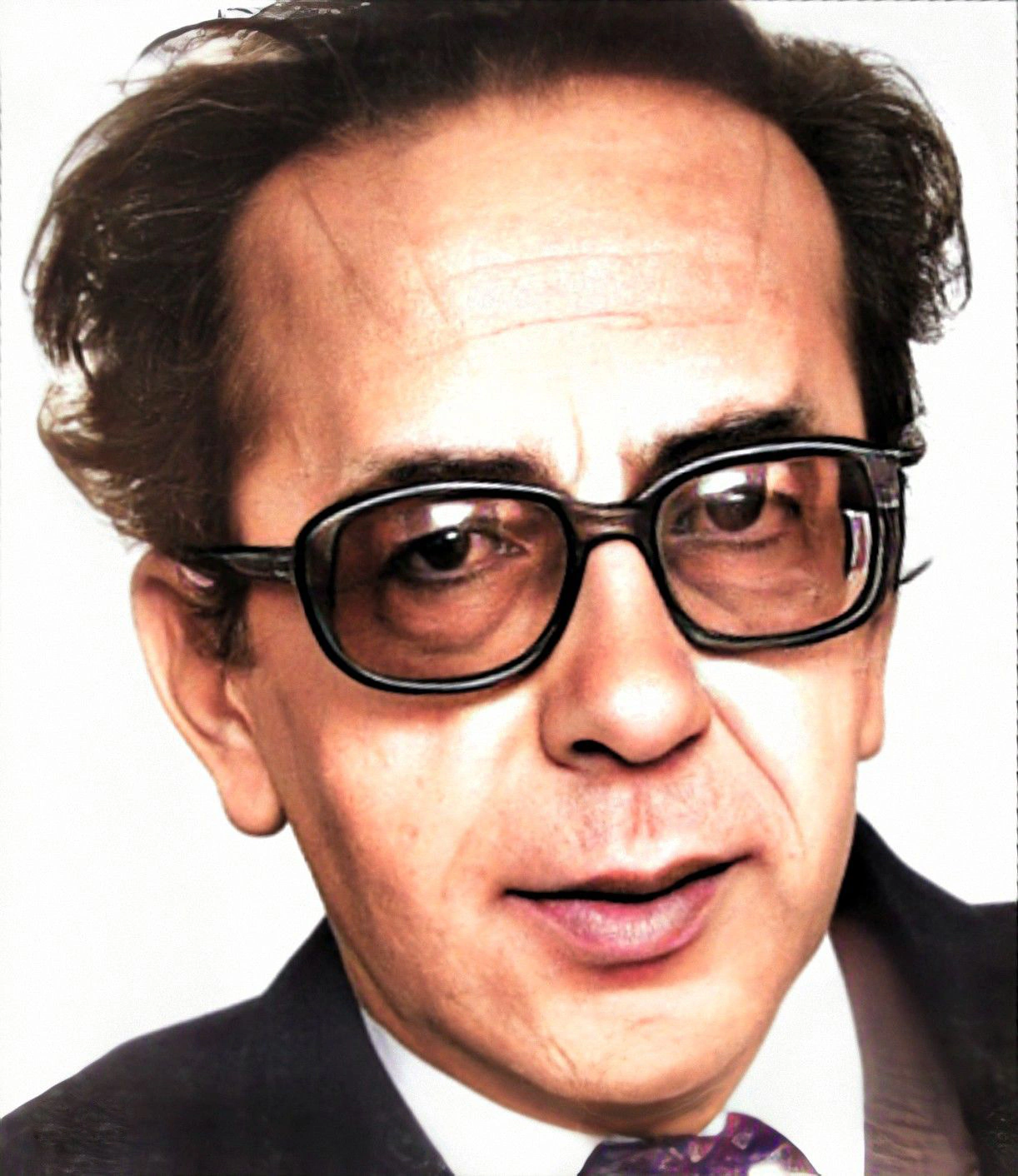
Attr: Albanian State Archive
| 9 Quotes | |
| Occup. | Novelist |
| From | Albania |
| Born | January 28, 1936 Gjirokastër, Albania |
| Age | 90 years |
| Cite | |
Citation Formats
APA Style (7th ed.)
Ismail kadare biography, facts and quotes. (2026, February 11). FixQuotes. https://fixquotes.com/authors/ismail-kadare/
Chicago Style
"Ismail Kadare biography, facts and quotes." FixQuotes. February 11, 2026. https://fixquotes.com/authors/ismail-kadare/.
MLA Style (9th ed.)
"Ismail Kadare biography, facts and quotes." FixQuotes, 11 Feb. 2026, https://fixquotes.com/authors/ismail-kadare/. Accessed 5 Mar. 2026.
Early Life and Background
Ismail Kadare was born on January 28, 1936, in Gjirokaster, a steep-stoned Ottoman-era town in southern Albania whose fortified houses, clan codes, and remembered vendettas would become his lifelong imaginative terrain. He grew up as Europe slid from the aftershocks of World War II into the ideological frost of the Cold War, and Albania, after the Italian and German occupations, fell under Enver Hoxha's communist regime - a state that fused isolationism, Stalinist control, and a punitive suspicion of inner life.Kadare's childhood and adolescence were formed by a double pressure: the intimate theater of a provincial city where history felt carved into doorways, and the omnipresent machinery of a one-party state that policed language, memory, and desire. The result was an early habit of reading the present as allegory - a way of surviving spiritually when direct speech could be dangerous - and a fascination with how fear travels through families, gossip, and official slogans.
Education and Formative Influences
He studied in Tirana and later at the Gorky Institute of World Literature in Moscow in the late 1950s, a brief opening before Albania broke with the Soviet Union. The encounter with Russian letters and socialist-realist orthodoxy sharpened his sense of what the state demanded from art - and what art could smuggle past the state. Returning to Albania, he worked as a journalist and editor, learning how public narratives are manufactured while privately developing a prose capable of carrying myth, history, and political critique under the surface of story.Career, Major Works, and Turning Points
Kadare emerged first as a poet, then decisively as a novelist with "The General of the Dead Army" (1963), an unillusioned postwar odyssey that made his name beyond Albania and established his signature method: political reality refracted through moral fable. Over the following decades he produced an interlinked body of fiction and essays that mapped Albanian experience onto wider questions of power and fate, including "Chronicle in Stone" (1971), "The Castle" (1970), "The Three-Arched Bridge" (1978), "Broken April" (1978), and "The Palace of Dreams" (1981). He lived and published under Hoxha-era censorship, sometimes navigating it, sometimes provoking it, and always writing as if the regime were both a subject and a pressure applied to every sentence. In 1990, as communism crumbled, he left for France, seeking the conditions in which his work could speak without coded self-protection, and he continued to write and publish from Paris while his international reputation consolidated through translation and major literary prizes.Philosophy, Style, and Themes
Kadare's inner world is dominated by the tension between private conscience and collective coercion. His novels return obsessively to the way states - empires, kingdoms, parties - colonize imagination, turning citizens into informants against themselves. He often frames tyranny not as a single villain but as an atmosphere: rumor, bureaucracy, files, and rituals that make people complicit. In this sense his work is psychological realism disguised as mythic narrative, attentive to how dread becomes ordinary and how obedience can masquerade as tradition.Stylistically, he writes with the cool clarity of a chronicler and the lateral cunning of a satirist, using parable, historical transposition, and dream logic to expose the mechanics of repression. His belief that “Language is not only the key to a culture, but also the mirror in which it can be seen”. is not decorative - it explains his precision about names, oaths, and bureaucratic euphemisms, because in his universe language is the first territory seized by power. The recurrent nightmare of history - invasion, blood debt, ideological purges - is rendered as an inheritance that feels biological, as if nations pass trauma like eye color, and his stark admission, “History is the nightmare from which I am trying to awake”. captures the recurring plot of his fiction: a mind trying to wake up inside a system designed to keep it asleep. Yet his answer is not withdrawal but craft, grounded in the conviction that “Literature is the best way to understand the soul of a nation”. - a credo that turns Albanian particularity into a lens on universal fear, honor, and survival.
Legacy and Influence
Kadare became the central modern writer of Albania and one of Europe's defining novelists of life under totalitarianism, influencing how small nations can speak in world literature without surrendering their local grain. His work expanded the repertoire of political fiction by showing how allegory, folklore, and historical recursion can tell truths that direct testimony cannot, especially in censored societies. Through decades of translation, debate about his stance under the dictatorship, and sustained critical attention, he endures as a writer who made national memory artistically legible and insisted that the struggle for freedom begins with the struggle over narrative.Our collection contains 9 quotes written by Ismail, under the main topics: Wisdom - Truth - Writing - Freedom - Deep.
Other people related to Ismail: Walter Salles (Director)
Ismail Kadare Famous Works
- 1992 The Pyramid (Novel)
- 1981 The Palace of Dreams (Novel)
- 1980 Broken April (Novel)
- 1971 Chronicle in Stone (Novel)
- 1963 The General of the Dead Army (Novel)
Source / external links