
J. D. Vance Biography Quotes 8 Report mistakes
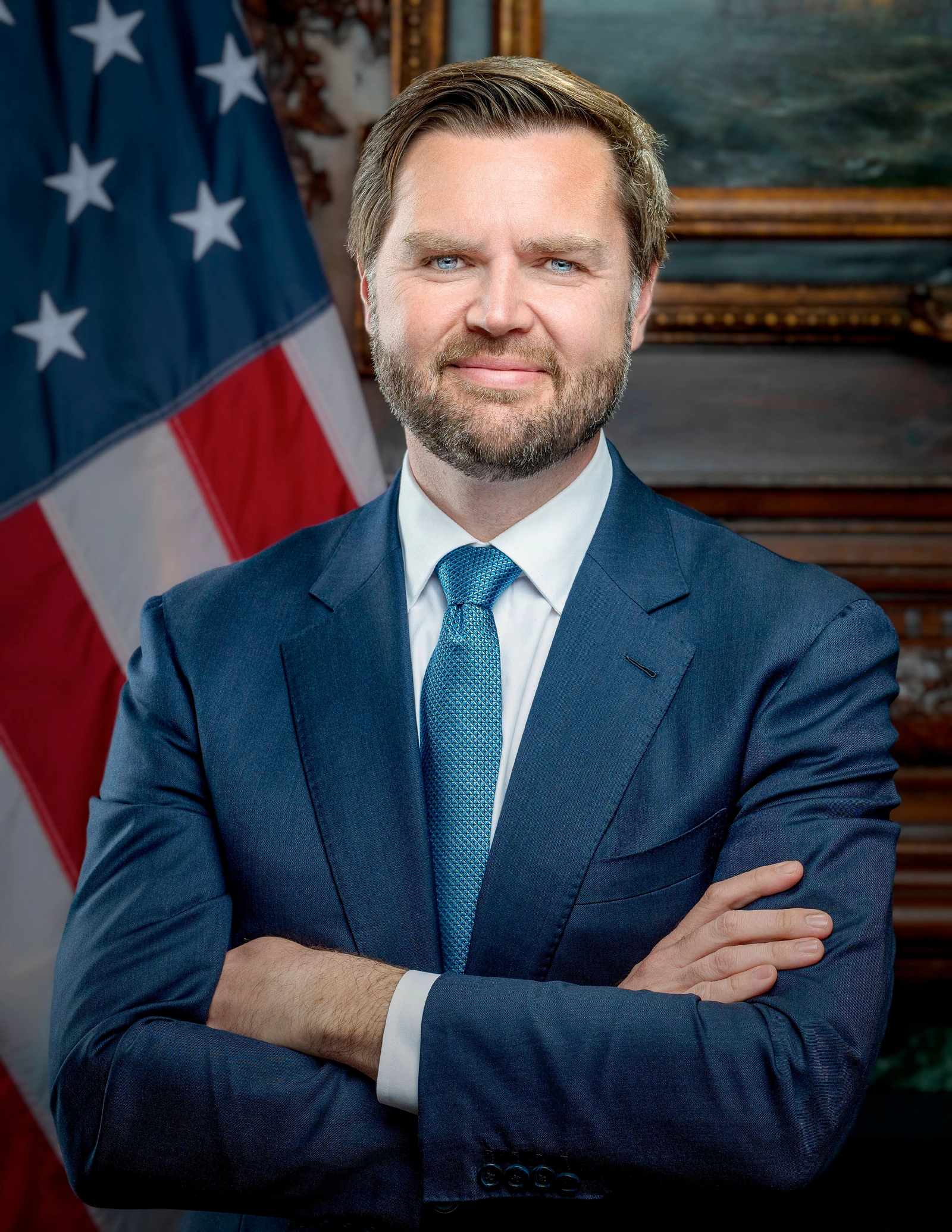
Attr: Daniel Torok
| 8 Quotes | |
| Born as | James Donald Bowman |
| Known as | J. D. Vance, JD Vance |
| Occup. | Politician |
| From | USA |
| Spouse | Usha Vance |
| Born | August 2, 1984 Middletown, Ohio, USA |
| Age | 41 years |
| Cite | |
Citation Formats
APA Style (7th ed.)
J. d. vance biography, facts and quotes. (2026, February 11). FixQuotes. https://fixquotes.com/authors/j-d-vance/
Chicago Style
"J. D. Vance biography, facts and quotes." FixQuotes. February 11, 2026. https://fixquotes.com/authors/j-d-vance/.
MLA Style (9th ed.)
"J. D. Vance biography, facts and quotes." FixQuotes, 11 Feb. 2026, https://fixquotes.com/authors/j-d-vance/. Accessed 6 Mar. 2026.
Early Life and Background
J. D. Vance was born James Donald Bowman on August 2, 1984, in Middletown, Ohio, a manufacturing town shaped by mid-century prosperity and late-century industrial decline. His family story stretched south into Appalachia - the Scots-Irish, Kentucky-rooted world whose codes of loyalty, pride, and suspicion of institutions traveled with migrants into Rust Belt neighborhoods. That inheritance gave him both a powerful sense of belonging and an early education in volatility: jobs that came and went, money that never quite stayed, and the constant pressure to be tough enough to survive.His childhood was defined less by a single home than by a cycle of instability. A mother struggling with addiction, shifting relationships, and the emotional weather of a household always on edge forced him into adult vigilance early. The stabilizing force was his maternal grandparents, especially his grandmother, "Mamaw", whose fierce protectiveness and blunt moral expectations supplied the order his immediate environment lacked. In later retellings, Vance returned to this contrast - chaos and structure, love and damage - as the emotional engine behind his public arguments about family, class, and responsibility.
Education and Formative Influences
Vance enlisted in the U.S. Marine Corps after high school and served in Iraq as a public affairs Marine, an experience that gave him discipline, distance from home, and the first clear proof that a person could be remade by institutions that demanded standards. Using the GI Bill, he earned a degree at Ohio State University and then attended Yale Law School, where he encountered elite networks and professional norms that both opened doors and sharpened his sense of cultural dislocation. At Yale he studied under, among others, professor Amy Chua, who encouraged him to write - an invitation that became a hinge between private memory and public narrative.Career, Major Works, and Turning Points
Vance rose to national attention with his 2016 memoir Hillbilly Elegy: A Memoir of a Family and Culture in Crisis, which framed his life as a case study in the social unraveling of white working-class America and became a touchstone during the Trump era debates over class, culture, and resentment. He worked in venture capital and technology investing, including roles connected to Silicon Valley networks, before turning fully toward politics. In 2022 he won election to the U.S. Senate from Ohio, repositioning himself as a populist conservative focused on deindustrialization, immigration, and skepticism toward bipartisan foreign-policy orthodoxies. His political trajectory - from memoirist translating a subculture to senator advocating for it - marked the shift from interpretation to power.Philosophy, Style, and Themes
Vance writes and speaks as an insider-outsider: emotionally native to a working-class moral universe, intellectually fluent in elite institutions that often misunderstand it. The core drama in his work is the struggle to name what hurts without dissolving agency - to describe structural decline while insisting on the dignity of choice. That balancing act is also psychological. His public persona repeatedly circles the childhood lesson that survival requires both honesty and grit, a sensibility captured in his insistence that “I realized that, even in the worst of times, there was always a way forward. You just had to find it”. The sentence is less inspiration than self-diagnosis: he narrates progress as a practiced skill learned under pressure.A second throughline is origin as explanation. For Vance, biography is not decoration but argument - a claim that culture is fate-like unless consciously confronted. “The best way to understand yourself is to understand where you come from”. That belief drives his attention to family breakdown, intergenerational trauma, and the informal rules of honor and suspicion that govern communities with little trust in formal power. Yet he also advances a moral critique of passivity, warning that material scarcity is compounded by despair: “The tragedy of the poor is that they don't have enough money. The tragedy of the working class is that they don't have enough hope”. In his rhetoric, hope is not merely emotion - it is civic infrastructure, the precondition for work, marriage, and long-term planning.
Legacy and Influence
Vance remains a defining interpreter of the post-industrial Midwest and Appalachian diaspora, not because his account is uncontested, but because it forced elite media, policy circles, and political parties to argue about family, culture, and dignity in the same breath as wages and trade. Hillbilly Elegy helped popularize a vocabulary for discussing working-class alienation, while his Senate career tests whether that diagnosis can be translated into durable policy. His influence lies in bridging memoir and movement - turning a personal story of instability and upward mobility into a political identity centered on cultural grievance, institutional distrust, and the promise that communities left behind can be made central again.Our collection contains 8 quotes written by D. Vance, under the main topics: Hope - Kindness - Resilience - Honesty & Integrity - Tough Times.
Source / external links