
J. Paul Getty Biography Quotes 18 Report mistakes
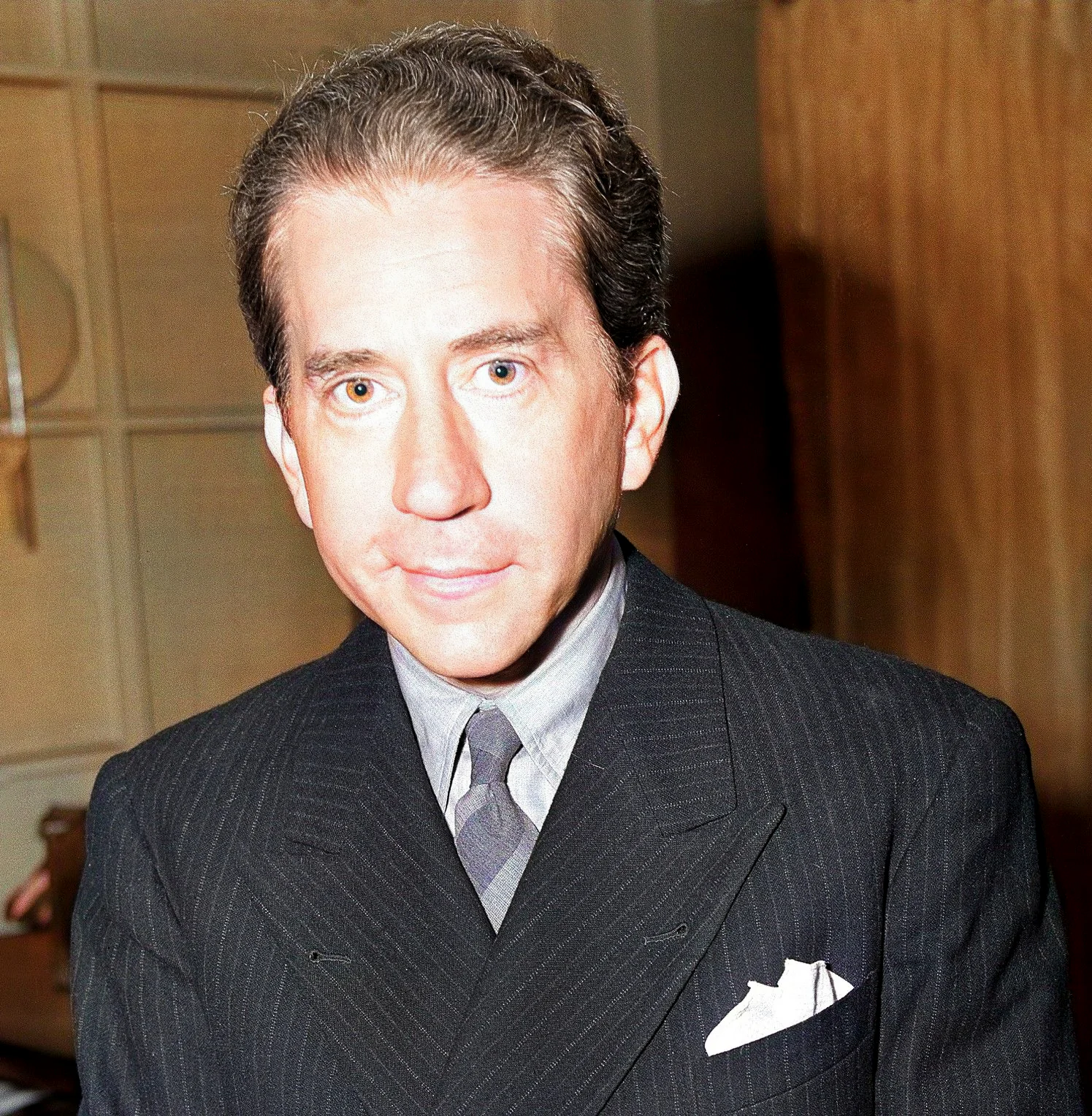
| 18 Quotes | |
| Born as | Jean Paul Getty |
| Known as | Jean Paul Getty Sr. |
| Occup. | Businessman |
| From | USA |
| Born | December 15, 1892 Minneapolis, Minnesota, USA |
| Died | June 6, 1976 Woking, Surrey, England |
| Aged | 83 years |
| Cite | |
Citation Formats
APA Style (7th ed.)
J. paul getty biography, facts and quotes. (2026, February 11). FixQuotes. https://fixquotes.com/authors/j-paul-getty/
Chicago Style
"J. Paul Getty biography, facts and quotes." FixQuotes. February 11, 2026. https://fixquotes.com/authors/j-paul-getty/.
MLA Style (9th ed.)
"J. Paul Getty biography, facts and quotes." FixQuotes, 11 Feb. 2026, https://fixquotes.com/authors/j-paul-getty/. Accessed 26 Mar. 2026.
Early Life and Background
Jean Paul Getty was born on December 15, 1892, in Minneapolis, Minnesota, into a family already testing the possibilities of the new oil age. His father, George Franklin Getty, a lawyer turned wildcatter, moved the family through the Midwest before settling largely in Los Angeles as Southern California oil booms began to redraw fortunes and skylines. The boy grew up watching gushers and dry holes create and destroy reputations overnight, a drama that made risk feel ordinary and money feel provisional.Gettys childhood mixed privilege with restlessness. He developed an early taste for books, travel, and collecting, but also a suspicion that comfort softened the mind. The household carried a puritan streak about work and self-command even as it enjoyed new wealth, and that tension - enjoyment versus discipline - became a lifelong theme. By adolescence he was absorbing both the romance of enterprise and the loneliness it can require.
Education and Formative Influences
Getty studied at the University of Southern California and later at the University of California, Berkeley, then spent time at Oxford, where he encountered an older world of class, connoisseurship, and historical continuity that never stopped pulling at him. Those years widened his ambitions beyond drilling into a broader idea of mastery - not only of markets, but of culture - and they sharpened a competitive temperament: he wanted to win in the rough American present while surrounding himself with the artifacts of the European past.Career, Major Works, and Turning Points
He entered the oil business in the 1910s, leasing and drilling in Oklahoma and quickly showing a traders instinct for timing and a negotiators appetite for leverage. After early success he briefly stepped back, then returned to build what became Getty Oil into a major international force, expanding through the interwar years and the post-1945 energy boom. His signature coup came in 1949-1953, when he gambled on a long-term concession in the Saudi-Kuwaiti Neutral Zone, spending heavily on exploration that many considered reckless until massive production proved the bet decisive. By the 1950s he was widely described as the worlds richest private citizen, operating from an unusual base: Sutton Place, a Tudor estate in England, where he managed far-flung holdings by phone and cable while cultivating the image of a remote, exacting patriarch.Philosophy, Style, and Themes
Gettys philosophy was built around asymmetry - seeking situations where fear, distress, or scale changed the rules in his favor. He prized contrarian nerve and treated panic as information: “I buy when other people are selling”. That was not mere slogan but method, visible in his willingness to commit capital when conventional wisdom demanded retreat, and in his preference for assets - reserves, concessions, pipelines - that could outlast fashions. He also understood power in the language of obligations. “If you owe the bank $100 that's your problem. If you owe the bank $100 million, that's the bank's problem”. The line captures a psyche that sought insulation through size, turning vulnerability into bargaining strength by making counterparts share the risk of his failure.Yet Getty was never simply a cold accumulator. He believed wealth had to circulate to remain productive, even if he remained personally frugal and famously controlling. “Money is like manure. You have to spread it around or it smells”. In him, that impulse expressed itself less as casual generosity than as institutional building - acquisitions, endowments, and the transformation of private taste into public legacy. His inner life combined austerity with craving: he wanted order, privacy, and command, but also beauty, recognition, and a kind of permanence that money alone could not provide. The paradox shaped his relationships - multiple marriages, distant parenting, and a habit of testing loyalty - and it also shaped his collecting, where mastery over objects stood in for mastery over the instability that had created his fortune.
Legacy and Influence
Getty died on June 6, 1976, leaving a fortune and a cautionary template for modern capitalism: global reach, hard bargaining, and the use of scale as strategy. His most durable public monument emerged from his collecting and philanthropy - the J. Paul Getty Museum and the Getty Trust in Los Angeles, which became a major force in art scholarship, conservation, and cultural access. His life also cast a long shadow through family turmoil, most notoriously the 1973 kidnapping of his grandson John Paul Getty III, which fixed the popular image of Getty as both titan and miser. In the larger history of the 20th century, he stands as an emblem of the oil era itself - a man who turned subterranean geology into geopolitical influence, and who spent the proceeds trying to purchase, in art and institutions, a steadier form of immortality.Our collection contains 18 quotes written by Paul Getty, under the main topics: Witty One-Liners - Book - Success - Embrace Change - Marriage.
Other people related to Paul Getty: Paul Getty (Businessman), Gordon Getty (Businessman)
J. Paul Getty Famous Works
- 1969 How to Be a Successful Executive (Book)
- 1965 How to Be Rich (Book)
- 1965 The Joys of Collecting (Book)
- 1963 My Life and Fortunes (Autobiography)
- 1959 The History of the Oil Industry (Book)
Source / external links