
Jacqueline Cochran Biography Quotes 5 Report mistakes
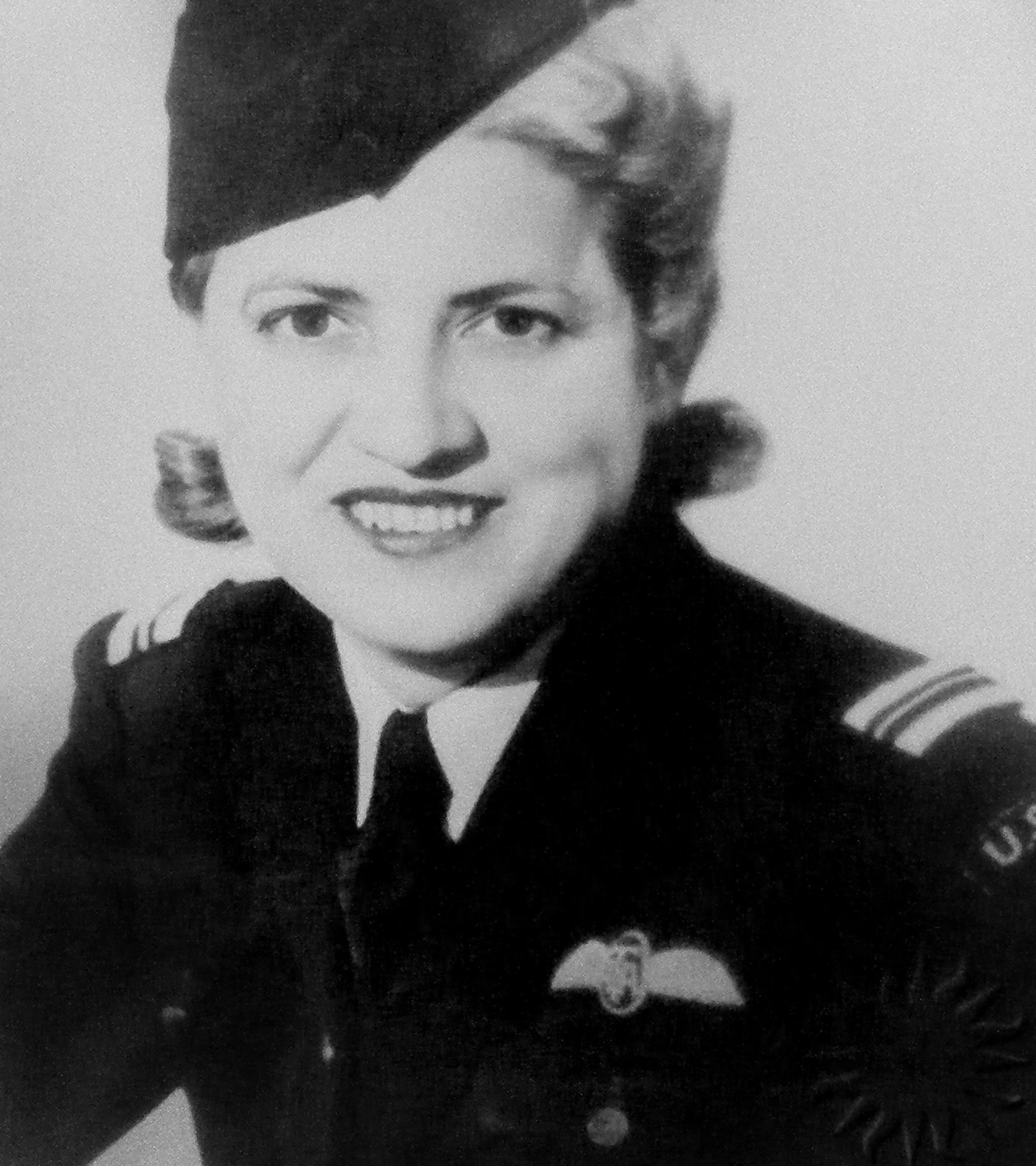
| 5 Quotes | |
| Occup. | Aviator |
| From | USA |
| Born | May 11, 1906 Muscogee, Florida |
| Died | August 7, 1980 Indio, California |
| Aged | 74 years |
| Cite | |
Citation Formats
APA Style (7th ed.)
Jacqueline cochran biography, facts and quotes. (2026, February 11). FixQuotes. https://fixquotes.com/authors/jacqueline-cochran/
Chicago Style
"Jacqueline Cochran biography, facts and quotes." FixQuotes. February 11, 2026. https://fixquotes.com/authors/jacqueline-cochran/.
MLA Style (9th ed.)
"Jacqueline Cochran biography, facts and quotes." FixQuotes, 11 Feb. 2026, https://fixquotes.com/authors/jacqueline-cochran/. Accessed 29 Mar. 2026.
Early Life and Background
Jacqueline Cochran was born Bessie Lee Pittman on May 11, 1906, in the Florida panhandle (often associated with DeFuniak Springs and nearby rural communities), the child of a poor mill worker family whose frequent moves left few stable records but a durable imprint of scarcity. She later refashioned her identity with the name "Jacqueline Cochran", a self-created persona suited to the aspirational, hard-edged modernity of interwar America, where reinvention was both myth and survival strategy.As a girl she worked early, learning the disciplines of wage labor and self-presentation that would later serve her in salons, boardrooms, and hangars alike. The psychological throughline in her life began here: an intolerance for limitation, a hunger to control narrative, and an instinct to convert vulnerability into performance. The Depression-era United States rewarded boldness but punished women who claimed public authority; Cochran met that contradiction by becoming simultaneously polished and relentless, a celebrity who spoke the language of speed, technology, and national service.
Education and Formative Influences
Cochran had little formal schooling by conventional measures, but she pursued a rigorous self-education through work in the beauty industry, where she mastered salesmanship, chemistry, and the arts of networking and branding. In the early 1930s she moved through New York's cosmetics world, and a decisive influence came from millionaire financier Floyd Bostwick Odlum, whom she married in 1942; his resources and connections did not create her ambition, but they amplified her reach. A single flight lesson in 1932 became her catalytic education - she treated aviation like a technical craft to be conquered through repetition, instrumentation, and competitive pressure.Career, Major Works, and Turning Points
Cochran vaulted from novice to national figure with startling speed: she won the Bendix Trophy air race in 1938, becoming the first woman to do so, and amassed records for speed, distance, and altitude while building her cosmetics company, "Wings", into a symbol of glamour aligned with aviation. World War II was her defining turning point: she pushed for women pilots to be organized for ferrying and support duties and became the driving force behind the Women Airforce Service Pilots (WASP), serving as director of women pilots in the Army Air Forces. She trained and deployed women to move aircraft, test new machines, and relieve male pilots for combat - consequential work that carried risk without the full legal recognition of military status at the time. After the war she remained a central node in the new military-industrial aviation culture, flying jets and continuing to set records; in 1953 she became the first woman to break the sound barrier, in a Canadair F-86 Sabre, under the auspices of the U.S. Air Force. Her career mixed competitive flying, patriotic service, and sophisticated political advocacy, often conducted at high altitude and high society simultaneously.Philosophy, Style, and Themes
Cochran's inner life reads as a continual wager against erasure. She believed risk was not a phase but an ethical stance, a way to claim space in systems designed to deny it: “To live without risk for me would be tantamount to death”. That sentence was not bravado so much as self-diagnosis - she needed motion, danger, and measurable performance to stabilize an identity built from uncertain origins and perpetual scrutiny. Her style combined meticulous preparation with showmanship: she cultivated an image of controlled daring, the kind that reassured generals and sponsors even as it unsettled gender expectations.Another central theme was self-invention as a moral project. “I might have been born in a hovel but I am determined to travel with the wind and the stars”. In Cochran, upward mobility was not only social - it was aerodynamic, a literal ascent that turned poverty into propulsion. Yet her drive was also managerial and institutional, visible in her insistence that talent must be organized and utilized, not merely admired. When she argued that “Capacity never lacks opportunity. It cannot remain undiscovered because it is sought by too many anxious to use it”. , she revealed both her faith in merit and her impatience with sentiment. The psychology behind it is double-edged: a conviction that excellence forces the world to yield, and a hard-earned skepticism toward excuses in a profession where failure could be fatal.
Legacy and Influence
Cochran died on August 7, 1980, in California, leaving behind an outsized legacy in American aviation and in the story of women in wartime service. She is remembered for a record-setting career and for pushing open military and technological frontiers at a moment when flight symbolized national modernity - the arc from propeller racing to supersonic jets. Her work with the WASP helped normalize the idea that women could master complex aircraft and operational responsibility, even if official recognition lagged for decades. In biographies and debates about ambition, her life endures as a case study in engineered destiny: a woman who treated speed, discipline, and public narrative as instruments, and who made the sky not an escape but a jurisdiction.Our collection contains 5 quotes written by Jacqueline, under the main topics: Motivational - Life - Faith - Adventure.
Source / external links